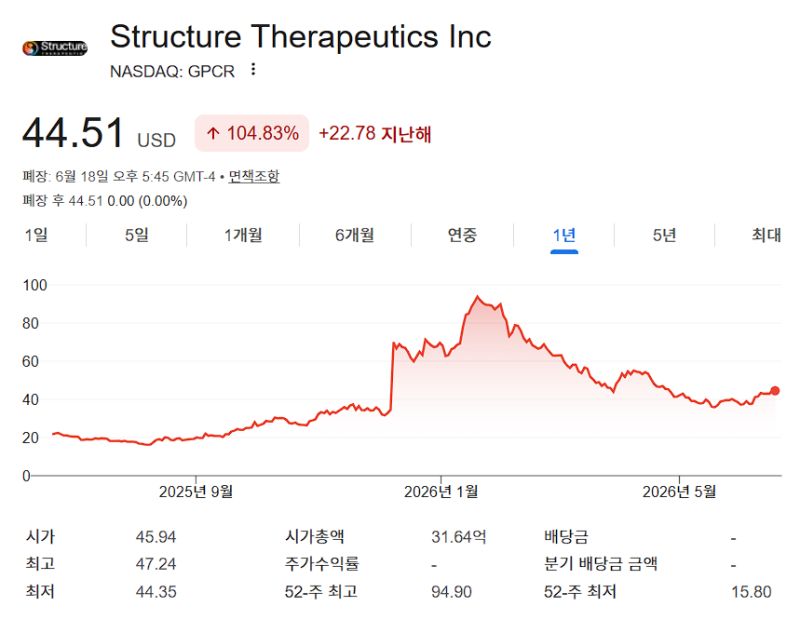
Structure Therapeutics recently reported Phase 2 clinical trial results for GSBR-1290, also known as aleniglifron, demonstrating a weight loss efficacy of up to 6.2% in patients with obesity or overweight over 12 weeks, according to data disclosed by the company. As an oral, small-molecule GLP-1 receptor agonist, the drug represents a shift in therapeutic delivery for metabolic conditions, aiming to challenge the dominance of injectable therapies in the weight management market. The company, headquartered in South San Francisco, continues to advance its pipeline through mid-stage development, with a focus on addressing the limitations of current peptide-based treatments.
The development of oral small-molecule GLP-1 receptor agonists like aleniglifron is part of a broader industry effort to improve patient adherence and accessibility for chronic weight management. Unlike injectable biologics, which require cold-chain storage and subcutaneous administration, small-molecule drugs are synthesized chemically and can be formulated as tablets. This structural difference, as detailed in Structure Therapeutics’ official press release, is intended to provide a more convenient alternative for patients while maintaining receptor-binding potency.
Clinical Efficacy and Safety Profile
In the Phase 2 study of GSBR-1290, investigators observed a dose-dependent reduction in body weight among participants. According to the company’s Form 8-K filing with the U.S. Securities and Exchange Commission, the drug was evaluated for its safety and tolerability, with gastrointestinal side effects reported as the most common adverse events. These findings align with the known side-effect profile of the GLP-1 receptor agonist class, which typically includes nausea and vomiting.
The company reported that the discontinuation rate due to adverse events was low during the treatment period. By utilizing a small-molecule approach, Structure Therapeutics aims to leverage the G-protein coupled receptor (GPCR) targeting technology to achieve therapeutic outcomes comparable to established injectable therapies. The current data set, while localized to the 12-week Phase 2 study, provides the basis for ongoing discussions regarding larger, longer-term Phase 2b and Phase 3 clinical trials.
The Role of GPCRs in Metabolic Innovation
GPCRs represent the largest family of cell surface receptors and are the target of approximately one-third of all FDA-approved drugs. Structure Therapeutics focuses on applying advanced structural biology—specifically protein crystallography—to design small molecules that can modulate these complex receptors. The goal is to overcome the inherent “undruggability” of certain GPCRs that have historically resisted small-molecule intervention.

This approach differs from traditional drug discovery, which often relies on high-throughput screening of massive chemical libraries. By visualizing the receptor’s structure at an atomic level, the research team at Structure Therapeutics seeks to optimize the fit of their compounds, potentially reducing off-target effects and increasing oral bioavailability. This focus on “structure-based drug design” is a significant pillar of their research strategy, as noted in their corporate presentation regarding their metabolic pipeline.
Comparison with Current Market Standards
The weight management market is currently defined by injectable GLP-1 and GLP-1/GIP receptor agonists, such as semaglutide and tirzepatide. These drugs have demonstrated significant weight loss, often exceeding 15% in clinical trials, but their reliance on injection devices creates barriers for some patients. Oral alternatives, such as the once-daily version of semaglutide, are already in use for type 2 diabetes, but the challenge remains to achieve similar weight-loss efficacy in a pill form that is cost-effective to manufacture.
Aleniglifron is being positioned as a potential solution to these logistics challenges. While the current 12-week data set shows promise, industry analysts emphasize that long-term durability and safety data remain the critical benchmarks for regulatory approval. Regulatory bodies, including the U.S. Food and Drug Administration (FDA) and the European Medicines Agency (EMA), require extensive long-term cardiovascular outcomes data for weight-loss medications to ensure that weight reduction translates into improved patient health outcomes.
Future Development Milestones
Structure Therapeutics has indicated that its next steps involve refining the dosing regimen and initiating larger, placebo-controlled trials to confirm the efficacy signals observed in Phase 2. The company’s investor relations portal serves as the primary repository for updates on trial enrollment, study design, and future data readouts. Investors and the medical community are monitoring the company’s progress as it moves closer to a potential Phase 3 program.

The path forward for aleniglifron is contingent upon continued positive results in upcoming clinical milestones. As the company prepares for these subsequent phases, the integration of patient feedback and long-term safety monitoring will be essential. Readers interested in the latest developments are encouraged to review official company filings and clinical trial registries for updates on upcoming study timelines.
This report is for informational purposes and does not constitute medical advice. Please consult with a healthcare professional regarding any metabolic or weight-related treatment options. We welcome your thoughts on the evolution of oral GLP-1 therapies in the comments section below.
Keep reading