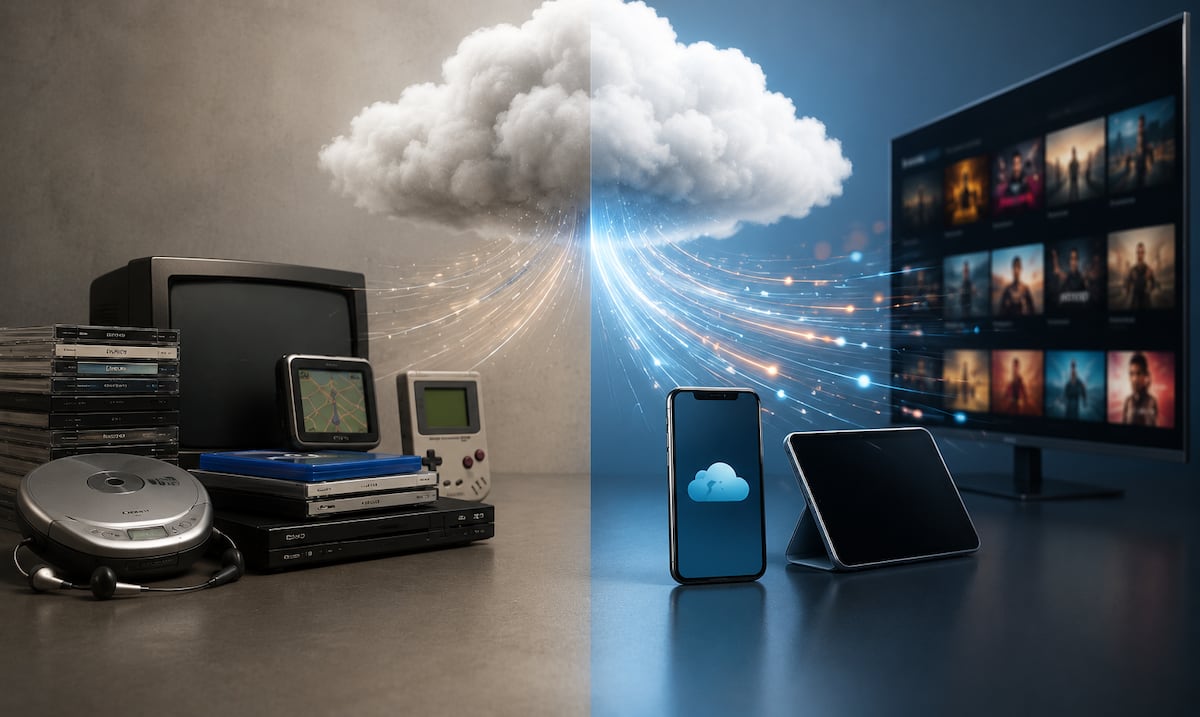
The next evolution in consumer technology is shifting away from screen-centric interactions toward ambient computing and multimodal artificial intelligence, fundamentally altering how users engage with their devices. While current AI models primarily function through text or voice prompts on smartphones and laptops, industry leaders are pivoting toward hardware that integrates directly into the user’s environment and physical movements. According to industry analysis from Gartner, the transition toward specialized, AI-native hardware is expected to accelerate as companies prioritize edge computing to reduce latency and enhance user privacy.
This shift represents a departure from the “app-based” ecosystem that has dominated the tech industry since the launch of the modern smartphone. Instead of users opening specific applications to perform tasks, future devices are being designed to anticipate user needs through context-aware sensors and real-time data processing. As noted by the MIT Technology Review, ambient computing aims to make technology “disappear” into the background of daily life, allowing for fluid interactions without the friction of traditional user interfaces.
The Decline of the Screen-First Interface
For over a decade, the smartphone screen has served as the primary gateway for digital interaction. However, the rise of large language models (LLMs) and computer vision is enabling a new generation of hardware that does not rely on a graphical user interface (GUI). Companies are increasingly experimenting with wearable devices, such as smart glasses and lapel-worn sensors, which utilize natural language processing to assist users in real-time.
The shift is driven by the limitations of mobile devices, which often require users to stop their physical activities to engage with a screen. By moving toward voice-first or gesture-based inputs, manufacturers are attempting to create a more immersive experience. The International Data Corporation (IDC) reported that global shipments for wearable devices have continued to grow, signaling a consumer appetite for hardware that complements, rather than replaces, human focus.
Why Edge AI Matters for Future Hardware
A critical component of this transition is the move toward “Edge AI,” where data is processed directly on the device rather than in a centralized cloud server. This change is not merely technical; it is a response to growing consumer concerns regarding data privacy and the need for near-instantaneous response times. Processing data locally allows devices to function without an active internet connection and minimizes the exposure of sensitive personal information.
According to a recent report by Forbes Technology Council, the integration of dedicated neural processing units (NPUs) into consumer chips is a primary catalyst for this shift. By embedding high-performance silicon into everyday objects—from home appliances to wearable tech—manufacturers are enabling complex machine learning tasks to run locally, significantly reducing the energy consumption compared to cloud-based alternatives.
Challenges in Human-Computer Interaction
Despite the promise of ambient computing, the transition faces significant design and societal hurdles. Moving away from visual feedback creates new challenges regarding trust and accuracy. When a device operates autonomously based on ambient context, users must be able to verify the system’s reasoning and override its decisions. The National Institute of Standards and Technology (NIST) continues to emphasize the importance of AI transparency and human-in-the-loop systems to ensure that future hardware remains accountable and safe for public use.
Furthermore, the physical ergonomics of these new devices remain a point of contention. While early iterations of AI-integrated wearables have faced criticism regarding battery life and heat management, the industry is trending toward more efficient, low-power components. As these technologies mature, the goal for developers is to create hardware that feels intuitive rather than invasive, ensuring that the technology augments human capability without becoming a distraction.
What Happens Next: The Timeline for Integration
The industry is currently in a transition period characterized by experimental hardware launches and rapid software updates. Major manufacturers are expected to release the next generation of AI-integrated consumer electronics throughout the remainder of 2024 and 2025. These devices will likely focus on “multimodal” capabilities, meaning they will be able to process text, audio, image, and spatial data simultaneously.

Regulatory bodies, including the European Commission under the EU AI Act, are already establishing frameworks to govern how these intelligent systems collect and process personal data. As these regulations take effect, companies will be forced to prioritize “privacy-by-design” in their hardware architecture. Consumers should expect to see more transparency labels and granular control settings on upcoming devices that leverage AI for ambient interaction.
Industry observers anticipate that the next major milestone will be the unveiling of standardized protocols for how different AI-native devices communicate with one another. Until then, the market remains fragmented, with various companies testing different form factors. For those following the evolution of this technology, upcoming trade shows and developer conferences—such as the next cycle of CES and major developer summits—will provide the clearest look at how the next generation of ambient computing will be implemented in the consumer market.
How do you envision AI changing your daily device usage in the next few years? Share your thoughts in the comments below.