
Skipping breakfast may disrupt metabolic processes and influence long-term cardiovascular health, according to recent clinical observations regarding meal timing and glucose homeostasis. While individual nutritional needs vary, research published by the American Heart Association suggests that the timing of daily caloric intake plays a significant role in how the body manages insulin sensitivity and blood sugar regulation throughout the day.
As a physician and health journalist, I often encounter questions about whether intermittent fasting or simply skipping the morning meal is beneficial. The consensus among metabolic researchers is that the physiological impact of skipping breakfast is not uniform; it depends heavily on an individual’s existing metabolic health, activity levels, and the overall quality of their diet. For many, consistent meal timing is a foundational element of metabolic stability.
The Relationship Between Meal Timing and Glucose Control
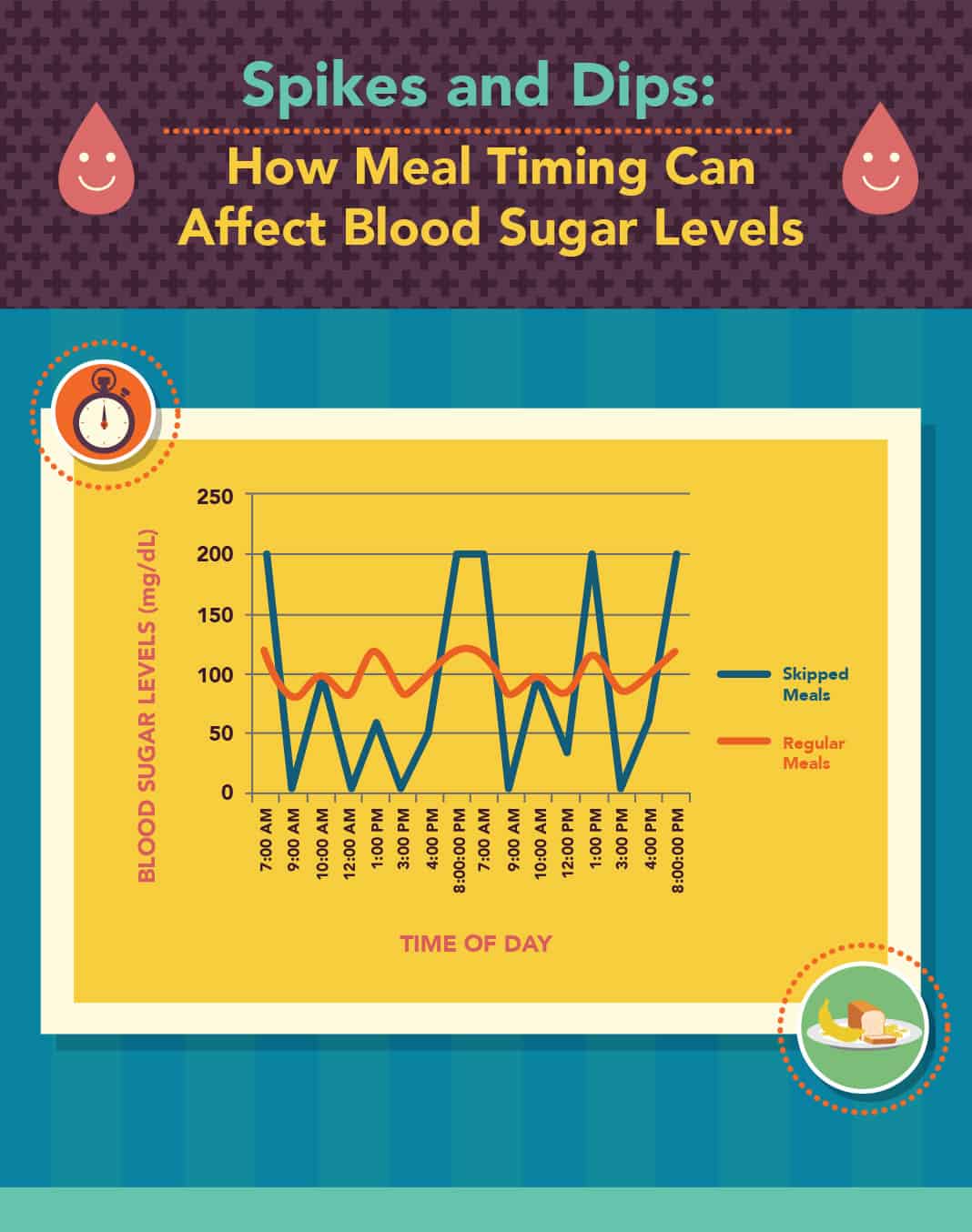
Blood sugar levels are governed by the body’s circadian rhythm, which influences how efficiently insulin works at different times of the day. According to data from the National Institutes of Health, the body is generally more efficient at processing glucose in the morning than in the evening. When individuals skip breakfast, they may experience higher post-prandial glucose spikes—or sharp rises in blood sugar—after their first meal of the day, regardless of what that meal consists of.

This phenomenon occurs because the body’s insulin sensitivity typically decreases as the day progresses. By delaying the first meal, some people inadvertently force their metabolism to handle a larger caloric load during a period when the body is less primed for glucose uptake. For those with pre-existing insulin resistance or Type 2 diabetes, this shift can complicate glycemic management and make it harder to maintain target blood sugar levels.
Cardiovascular Implications of Breakfast Habits
The link between skipping breakfast and heart health is often indirect but statistically significant. Research published in the Journal of the American College of Cardiology indicates that individuals who regularly skip breakfast may have a higher risk of developing atherosclerosis and other cardiovascular issues. This is often attributed to the compensatory behaviors that follow a missed meal, such as overeating later in the day or choosing higher-calorie, nutrient-poor snacks.
Furthermore, regular breakfast consumption is associated with lower levels of systemic inflammation and better cholesterol profiles. When the body is deprived of nutrients for an extended period, it may trigger a stress response, leading to increased cortisol levels. Sustained elevation of cortisol can negatively impact blood pressure and endothelial function—the lining of the blood vessels—which are critical markers for long-term heart health.
Nutrient Quality vs. Timing
It is important to distinguish between the act of skipping breakfast and the content of the meal itself. A breakfast high in refined sugars and processed carbohydrates can be just as detrimental as skipping the meal entirely. According to the Centers for Disease Control and Prevention, prioritizing complex carbohydrates, fiber, and lean protein in the morning helps stabilize blood sugar and reduces the likelihood of mid-morning energy crashes.

The “what” is often as important as the “when.” A balanced breakfast that includes whole grains, healthy fats, and protein provides a steady release of energy. Conversely, a sugar-heavy morning meal can cause an immediate spike in insulin, leading to a subsequent drop in blood sugar that may drive cravings for more sugar later in the day. This cycle of volatility is a known contributor to metabolic syndrome.
Practical Considerations for Daily Health
For most healthy adults, the most effective strategy is to align meal times with their body’s internal clock. If you choose to practice time-restricted eating, it is essential to ensure that the meals you do consume are nutrient-dense. The Dietary Guidelines for Americans emphasize that overall dietary patterns—the consistency of quality nutrition over weeks and months—are more predictive of health outcomes than any single meal habit.
If you find that skipping breakfast leads to fatigue, irritability, or difficulty concentrating, your body may be signaling a need for more consistent fuel. Conversely, if you feel energized and maintain stable blood sugar levels without a morning meal, there is no clinical mandate to force a breakfast habit. The key is monitoring your own metabolic response through consistent energy levels and, if advised by your physician, regular blood glucose monitoring.
As we continue to learn more about the complexities of chrononutrition, future research will likely provide more personalized recommendations. For now, maintaining a balanced diet and regular meal intervals remains a reliable approach for supporting both metabolic and cardiovascular health. Readers are encouraged to discuss any significant changes to their dietary routine with their primary care physician, especially if they are currently managing a chronic condition such as diabetes or hypertension.
We welcome your thoughts on how meal timing has affected your daily energy and health markers. Please feel free to share your experiences or questions in the comments section below, and stay tuned to our health section for further updates on nutritional science and metabolic research.
Keep reading