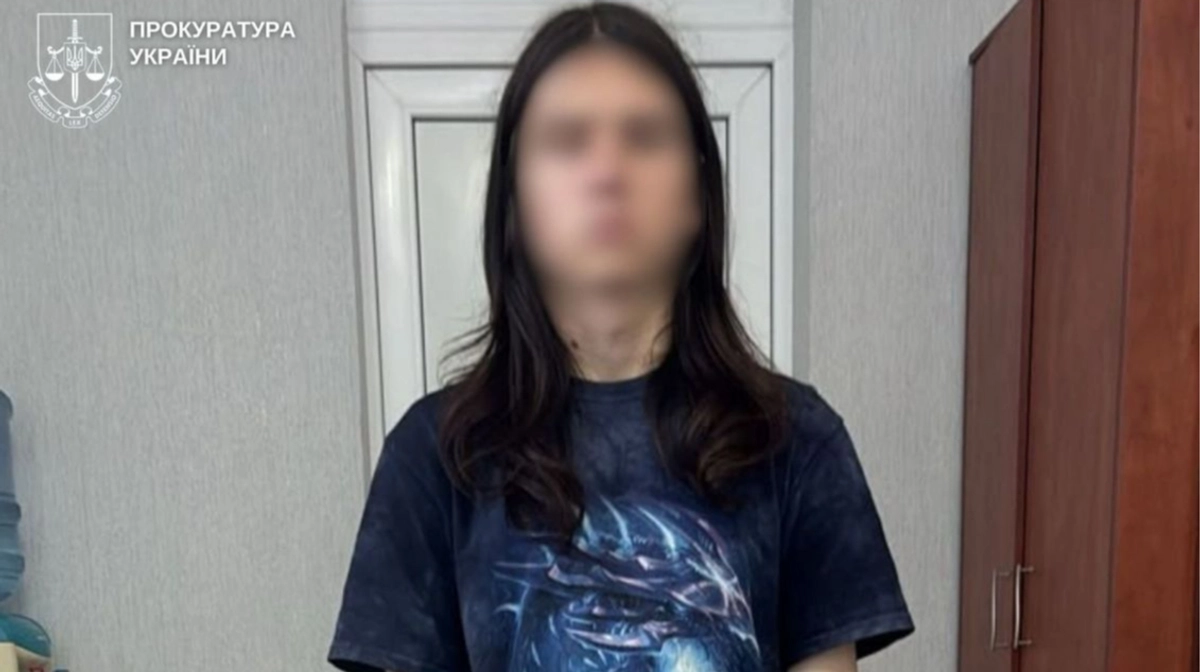
Ukrainian law enforcement authorities have detained a 19-year-old resident of the Poltava region on suspicion of attempting to murder a Ukrainian marine by sending him a poisoned package. According to the Prosecutor General’s Office of Ukraine, the suspect allegedly accepted a payment of 5,000 Ukrainian hryvnias (approximately $120) from Russian intelligence services to carry out the attack, which was disguised as a gift from a woman. The arrest marks a significant escalation in what officials describe as a targeted campaign of sabotage against military personnel.
The incident is part of a broader pattern of activity identified by the Security Service of Ukraine (SBU) and the Prosecutor General’s Office. Authorities have documented at least six instances where individuals were recruited via social media to target Ukrainian soldiers using toxic substances or explosive devices. These operations often involve perpetrators masquerading as acquaintances or romantic interests to lower the victims’ guard before delivering lethal items to their locations.
The Investigation into the Poltava Case
The investigation into the 19-year-old suspect, which is being handled by regional prosecutors and SBU counterintelligence, suggests a calculated effort by foreign operatives to destabilize internal security. Official statements from the Prosecutor General’s Office confirm that the suspect was apprehended after allegedly tracking the location of the marine and arranging the delivery of a package containing a toxic substance. The suspect remains in custody as investigators gather evidence regarding his communications with handlers and the financial trail of the transaction.
Law enforcement officials have highlighted the specific methodology used in this case, noting that the suspect utilized an encrypted messaging application to receive instructions from his handlers. The use of financial incentives, such as the 5,000 UAH payment, is a recurring feature in recent sabotage cases reported by the Prosecutor General’s Office of Ukraine. By targeting individuals with limited resources, recruiters attempt to exploit domestic vulnerabilities to conduct operations that would otherwise be difficult for intelligence agents to execute directly on the ground.
Broader Security Implications for Military Personnel
The recruitment of civilians to commit acts of violence against the Ukrainian Armed Forces has become a primary focus for the SBU. Ivan Vyhivskyi, head of the National Police of Ukraine, has publicly stated that at least six cases involving the poisoning or attempted poisoning of military personnel have been recorded across various regions. These incidents have prompted a heightened state of alert among military units, particularly regarding the acceptance of unsolicited packages or deliveries from unknown sources.
This strategy of “remote warfare” through proxies poses unique challenges for counterintelligence. Because the recruiters often operate from abroad or use anonymized digital infrastructure, identifying the masterminds behind the plots is significantly more difficult than identifying the local recruits. The Security Service of Ukraine continues to urge soldiers and their families to exercise extreme caution when dealing with unexpected gifts or correspondence from individuals they have not met in person.
Legal Consequences and Ongoing Monitoring
The suspect in the Poltava case is currently facing charges that could lead to a lengthy prison sentence if convicted. Under Ukrainian law, acts of high treason or attempted murder committed under the direction of foreign intelligence services are prosecuted with maximum severity. The Verkhovna Rada of Ukraine has previously tightened penalties for collaborationist activities and sabotage to address the increase in such threats since the full-scale invasion began in February 2022.

As the investigation proceeds, legal experts expect the prosecution to focus on the digital records found on the suspect’s devices, which are expected to prove the link between the suspect and foreign handlers. No date for a trial has been set as of this writing, but the suspect remains under court-ordered pre-trial detention. Updates on the status of this criminal proceeding will be provided by the regional prosecutor’s office as the case moves toward a formal indictment.
The public is encouraged to report any suspicious activity to the official SBU hotline. Further developments regarding this investigation are expected to be released through official government channels in the coming weeks. Readers are invited to share their thoughts or follow our ongoing coverage of regional security developments in the comments section below.
Related reading