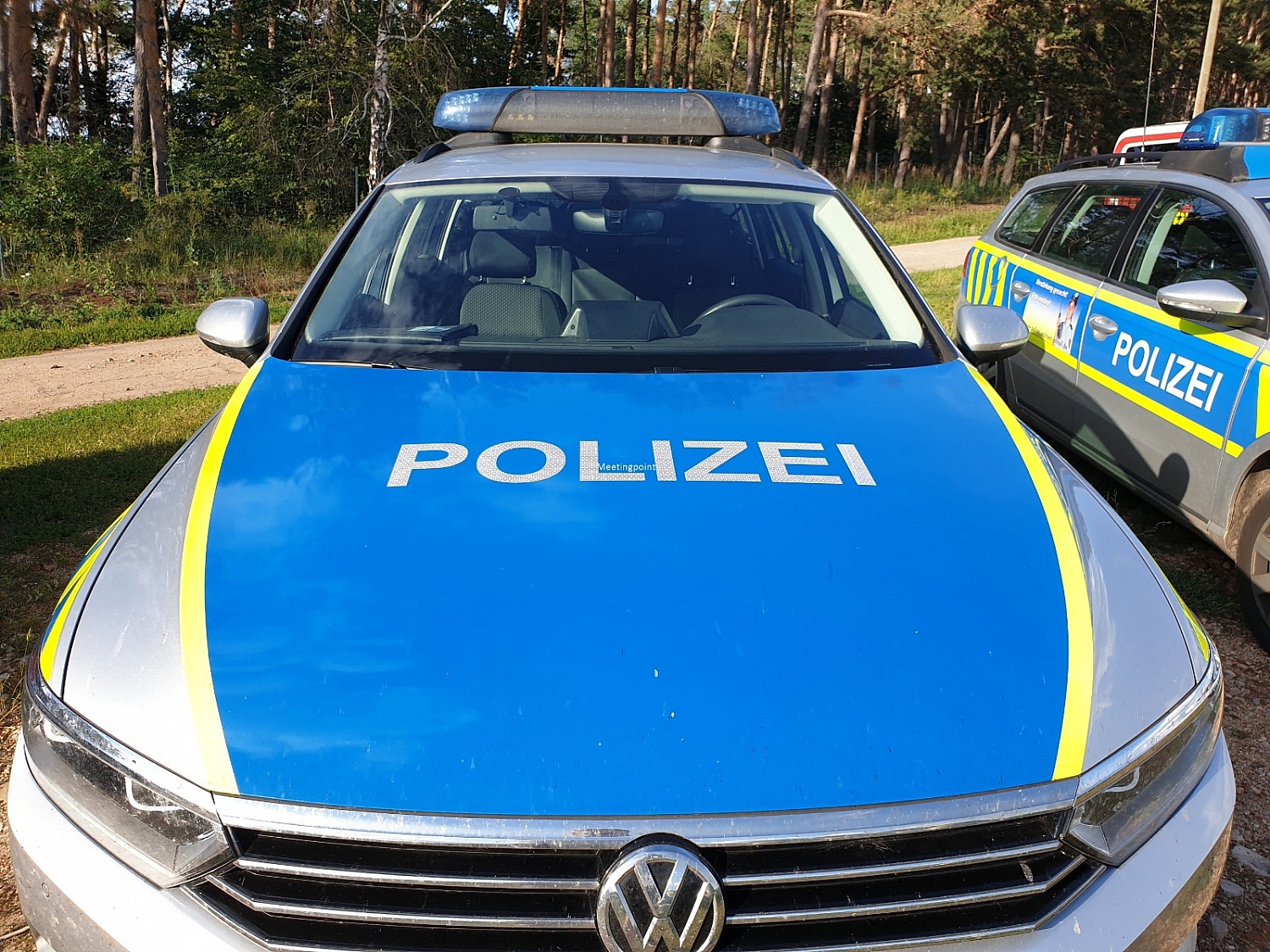
A routine commute has resulted in severe legal complications for a 19-year-old in Gommern, Germany, after local authorities identified that her electric scooter had been subjected to unauthorized technical modifications. The incident serves as a stark reminder of the stringent regulatory framework governing e-scooters on public roads, where even minor alterations can shift a vehicle from a legal mobility device to an unpermitted motor vehicle.
In Germany, the operation of small electric vehicles—known legally as Elektrokleinstfahrzeuge—is strictly regulated under the Ordinance on the Participation of Small Electric Vehicles in Road Traffic (eKFV). For a device to be classified as an e-scooter, it must meet specific technical parameters, including a maximum design speed of 20 kilometers per hour (approximately 12.4 mph). When these limits are bypassed through “tuning,” the vehicle effectively loses its operating permit, leading to significant legal risks for the operator.
The Legal Implications of Unauthorized Tuning
When law enforcement officials in the Jerichower Land district intercepted the 19-year-old, the focus of the investigation quickly shifted to the mechanical integrity of the scooter. Under German law, operating a vehicle that has been modified to exceed its certified speed limit without the necessary insurance and registration documentation is not merely a traffic infraction; it is categorized as a criminal offense.
The primary concern for authorities is the lack of mandatory liability insurance. In Germany, e-scooters must display an insurance sticker (Versicherungskennzeichen) to be operated legally. Once a scooter is modified to perform beyond its factory-set safety specifications, the manufacturer’s warranty is voided, and the mandatory insurance coverage is rendered invalid. The user is considered to be operating an uninsured motor vehicle on public roads—an offense punishable under the Compulsory Insurance Act (PflVG).
Regulatory Standards for Micro-Mobility
The case in Gommern underscores a broader challenge for law enforcement and regulators as e-scooters become a staple of urban and suburban transport. Safety standards dictated by the Federal Ministry for Digital and Transport (BMDV) are designed to protect both the rider and other road users. These standards mandate specific braking systems, lighting, and speed governors to ensure the vehicles do not pose an undue risk to pedestrians or cyclists.
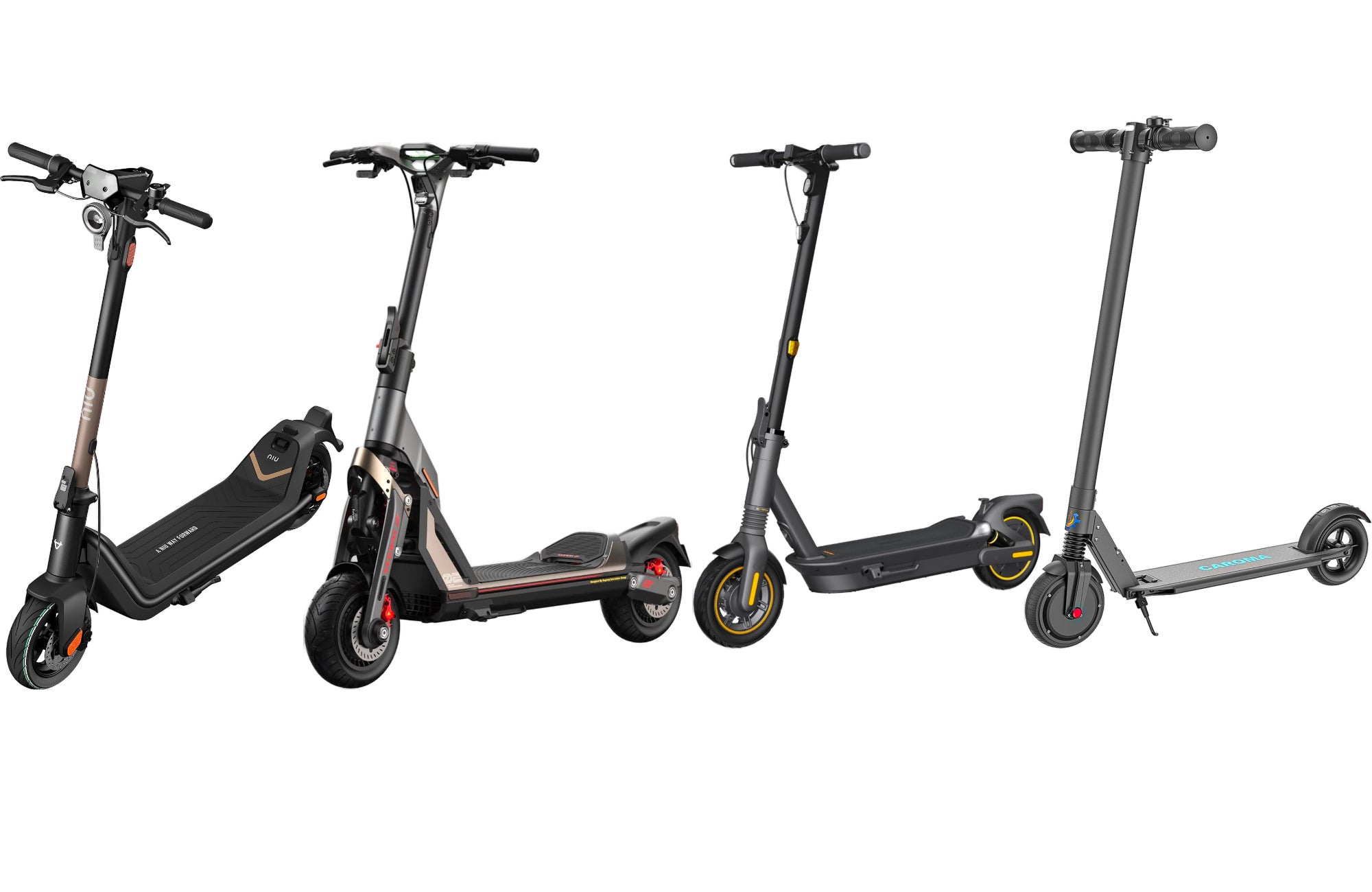
By bypassing these governors, riders often place themselves in precarious situations. Beyond the legal penalties—which can include fines, points in the central traffic register, or even criminal prosecution—there is the inherent risk of mechanical failure. E-scooter frames and braking components are engineered specifically for the 20 km/h limit; forcing them to operate at higher velocities can compromise the vehicle’s structural integrity and stopping distance.
What Riders Need to Know
- Speed Limits: E-scooters are limited to a maximum speed of 20 km/h in Germany.
- Insurance Requirements: A valid insurance sticker is mandatory for all public road use.
- Operating Permit: Modifications that increase speed or power invalidate the vehicle’s general operating permit (ABE).
- Criminal Liability: Riding an uninsured or illegally modified vehicle can lead to charges under the Compulsory Insurance Act.
Looking Ahead
As this case proceeds through the local judicial process, it serves as a cautionary tale for the growing number of young commuters utilizing micro-mobility solutions. Law enforcement agencies continue to conduct routine checks to ensure compliance with existing ordinances, emphasizing that the convenience of an e-scooter does not exempt the owner from the fundamental requirements of motor vehicle law.

For those interested in the evolving landscape of transport regulation, it is essential to stay informed about local updates provided by regional police departments and transportation authorities. The legal standing of electric micro-mobility devices remains a subject of ongoing scrutiny as cities balance the need for sustainable transport with the imperative of public safety.
We invite our readers to share their thoughts on the balance between personal mobility and traffic regulation in the comments section below. Stay tuned to World Today Journal for further updates on regional transportation policy and safety developments.
Related reading