
San Ysidro Drug Seizures Yield $2.8 Million in Narcotics
San Ysidro, California – U.S. Customs and Border Protection (CBP) officers at the San Ysidro Port of Entry have recently intercepted significant quantities of fentanyl and methamphetamine, totaling nearly $2.8 million in estimated street value. The seizures, occurring over a six-day period in April 2026, underscore the ongoing challenges of narcotics smuggling along the U.S.-Mexico border and the dedication of CBP personnel to preventing these dangerous drugs from reaching American communities. The San Ysidro Port of Entry, one of the busiest land border crossings in the world, remains a critical focal point for interdicting illicit substances.
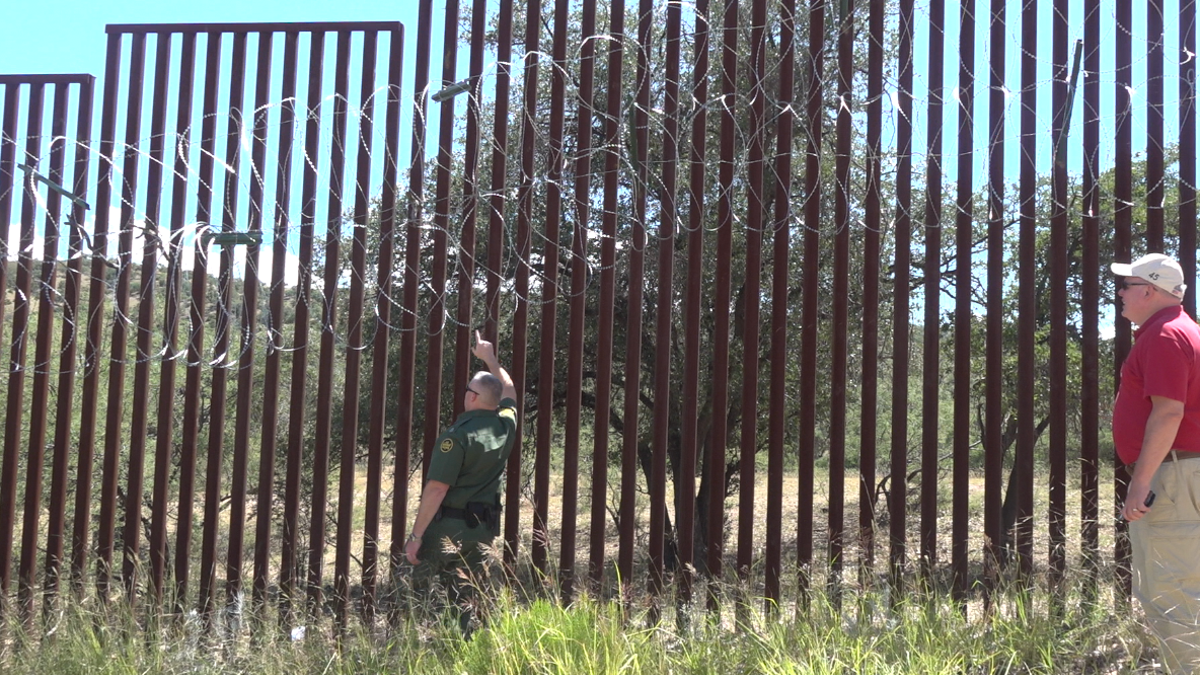
These latest seizures highlight a persistent trend of smugglers attempting to conceal narcotics within passenger vehicles. CBP utilizes a multi-layered approach, combining advanced technology, highly trained canine units, and the expertise of its officers to detect and intercept these illegal shipments. The agency’s efforts are crucial in mitigating the devastating impact of fentanyl and methamphetamine on public health, and safety. According to CBP data, the vast majority of fentanyl seizures occur at Ports of Entry, indicating a preference among traffickers for attempting to cross with legitimate traffic rather than through remote areas. CBP’s “Frontline Against Fentanyl” initiative details the agency’s comprehensive strategy to combat the influx of these dangerous drugs.
April Seizures: A Breakdown
The two seizures in question occurred on April 13 and April 19, 2026. On April 13, CBP officers seized 14.02 pounds of fentanyl powder, estimated to be equivalent to approximately 509,818 fentanyl pills, with a street value of $764,727. The seizure involved a 2025 Toyota Corolla driven by a 20-year-old Mexican citizen who was enrolled in the Secure Electronic Network for Travelers Rapid Inspection (SENTRI) program. A CBP canine alerted officers during pre-primary roving operations, leading to a secondary inspection where anomalies were detected in the vehicle’s rear quarter panels using imaging technology. A subsequent physical search revealed six concealed packages containing the fentanyl.
Just six days later, on April 19, officers intercepted a significantly larger shipment. A 2019 Honda Pilot driven by a 27-year-old Mexican national was referred for secondary inspection. Nonintrusive imaging revealed anomalies in the vehicle’s roof, and a CBP canine team confirmed the presence of narcotics. A thorough inspection uncovered 94 packages hidden within the roof, containing approximately 35 pounds of fentanyl powder valued at nearly $1.95 million, and over 80 pounds of methamphetamine, valued at approximately $80,550. The combined value of this seizure exceeded $2 million. Both drivers were taken into custody and face federal narcotics importation charges.
CBP’s Multi-Faceted Approach to Interdiction
The success of these seizures is attributed to CBP’s integrated enforcement strategy, which relies on several key components. Canine detection units play a vital role in identifying the presence of concealed narcotics. These highly trained dogs are able to detect even minute traces of drugs, prompting further investigation. Nonintrusive imaging technology, such as X-ray and gamma-ray scanners, allows officers to examine vehicles and cargo without physically dismantling them, revealing hidden compartments and anomalies. Secondary inspections, conducted after initial screening flags potential issues, provide a more detailed examination of vehicles and travelers.
Mariza Marin, Port Director for the San Ysidro Port of Entry, emphasized the sophistication of smuggling techniques and the importance of CBP’s vigilance. “Smugglers use complex techniques to conceal dangerous narcotics like fentanyl and methamphetamine,” Marin stated. “Their efforts directly prevent these deadly narcotics from reaching our streets, protecting countless lives.” According to a CBP press release, the agency continues to adapt its strategies to counter evolving smuggling tactics.
The Growing Threat of Fentanyl and Methamphetamine
The seizures at San Ysidro are part of a broader trend of increased narcotics trafficking along the U.S.-Mexico border. Fentanyl, a synthetic opioid, is particularly concerning due to its extreme potency – just two milligrams can be a lethal dose. The Drug Enforcement Administration (DEA) has repeatedly warned of the dangers of fentanyl and its increasing presence in illicit drug supplies. Methamphetamine, another highly addictive stimulant, also poses a significant public health threat. The combined impact of these drugs on communities across the United States is substantial, contributing to overdose deaths, addiction rates, and associated social and economic costs.
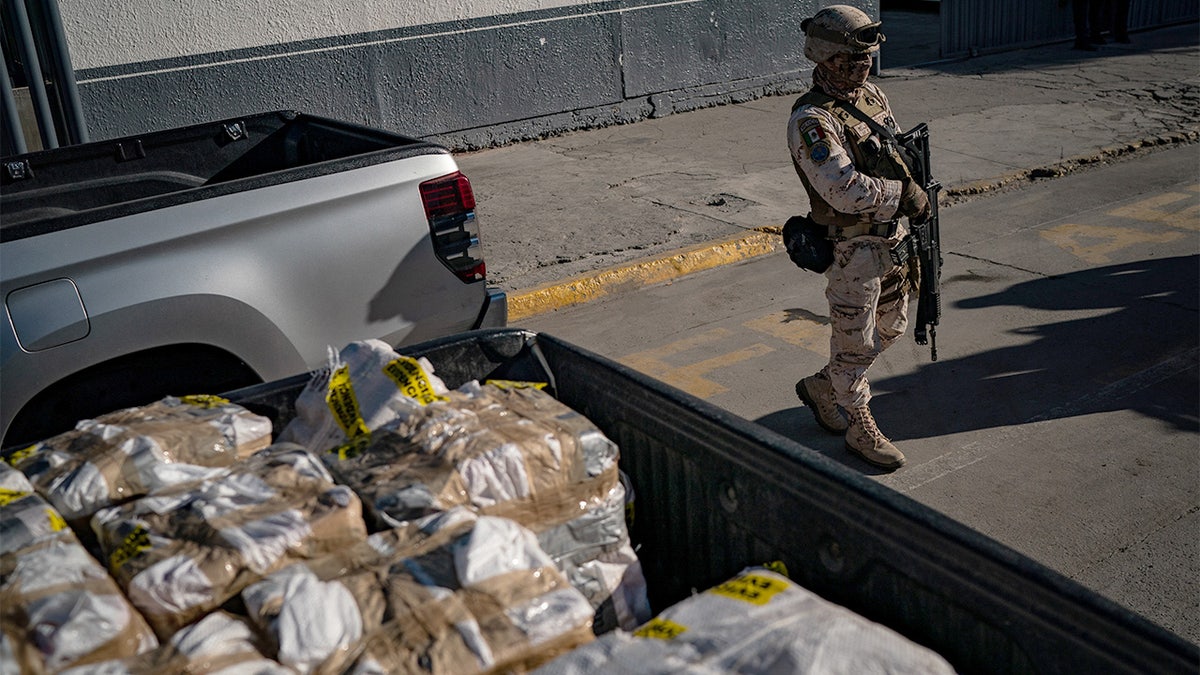
The San Ysidro Port of Entry handles a massive volume of traffic daily, with tens of thousands of vehicles and pedestrians crossing the border. This high volume presents a significant challenge for CBP officers, requiring them to efficiently and effectively screen travelers and cargo even as facilitating legitimate trade and travel. The agency is continually investing in new technologies and training to enhance its capabilities and stay ahead of evolving smuggling threats. The ongoing seizures demonstrate the critical role CBP plays in safeguarding the nation from the influx of dangerous narcotics.
Looking Ahead
Federal prosecution of the individuals arrested in connection with these seizures is the next step in the legal process. CBP continues to monitor trends in narcotics trafficking and adjust its enforcement strategies accordingly. The agency is also working with international partners, including Mexican authorities, to disrupt the supply chains that fuel the flow of illicit drugs into the United States. Further updates on these cases and CBP’s ongoing efforts to combat narcotics smuggling will be released as they become available.
The fight against drug trafficking at the border is a complex and ongoing challenge. These recent seizures at San Ysidro serve as a stark reminder of the persistent threat and the dedication of CBP officers to protecting our communities. Share your thoughts on this essential issue in the comments below.
Worth a look