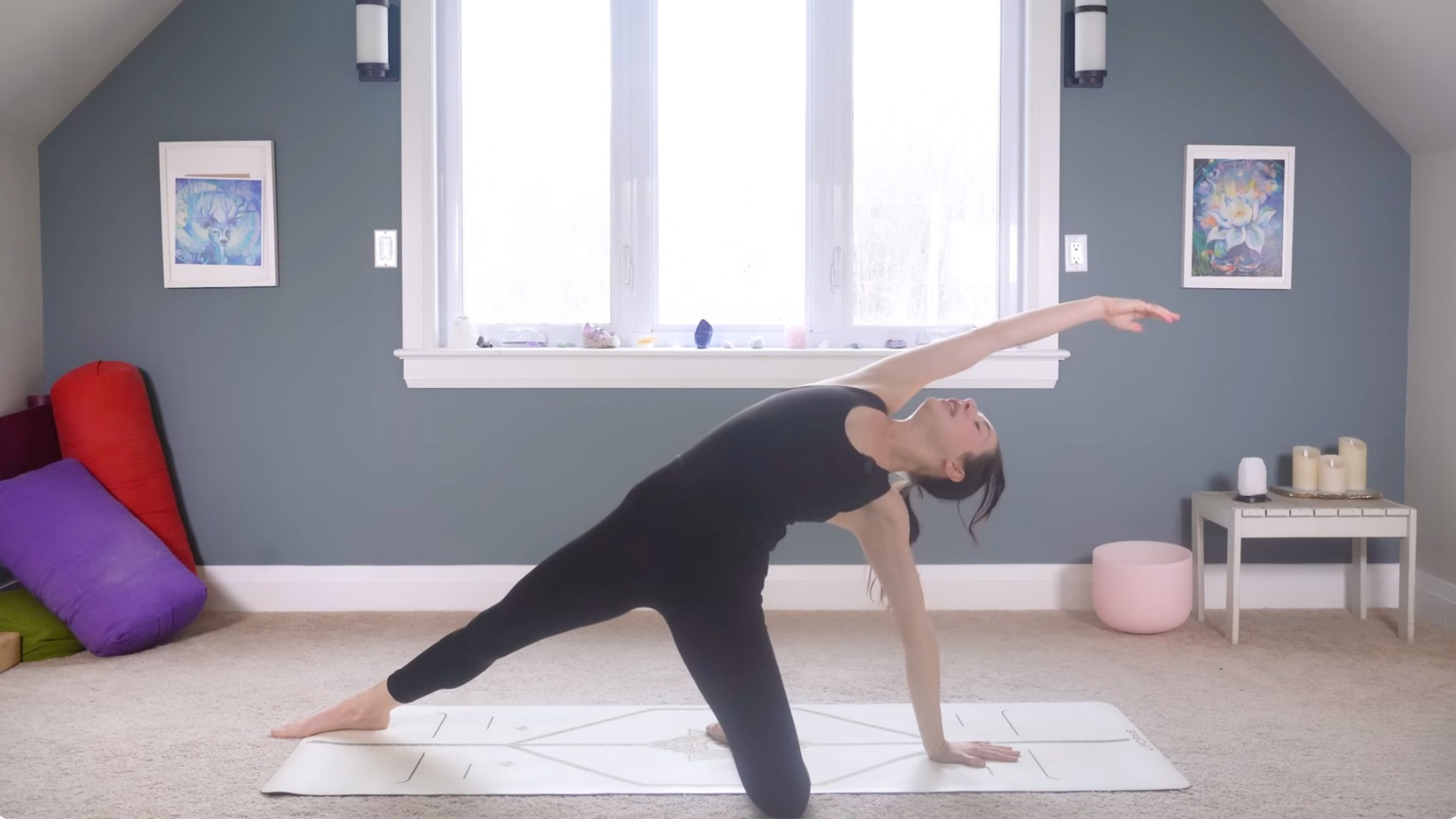
Establishing a consistent morning movement practice is one of the most effective ways to regulate the body’s circadian rhythm and prime the musculoskeletal system for the demands of the day. For many, the challenge lies not in the desire for health, but in the luxury of time. However, integrating a focused, 20-minute morning yoga and pilates routine can provide a comprehensive physiological “wake-up call” that balances strength, flexibility, and mental clarity.
As a physician and health journalist, I have observed that the most sustainable wellness habits are those that fit seamlessly into a busy schedule. The combination of yoga and pilates—often referred to in fitness circles as “Yogalates”—offers a synergistic approach to health. While yoga emphasizes flexibility and mindfulness, pilates focuses on core stability and controlled, precise movements. Together, they address the body’s needs more holistically than either discipline might alone in a short timeframe.
A brief but intentional morning session does more than just stretch muscles; it stimulates blood flow to the brain and lubricates the joints, reducing the stiffness often felt upon waking. By prioritizing full-body strengthening in the early hours, individuals can improve their posture, reduce the risk of injury throughout the day, and cultivate a sense of psychological readiness that carries over into professional and personal tasks.
The Synergy of Yoga and Pilates for Full-Body Strength
To understand why a hybrid approach is effective, it is necessary to examine the distinct mechanisms of each practice. Yoga, particularly Vinyasa or Hatha styles, utilizes isometric holds and dynamic flows to increase the range of motion in joints and improve overall flexibility. This is critical for counteracting the sedentary nature of modern work environments, where prolonged sitting often leads to tight hip flexors and a rounded upper back.
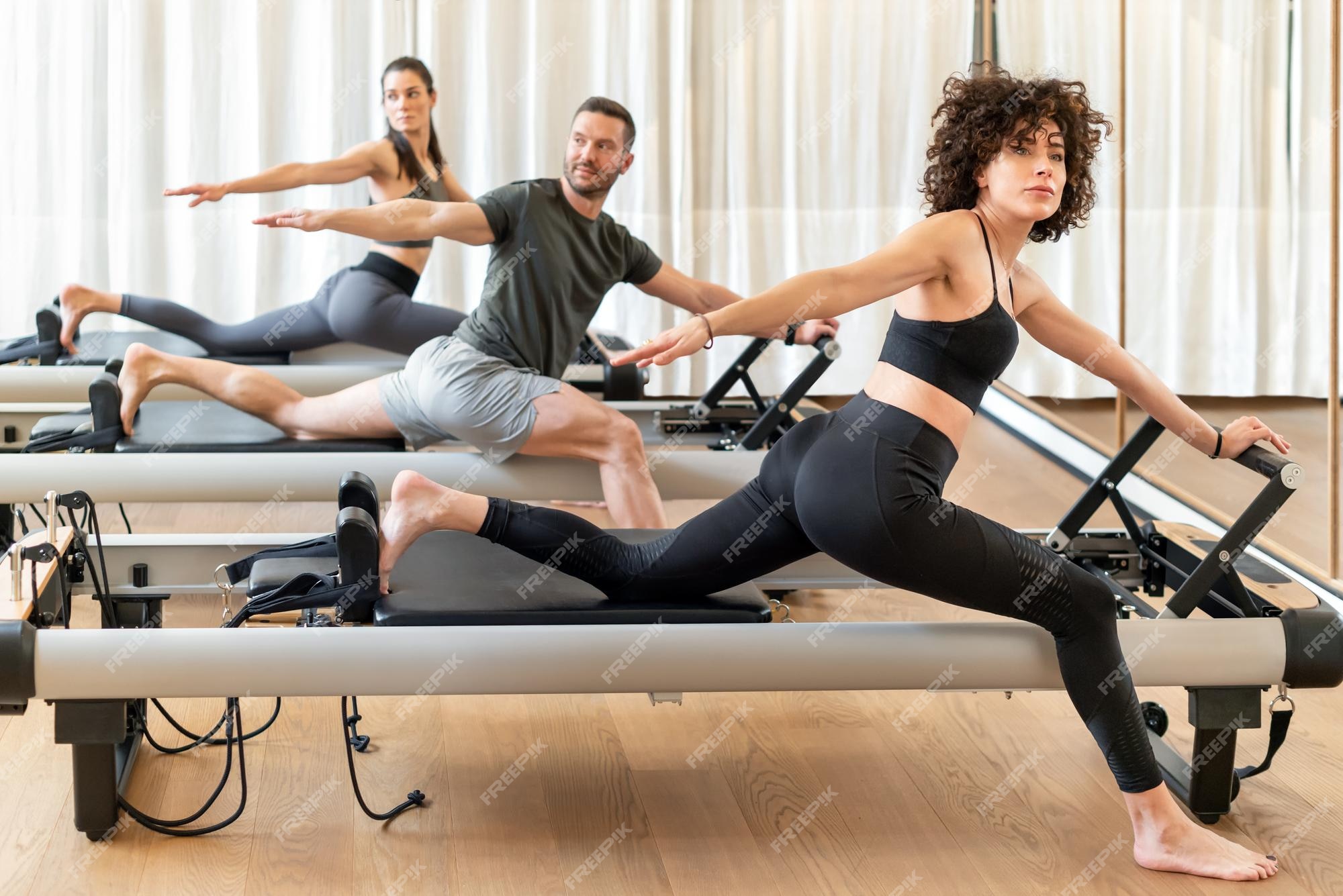
Pilates, conversely, is centered on the concept of the “powerhouse”—the complex of muscles including the abdominals, lower back, hips, and glutes. By focusing on spinal alignment and core engagement, pilates builds the foundational strength necessary to support the skeletal structure. When these two modalities are interspersed, the practitioner gains the ability to move with both strength, and fluidity.
From a medical perspective, this combination targets both the superficial muscles and the deep stabilizer muscles. For instance, while a yoga pose might stretch the hamstrings, a corresponding pilates movement can strengthen the pelvic floor and transverse abdominis. This dual action creates a more resilient body, improving balance and reducing the likelihood of chronic lower back pain, a common ailment linked to poor core stability.
Designing an Effective 20-Minute Morning Routine
Efficiency is the cornerstone of a 20-minute routine. To maximize the benefits of full-body strengthening, the session should be structured to move from gentle mobilization to active strength work, ending with a restorative cool-down. This progression ensures the heart rate increases gradually and the muscles are sufficiently warm before attempting more challenging movements.
The first five minutes should be dedicated to “opening” the body. Gentle movements such as Child’s Pose or Cat-Cow are ideal for releasing tension in the spine and shoulders. These poses encourage deep diaphragmatic breathing, which signals the nervous system to shift from a state of sleep to a state of alert calmness.
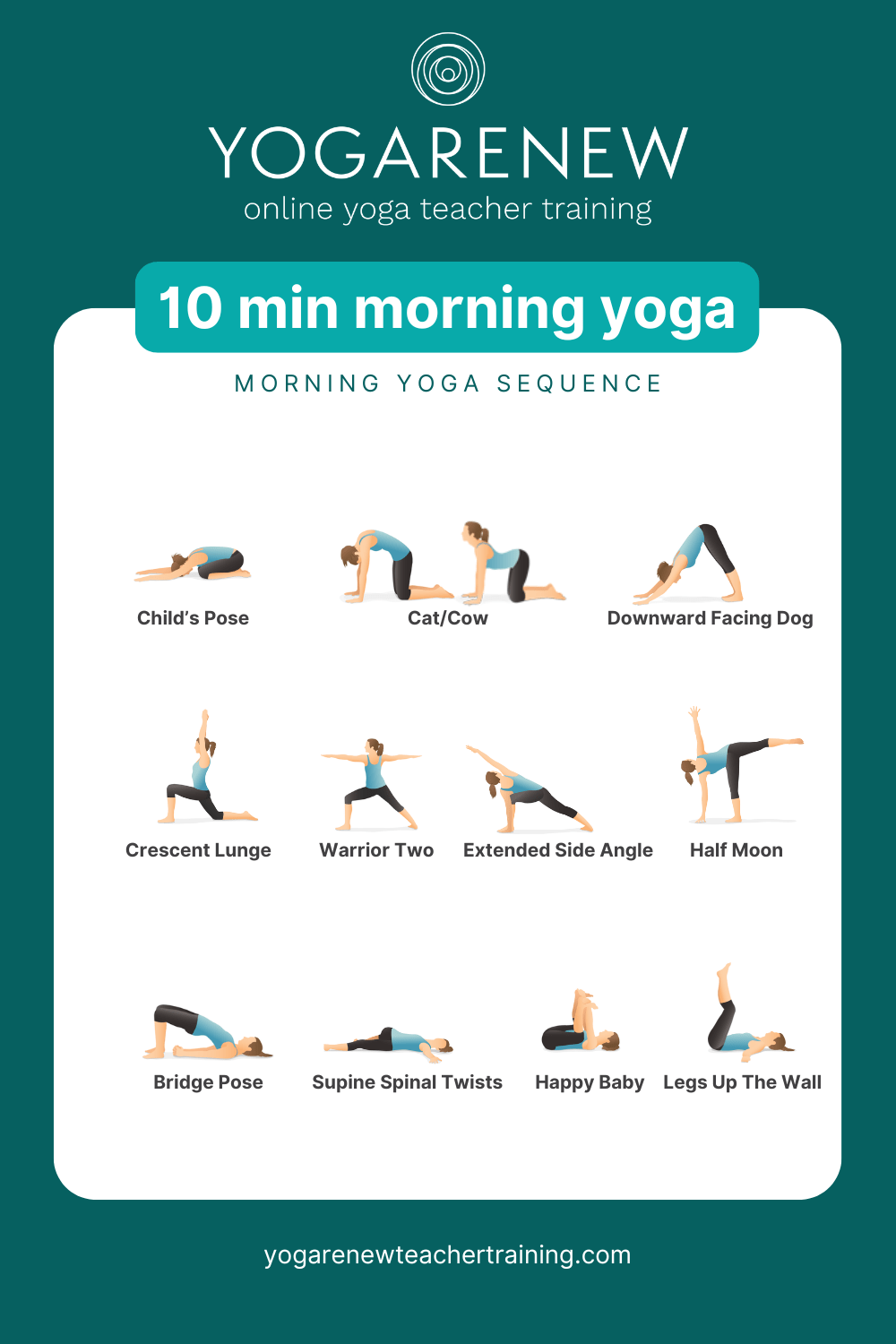
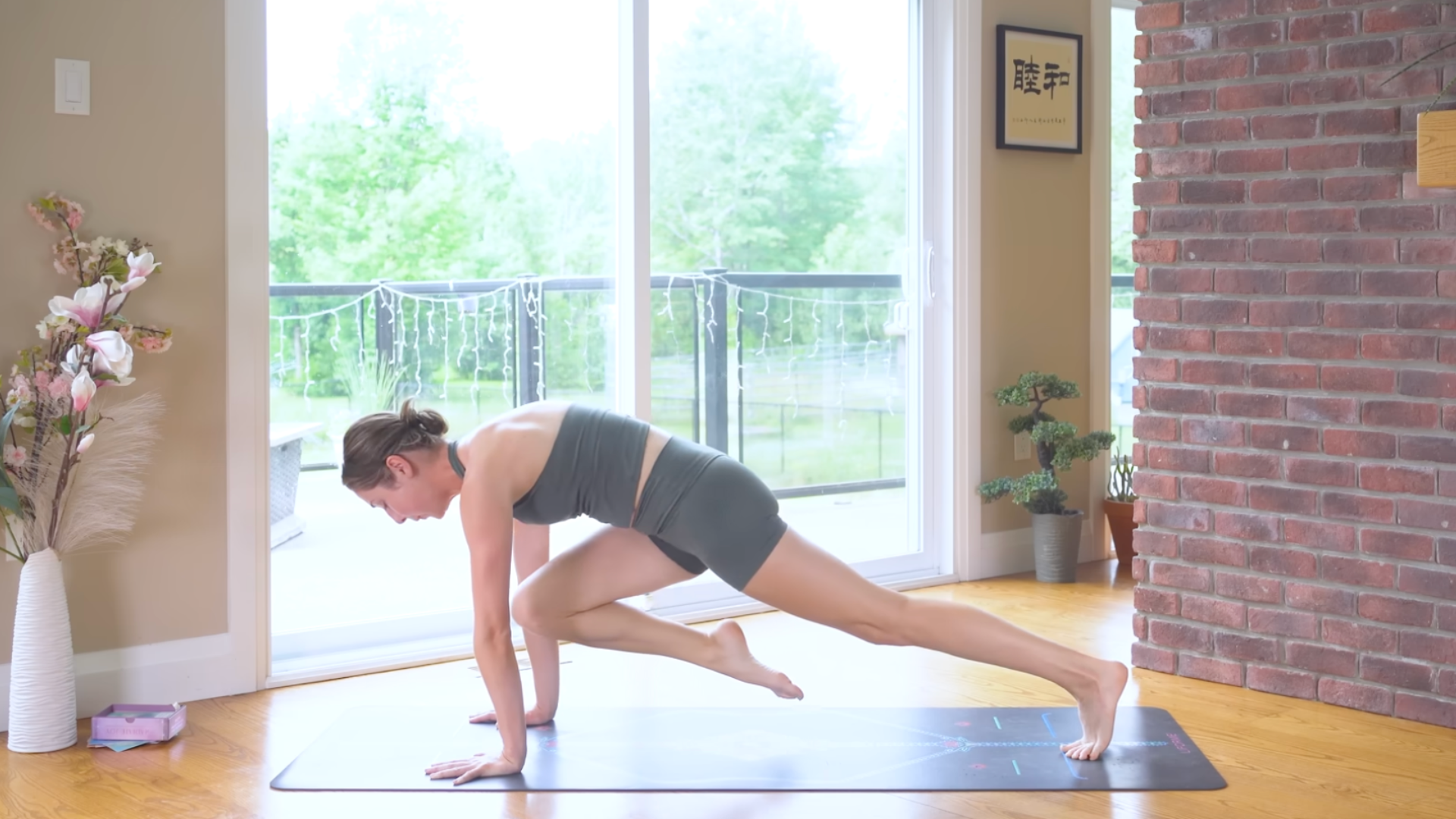
The middle ten minutes serve as the “strength phase.” This is where the integration of pilates is most valuable. Incorporating movements that challenge the core—such as modified planks, “the hundred,” or bird-dog extensions—builds the internal tension required for stability. Interspersing these with yoga poses like Low Lunge or Warrior II allows the practitioner to maintain flexibility while under tension, which is the key to functional strength.
The final five minutes should focus on integration and centering. Slow, controlled stretches and a brief period of stillness allow the heart rate to stabilize and the mind to focus. This transition is essential for ensuring that the physical energy generated during the workout is channeled into a productive mindset for the rest of the day.
Physiological and Mental Health Benefits
The impact of a morning strength and flexibility routine extends beyond the muscles. Engaging in physical activity shortly after waking can help regulate cortisol levels, the body’s primary stress hormone. While cortisol naturally peaks in the morning to help us wake up, excessive levels can lead to anxiety and fatigue. Controlled movement and mindful breathing help modulate this response, promoting a more stable emotional state.
the focus required for pilates—specifically the emphasis on precision and breath synchronization—acts as a form of moving meditation. This cognitive engagement improves proprioception, which is the body’s ability to sense its position in space. Enhanced proprioception is linked to better coordination and a lower risk of falls and injuries as we age.
For those struggling with chronic stiffness or joint pain, a low-impact hybrid routine is often more accessible than high-intensity interval training (HIIT) or heavy weightlifting. By utilizing the body’s own weight for resistance, yoga and pilates provide a scalable way to build muscle tone without placing excessive stress on the joints. This makes the practice suitable for a wide range of fitness levels, from beginners to seasoned athletes.
Safety Considerations and Medical Guidance
While yoga and pilates are generally safe for most people, it is imperative to approach any new exercise regimen with caution. As a physician, I always recommend that individuals consult with a healthcare provider before starting a new routine, especially if they have pre-existing conditions such as herniated discs, severe osteoporosis, or cardiovascular issues.
The most critical rule in any strengthening practice is to listen to the body’s signals. There is a significant difference between the “productive discomfort” of a muscle stretching or working and the “sharp pain” of an injury. If a movement causes sharp, stabbing, or radiating pain, it should be stopped immediately. Modifications are not a sign of weakness but a sign of intelligent training.
For example, those with wrist sensitivity can perform planks on their forearms rather than their palms. Those with limited hip mobility can use a block or a sturdy chair for support during lunges. The goal is not to achieve a “perfect” pose, but to achieve a functional movement that challenges the body without compromising its safety.
Key Takeaways for a Strong Start
- Hybrid Approach: Combining yoga’s flexibility with pilates’ core strength creates a more balanced and resilient body.
- Time Efficiency: A 20-minute session is sufficient to lubricate joints, activate the core, and improve mental alertness.
- Structured Flow: Begin with mobilization, move to active strengthening, and end with restorative stretching.
- Mind-Body Connection: Breath synchronization and precision movements reduce stress and improve proprioception.
- Safety First: Always prioritize form over depth and consult a medical professional if you have pre-existing injuries.
Incorporating a 20-minute morning yoga and pilates practice is an investment in long-term health. By dedicating a small fraction of the day to full-body strengthening, you create a physiological foundation that supports better posture, reduced stress, and increased energy. Whether you are a corporate professional spending hours at a desk or an active individual looking to maintain mobility, the synergy of these two disciplines provides a powerful tool for holistic well-being.
The next step for those looking to implement this routine is to establish a dedicated space and a consistent time. Consistency is the primary driver of physiological adaptation; the benefits of strength and flexibility are cumulative. Start slowly, focus on the breath, and allow the movement to energize your day.
Do you have a favorite morning movement or a specific health goal you are working toward? Share your experiences in the comments below or share this guide with someone looking to start their wellness journey.
Related reading