
For decades, the image of car theft was visceral: a shattered window, a spliced wire, or a skillfully manipulated lock. But as the automotive industry has pivoted toward the “software-defined vehicle,” the tools of the trade have shifted from slim-jims to scripts. We are entering an era where a vehicle can be hijacked without the thief ever touching the door handle, leading to the emergence of connected car ransomware.
This transition represents a fundamental shift in the risk landscape. While traditional theft focuses on the physical possession of the asset, ransomware targets the digital ownership of the vehicle. By exploiting vulnerabilities in the complex ecosystem of internet-connected components, malicious actors can now remotely disable critical functions—locking doors, preventing the engine from starting, or disabling infotainment systems—until a ransom is paid in cryptocurrency.
As a financial journalist who has spent nearly two decades analyzing the intersection of global markets and technological disruption, I view this not merely as a technical glitch, but as a systemic economic risk. The vulnerability of the automotive supply chain, combined with the rapid deployment of Over-the-Air (OTA) updates, has created a massive, decentralized attack surface that the industry is still struggling to secure.
From Physical Theft to Digital Extortion
The evolution of vehicle crime has followed the trajectory of the broader cybersecurity landscape. Early digital attacks focused on “relay attacks,” often referred to in technical circles as signal boosting. In these scenarios, hackers intercept the electronic signal from a keyless entry fob and amplify it to trick the car into thinking the owner is standing right next to the door. This allows for a seamless, silent theft that leaves no physical evidence of a break-in.
However, the rise of connected car ransomware moves beyond simple theft. Instead of stealing the car to sell it for parts or export it, attackers leverage the vehicle’s connectivity to create a digital hostage situation. Because modern cars are essentially high-powered computers on wheels, they rely on internal networks—specifically the Controller Area Network (CAN bus)—to allow different electronic control units (ECUs) to communicate.
If a hacker gains access to this network, either through a vulnerability in the cellular connection, a flawed third-party app, or a physical port, they can send unauthorized commands to the vehicle. The goal is no longer to drive the car away, but to render it useless to the owner, effectively turning the vehicle’s own security features against the driver.
The Vulnerability Pipeline: How Cars Are Compromised
The vulnerability of modern vehicles stems from the sheer complexity of their software architecture. A typical luxury vehicle today may run over 100 million lines of code, sourced from dozens of different global suppliers. This fragmented supply chain often leads to “security gaps” where one weak link can compromise the entire system.
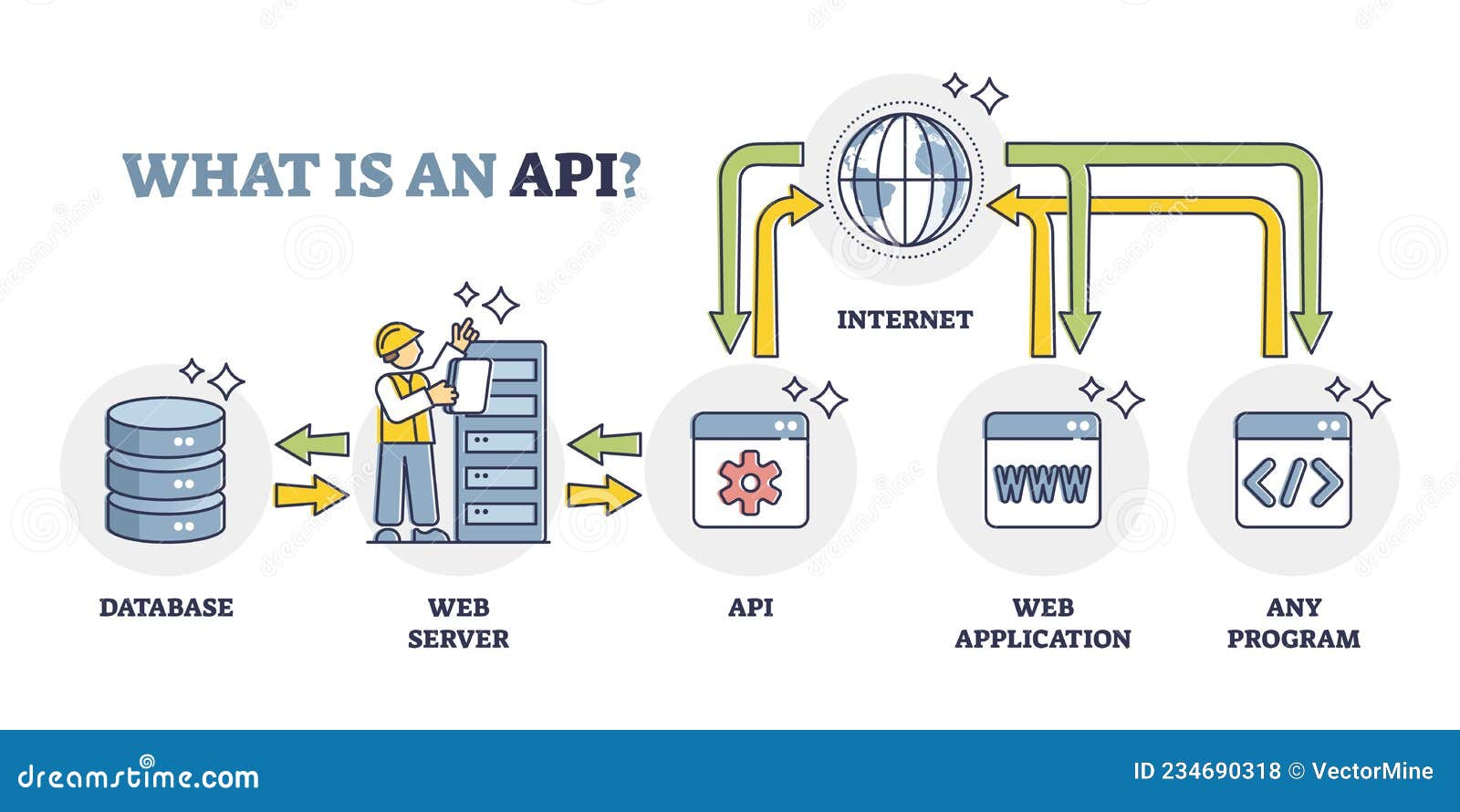
There are three primary vectors currently exploited by attackers:
- Over-the-Air (OTA) Updates: While OTA updates allow manufacturers to fix bugs and add features remotely, they also provide a potential gateway for attackers. If the update pipeline is not properly encrypted or authenticated, a malicious update could be pushed to thousands of vehicles simultaneously.
- API Exploitation: Many owners use smartphone apps to lock, unlock, or start their cars. These apps communicate via Application Programming Interfaces (APIs). If these APIs are poorly secured, hackers can intercept the communication or spoof the owner’s identity to gain remote control of the vehicle.
- CAN Bus Injection: For more targeted attacks, hackers may use physical access to the car’s wiring to “inject” messages into the CAN bus. This allows them to bypass the vehicle’s central security and send direct commands to the brakes, steering, or ignition.
The implications of these vulnerabilities are being tracked by global security agencies. The Cybersecurity & Infrastructure Security Agency (CISA) has frequently highlighted the importance of securing critical infrastructure, which increasingly includes the automated transportation systems that move people and goods across borders.
The Economic Impact on the Automotive Sector
From an economic perspective, the rise of automotive cybercrime introduces significant volatility into the market. For manufacturers, the cost of a cybersecurity breach is not limited to a single vehicle; it can trigger massive, mandatory recalls of entire fleets to patch a software vulnerability. These recalls are astronomically expensive and can lead to severe brand erosion and a loss of consumer trust.
the insurance industry is facing a reckoning. Traditional auto insurance is designed to cover physical theft and accidents. However, the concept of “digital theft” or “digital disablement” blurs the lines between auto insurance and cyber insurance. As ransomware attacks become more frequent, People can expect to see a rise in premiums and a requirement for vehicles to meet stricter cybersecurity certifications before they can be insured.
We are also seeing a shift in how “vehicle value” is calculated. In the secondary market, a car’s value may soon depend not just on its mileage and condition, but on the robustness of its software security and the manufacturer’s track record of providing timely security patches.
Protecting Your Vehicle in the Connected Era
While the battle between hackers and engineers is largely fought in the cloud, there are practical steps vehicle owners can take to mitigate their risk. Cybersecurity is a shared responsibility between the manufacturer and the end-user.
To reduce the risk of relay attacks and remote hijacking, experts suggest the following measures:
- Use Faraday Bags: To prevent “mouse-jacking” or relay attacks, store your key fobs in a signal-blocking Faraday bag when at home. This prevents hackers from capturing the signal and amplifying it to unlock your car.
- Enable Two-Factor Authentication (2FA): If your vehicle’s companion app offers 2FA, enable it immediately. This adds a critical layer of security, ensuring that a stolen password alone isn’t enough to grant access to your car.
- Keep Software Updated: Just as you update your smartphone or laptop, ensure your vehicle’s firmware is up to date. These updates often contain critical security patches that close known vulnerabilities.
- Audit Third-Party Permissions: Be cautious about which third-party apps you link to your vehicle’s data. Every connected app is a potential entry point for a malicious actor.
The Path Forward: Security by Design
The automotive industry is beginning to move toward a “Security by Design” philosophy. This means integrating cybersecurity at the very beginning of the vehicle’s development process, rather than treating it as an afterthought or a patch to be applied later. International standards, such as ISO/SAE 21434, are being adopted to provide a framework for cybersecurity risk management throughout the entire lifecycle of a vehicle.

However, the pace of innovation often outstrips the pace of regulation. As we move toward fully autonomous vehicles, the stakes will only grow higher. A ransomware attack on a self-driving car isn’t just a financial nuisance; it is a critical safety hazard. The transition to autonomous mobility requires a level of trust in the software that the industry has not yet fully earned.
For the global consumer, the convenience of a connected car—remote starting on a cold morning, automatic navigation updates and integrated entertainment—is undeniable. But this convenience comes with a hidden cost: a permanent digital tether to a world of evolving cyber threats. The challenge for the next decade will be ensuring that the “smart car” doesn’t become a liability on wheels.
The next major milestone in this evolution will be the implementation of more stringent EU and US federal mandates regarding automotive software transparency, expected to roll out in updated regulatory frameworks over the coming year. These mandates may eventually require manufacturers to provide a “Software Bill of Materials” (SBOM) for every vehicle, allowing owners and regulators to know exactly what code is running their cars.
Do you feel secure in your connected vehicle, or do the risks of digital hijacking outweigh the convenience? Share your thoughts in the comments below or share this article with other drivers to spread awareness.
Related reading