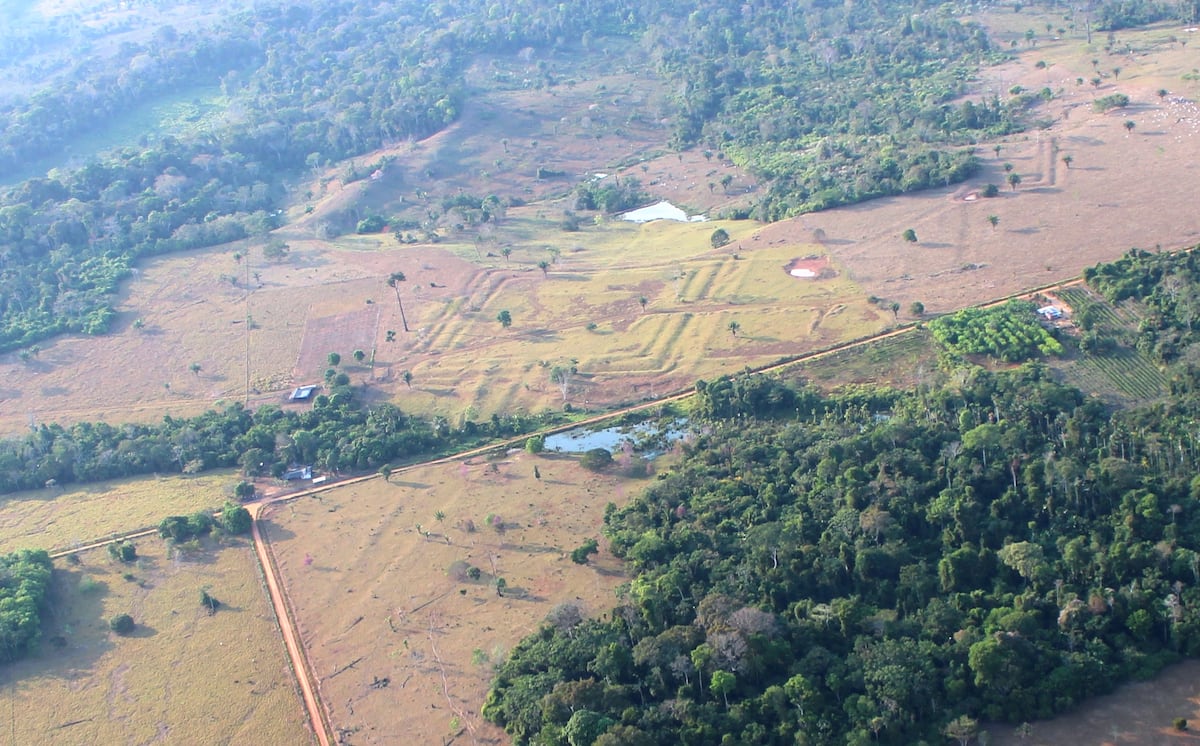
Recent archaeological discoveries across the Amazon basin reveal that pre-colonial populations in South America were far larger and more complex than long assumed, reshaping our understanding of indigenous history before European contact. According to archaeological surveys published in academic journals including Nature, researchers using advanced remote-sensing technology have mapped more than 20,000 pre-Columbian earthworks hidden beneath the rainforest canopy. These geometric ditches, mounds, and plazas challenge the historical narrative that the Amazon was once a pristine, sparsely populated wilderness untouched by large-scale human engineering.
For decades, scholars debated the ecological capacity of the rainforest to sustain massive urban centers. Traditional archaeological methods struggled to penetrate the dense foliage, leaving historians to rely on scattered pottery shards and small-scale excavations. However, the deployment of Light Detection and Ranging (LiDAR) technology has fundamentally altered the scientific landscape. By bouncing laser pulses off the ground from aircraft, scientists can digitally strip away the forest canopy to expose hidden architectural structures on the forest floor.
Unveiling Pre-Columbian Geoglyphs with LiDAR Technology
The application of LiDAR in the Amazon has brought to light thousands of previously unknown geometric structures, including walled villages, ceremonial sites, and intricate agricultural networks. As reported by Science, these earthworks span vast areas across modern-day Brazil, Bolivia, and surrounding regions, dating primarily from 1250 to 1500 CE. The sheer scale and precision of these geometric formations indicate that millions of people once lived in organized societies capable of complex civil engineering.
Archaeologists working in the region note that these earthworks served various community functions, from defensive enclosures to ritual gathering spaces and agricultural management systems. The discovery points to sophisticated land management practices that enhanced soil fertility without destroying the surrounding ecosystem. Rather than damaging the rainforest, these pre-colonial populations maintained a dynamic balance with their environment, cultivating native crops such as manioc and developing extensive agroforestry networks.
Rethinking Indigenous Amazonian Societies
The implications of these findings extend far beyond archaeology, offering vital context for modern conservation and indigenous land rights. For generations, colonialist historiography promoted the myth of the Amazon as an untamed wilderness inhabited only by nomadic tribes. The identification of dense, interconnected settlements reframes the region as a historical cultural hearth where millions of people built sophisticated urban networks long before the arrival of Europeans in the late 15th century.
Researchers emphasize that contemporary indigenous communities possess deep ancestral ties to these engineered landscapes. According to studies highlighted by the BBC, many modern forest management techniques practiced by indigenous groups directly descend from pre-colonial traditions. Recognizing the historical depth of human habitation in the basin reinforces current legal arguments for protecting indigenous territories from deforestation and industrial encroachment.
Future Archaeological Directions and Conservation Challenges
Field researchers continue to cross-reference LiDAR data with on-the-ground excavations to date artifacts and determine the exact population densities of these ancient settlements. However, funding constraints and the ongoing threat of illegal logging and agricultural expansion complicate field expeditions across remote jungle sectors. Academic institutions and international research consortia are urging increased protection for these unexcavated sites before modern development erases invaluable layers of human history.
As ongoing archaeological analyses and ground-truthing expeditions proceed, research teams plan to publish further findings on regional trade routes and inter-village communication networks. Readers and researchers looking for formal academic updates can follow upcoming publications through archaeological databases and peer-reviewed journals. We invite our readers to share their thoughts and discuss these historical findings in the comments section below.
Worth a look