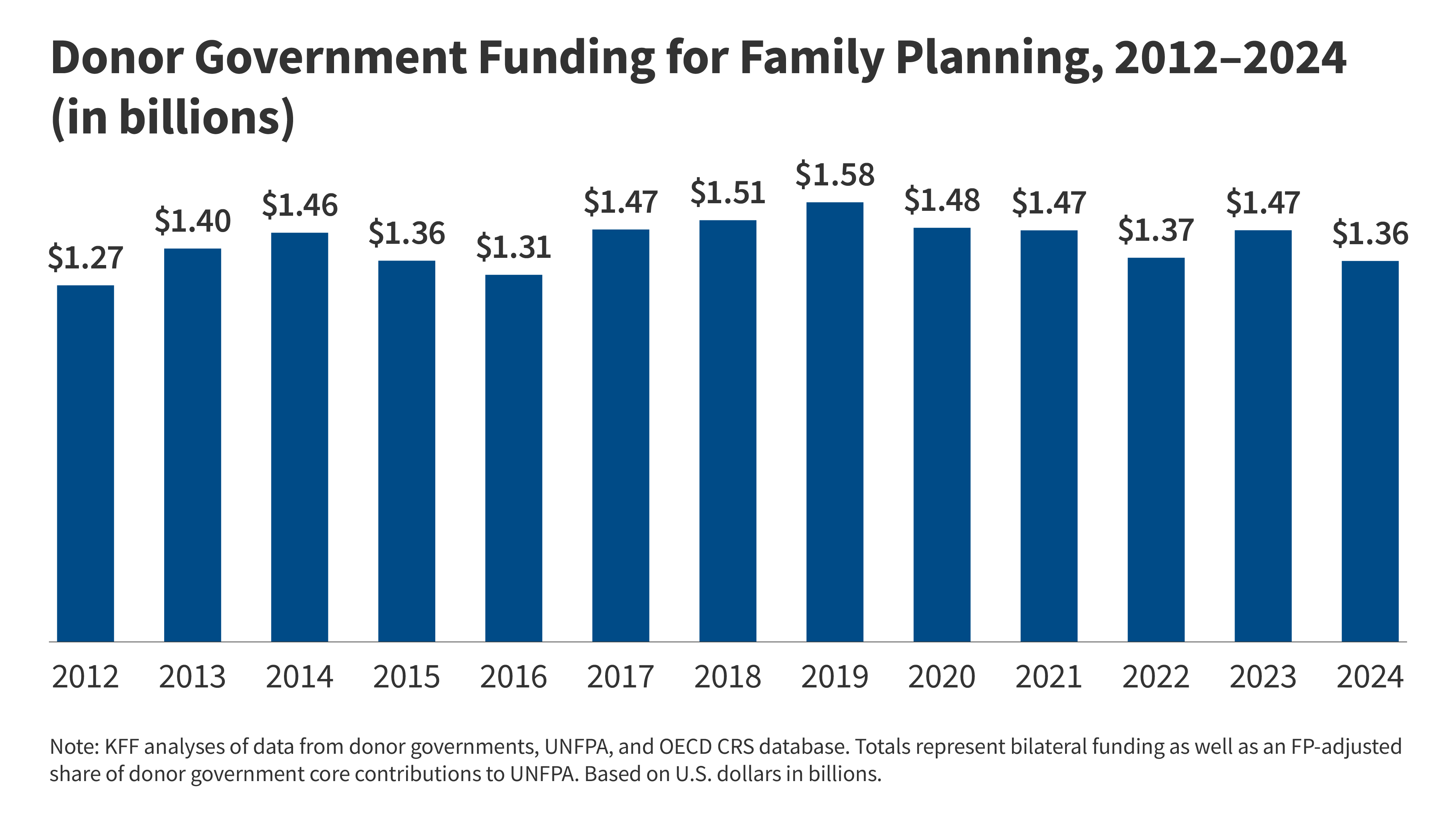
Understanding Global Family Planning Funding: A Deep Dive into Sources and Trends
Family planning is a cornerstone of global health and progress. Understanding where the funding comes from to support these vital programs is crucial for advocates, policymakers, and anyone interested in reproductive health. This article provides a detailed overview of global family planning funding sources, focusing on contributions from the U.S. government and multilateral organizations like the United Nations Population Fund (UNFPA). We’ll break down the complexities, explain methodologies, and offer clarity on how funding is tracked and allocated.
Bilateral Funding: The U.S. Role
The United States is a significant contributor to global family planning efforts. Here’s a look at how U.S. funding is structured:
* Direct Bilateral Assistance: This includes funds provided directly to partner countries for family planning and reproductive health (FP/RH) programs.
* U.S. Agency for International Development (USAID): USAID is the primary channel for U.S. bilateral FP/RH assistance.
* Funding Fluctuations: U.S. funding levels have varied considerably over time, influenced by policy changes and political priorities. Such as, funding saw increases during the Obama administration and experienced shifts under subsequent administrations.
* Recent Trends (2017-2023): U.S. bilateral funding for family planning totaled approximately $688 million in 2023. This represents a notable increase from previous years, reflecting renewed commitment.
* Funding Transfers: It’s crucial to note that U.S. totals for 2017-2020 include funds originally intended for UNFPA, but redirected to the USAID FP/RH account due to legal provisions like the Kemp-Kasten amendment. (For more on this, see KFF’s explainer on UNFPA Funding & Kemp-Kasten).
Multilateral Funding: Supporting UNFPA’s work
Multilateral organizations play a critical role in expanding access to family planning services globally. UNFPA is a key player in this space.
* Core Contributions: UNFPA receives core funding from United Nations Executive Board members. These contributions are received throughout the year, regardless of individual countries’ fiscal calendars.
* Data Adjustments: UNFPA converts all contributions to U.S. dollars based on the exchange rate at the time of receipt.
* Family Planning Allocation: Not all of UNFPA’s core funding is dedicated solely to family planning. UNFPA addresses a broad range of issues, including population and development, HIV/AIDS, gender equality, and sexual and reproductive health and rights.
* estimating Family Planning Funding (2012-2024):
* 2012-2021: UNFPA provided estimates of family planning funding derived from core resources through direct communication.
* 2022-2024: Estimates are based on amounts reported on UNFPA’s Transparency Portal, specifically designated for “Ending the Unmet need for Family Planning.”
* Allocation percentage: UNFPA allocates a portion of its core resources to family planning activities. In 2024, approximately 15% of core resources – totaling US$79 million – were dedicated to family planning out of a total expenditure of US$522 million. This means that roughly 15% of a donor government’s core contribution to UNFPA is considered funding for family planning.
* Un-earmarked Contributions: General contributions to the UN (like membership assessments) aren’t counted as direct family planning assistance, even if the UN ultimately allocates some of those funds to FP/RH programs.
Critically important Considerations & Methodology
it’s vital to understand how these funding figures are calculated:
* Core vs. earmarked Funding: Core funding provides UNFPA with flexibility to address emerging needs. Earmarked funding is designated for specific programs or regions.
* Attribution Challenges: Accurately attributing funding to family planning can be complex, as many programs have multiple objectives.
* Transparency & Reporting: UNFPA’s Transparency Portal is a valuable resource for tracking funding allocations.
* Data Sources: This analysis relies on
Related reading