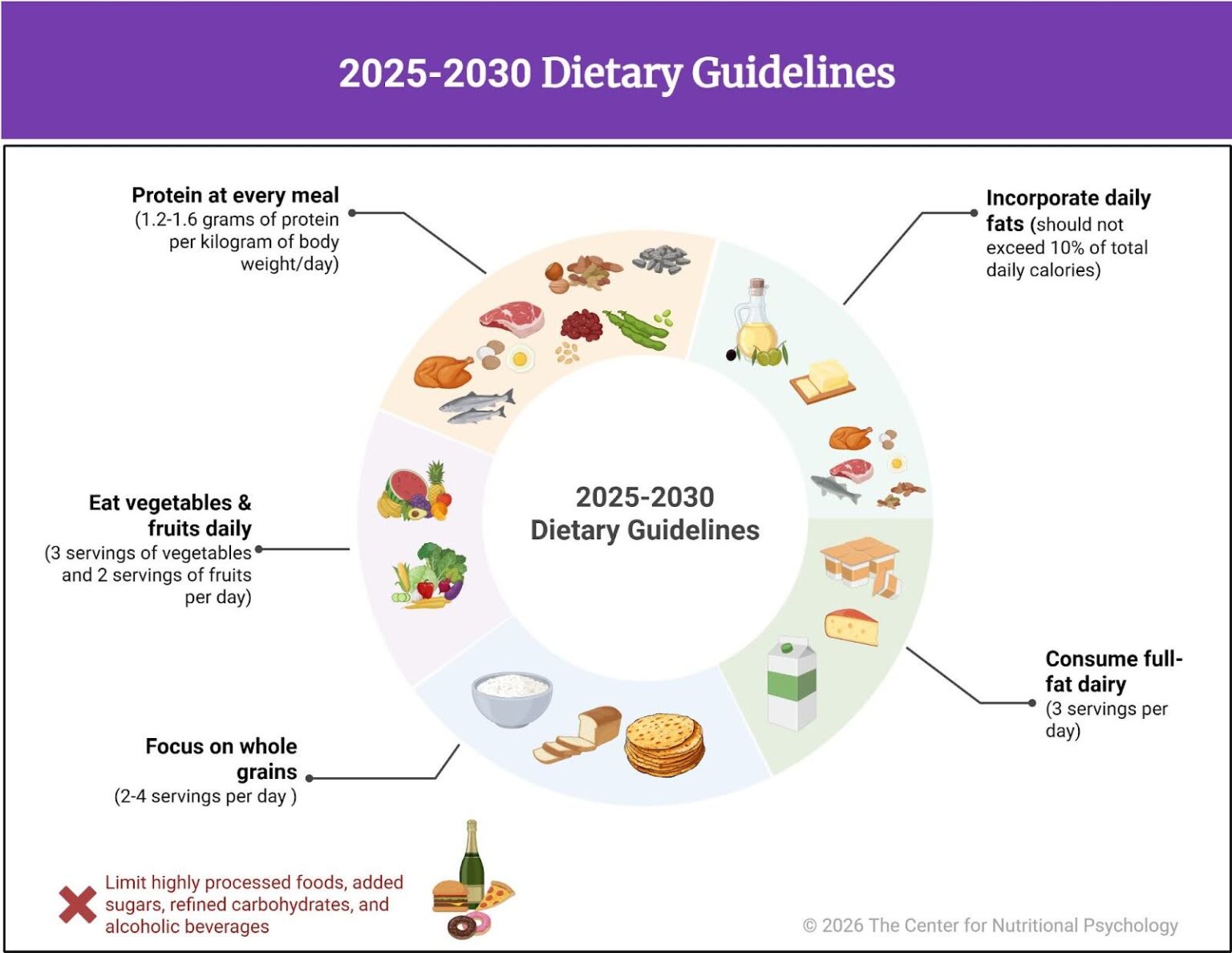
As we look toward the upcoming cycle of federal nutritional guidance, public health experts and policymakers are centering their focus on the Dietary Guidelines for Americans (DGA) 2025-2030. These guidelines, which serve as the cornerstone of federal nutrition policy in the United States, provide the framework for school lunch programs, military rations, and broader public health initiatives. As a physician, I have observed that these documents are far more than mere suggestions; they represent the evidence-based consensus that shapes how millions of people approach their daily intake of macronutrients.
The development of these guidelines is a rigorous, multi-year process led by the U.S. Department of Agriculture (USDA) and the U.S. Department of Health and Human Services (HHS). According to the official Dietary Guidelines for Americans portal, the current process involves an appointed Dietary Guidelines Advisory Committee (DGAC) tasked with reviewing the latest scientific literature to ensure the final recommendations reflect modern health needs. Understanding these guidelines is essential for anyone interested in clinical nutrition, metabolic health, or the evolving landscape of public health policy.
The Evolution of Federal Nutritional Standards
The process of updating the guidelines for the 2025-2030 period is currently underway, with the process officially initiated to update the previous 2020-2025 edition. The DGAC conducts systematic reviews of the scientific evidence to provide a comprehensive report that informs the final policy. This methodology is designed to minimize bias and ensure that the recommendations are grounded in robust clinical data. For those tracking these changes, the 2025 Dietary Guidelines Advisory Committee provides public access to their meeting schedules and scientific questions under review.
In my clinical practice at Charité, I often emphasize that nutritional guidelines are intended to address the needs of the general population while accounting for common chronic conditions. The 2025-2030 edition is expected to build upon the foundation of its predecessor, which emphasized a “lifespan approach”—focusing on nutrition from infancy through older adulthood. This shift recognizes that nutritional requirements are not static but evolve significantly as we age.
Focus Areas: Macronutrients and Public Health
One of the most frequently discussed aspects of the upcoming guidelines is the appropriate balance of macronutrients, specifically protein intake. While there is considerable public discourse regarding the ideal amount of protein for active individuals versus sedentary populations, the DGAs must balance these perspectives with the broader goal of preventing diet-related chronic diseases like type 2 diabetes and cardiovascular illness. As noted by the U.S. Department of Health and Human Services, the guidelines aim to support healthy body weight and reduce the risk of obesity, which remains a primary public health concern in the United States.
The conversation surrounding protein is nuanced. In clinical settings, we often refer to the Recommended Dietary Allowance (RDA), which is set at 0.8 grams of protein per kilogram of body weight for the average adult. However, emerging research often suggests that higher intakes may be beneficial for muscle protein synthesis and satiety, especially in older populations prone to sarcopenia. The tension for the federal committee lies in translating these clinical insights into population-wide messaging that avoids unintended consequences, such as the displacement of essential fiber-rich foods like vegetables, legumes, and whole grains.
Navigating the Guidelines: What Happens Next?
The path to the release of the 2025-2030 Dietary Guidelines is structured and transparent. Following the committee’s final report, the USDA and HHS will synthesize the findings to produce the final policy document. For the public and health professionals alike, keeping an eye on the official Dietary Guidelines website is the most reliable way to stay informed about the release timeline and upcoming public comment opportunities.
It is important for patients and practitioners to remember that these guidelines are intended to provide a flexible framework. They are not “one-size-fits-all” prescriptions. As we await the official 2025-2030 publication, I encourage my readers to focus on the core tenets that have remained consistent across recent editions: prioritizing nutrient-dense foods, limiting added sugars, reducing sodium intake, and choosing lean protein sources. These pillars of health remain the most effective tools we have for long-term disease prevention.
The next major milestone in this process will be the publication of the final report from the Advisory Committee, followed by the formal release of the 2025-2030 Dietary Guidelines for Americans by the USDA and HHS. I will continue to monitor these developments closely and provide updates as the final document is made available to the public. If you have questions about how these upcoming changes might affect your personal nutrition plan, please feel free to share your thoughts in the comments section below or join the conversation on our social media platforms.
Related reading