
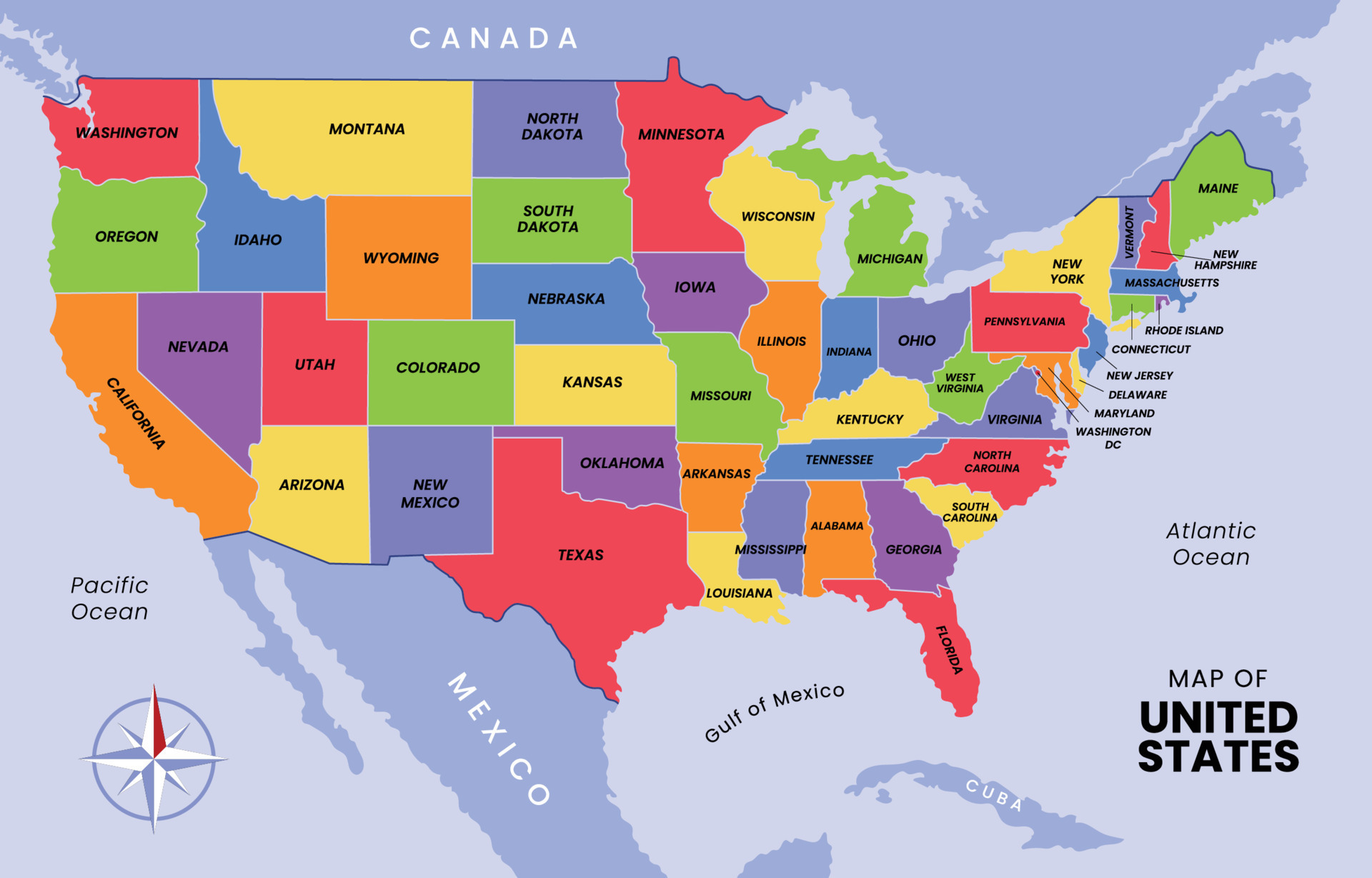
Texas animal health officials recently confirmed a case of New World screwworm in a head of cattle, marking a significant development for the state’s agricultural sector. This finding, identified through diagnostic testing, represents the first detection of the parasite in the United States since the successful eradication program was completed in 1966. The Texas Animal Health Commission (TAHC) is currently leading the response efforts to monitor the situation and prevent any potential spread of the infestation.
The New World screwworm (*Cochliomyia hominivorax*) is a parasitic insect that feeds on the living tissue of warm-blooded animals, including livestock and wildlife. Unlike other fly species that feed on decaying matter, the screwworm larvae burrow into open wounds, creating serious health risks for affected animals. The eradication of the species from the United States in the mid-20th century was considered a landmark achievement for veterinary medicine and the livestock industry, accomplished primarily through the release of sterile male flies to disrupt the reproductive cycle of the population.
Understanding the Threat and Historical Context
For decades, the United States has maintained a rigorous surveillance program to ensure the country remains free of this pest. The United States Department of Agriculture (USDA) Animal and Plant Health Inspection Service (APHIS) works in coordination with state agencies to maintain a barrier against the reintroduction of the screwworm, which remains present in parts of Central and South America. The recent identification in Texas has triggered standard diagnostic protocols to determine the source of the infestation and assess the risk to neighboring herds.
The impact of a screwworm outbreak on cattle production can be severe. If left untreated, an infestation can lead to secondary infections, rapid weight loss, and in many cases, mortality among livestock. Because the parasite targets any open wound—even minor ones caused by branding, tagging, or insect bites—producers are encouraged to maintain heightened vigilance. The TAHC provides official guidance and educational resources for ranch owners and veterinarians to assist in the early detection and reporting of suspicious wounds.
Response Protocols and Biosecurity Measures
In response to the confirmation, the TAHC and federal partners have initiated intensified surveillance in the affected region. Biosecurity is the primary defense against the spread of the parasite. Ranchers are being advised to inspect their animals regularly, particularly those that have recently traveled or been introduced from areas where the parasite may be present. Prompt reporting of any animal exhibiting signs of deep, persistent wounds is essential to maintain the state’s status as a screwworm-free zone.
The protocols for managing a potential screwworm case involve:
- Clinical Examination: Veterinarians perform physical inspections of wounds on suspected animals.
- Laboratory Testing: Samples of larvae are collected and sent to official laboratories for definitive identification.
- Quarantine and Movement Restrictions: Affected premises may be subject to temporary movement restrictions to prevent the potential dispersal of adult flies.
- Increased Surveillance: Traps and monitoring devices are deployed in the vicinity to detect the presence of adult screwworm flies.
What Ranchers and Producers Need to Know
The agricultural community plays a critical role in the ongoing monitoring effort. As of the most recent updates from state authorities, there is no evidence of a widespread outbreak, but the nature of the pest requires a proactive approach. Producers should focus on minimizing injuries that could serve as entry points for the fly, such as ensuring proper equipment maintenance and managing common livestock pests like ticks or biting flies.
For those interested in the latest official developments, the TAHC maintains a dedicated portal for disease updates and livestock health alerts. We see critical for producers to rely exclusively on information from official state and federal sources to avoid misinformation during the investigation process. As the situation evolves, health officials will continue to provide updates regarding laboratory results and any necessary adjustments to regional biosecurity measures.
The success of the 1966 eradication program was built on the cooperation of the livestock industry, and that partnership remains vital today. By maintaining high standards of herd health and adhering to state guidelines, Texas producers are the first line of defense in protecting the national cattle supply from this historic threat.
We will continue to monitor the situation as the TAHC releases further findings from their investigation. If you have questions or concerns regarding the health of your livestock, please contact your local veterinarian or the Texas Animal Health Commission immediately. We invite our readers to share this information with fellow producers and stay tuned for the next official update from agricultural authorities.
Worth a look