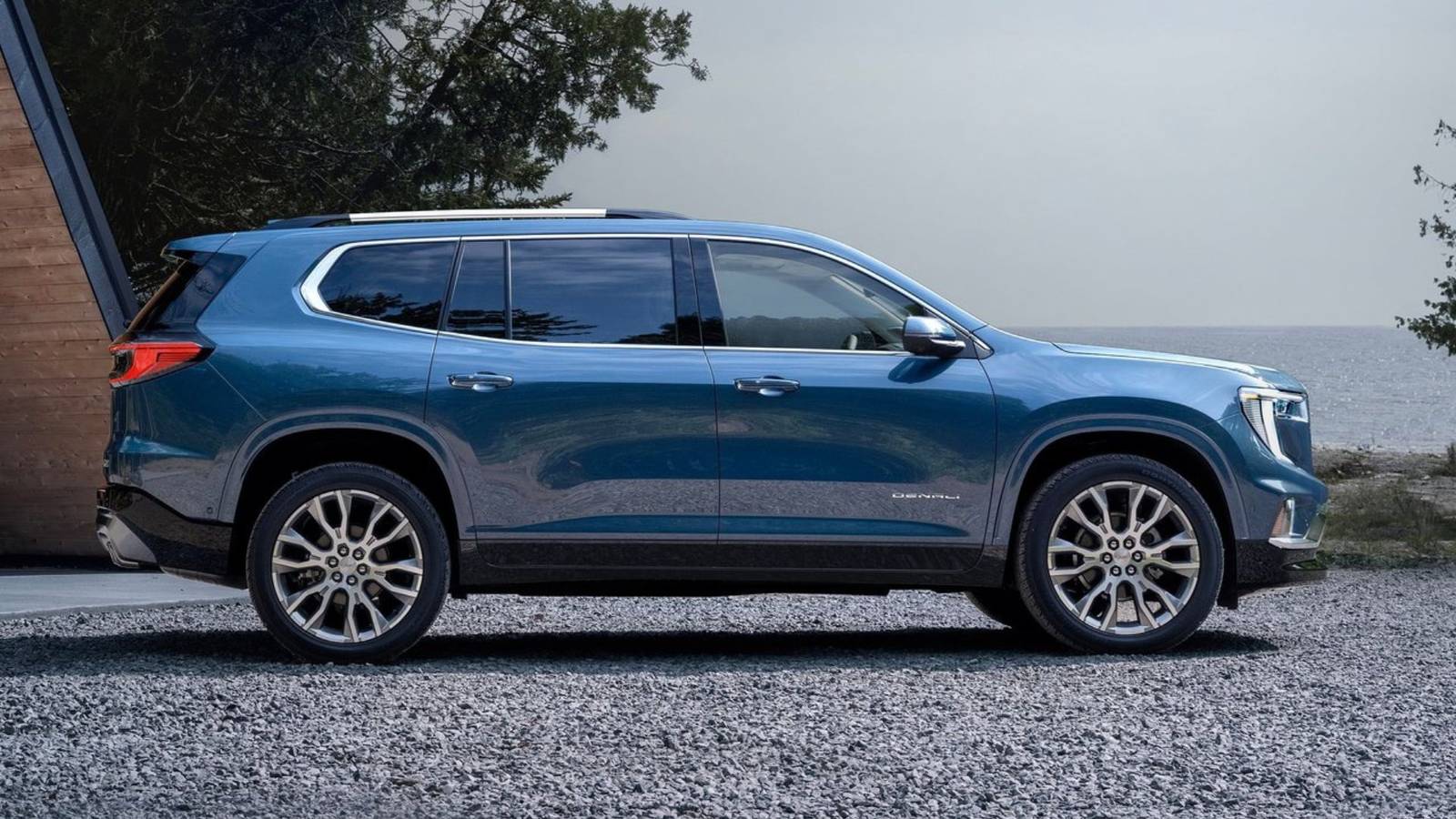
For modern families navigating the complexities of daily life, the search for the ideal vehicle often leads to a single, defining realization: space is no longer a luxury, but a requirement. Across the United States, the three-row SUV market has evolved from a niche category into a dominant force, fundamentally reshaping the automotive landscape. As families trade in traditional minivans for more versatile, high-clearance alternatives, manufacturers have responded by expanding their lineups to cater to this growing demand for multi-passenger utility vehicles.
This shift is not merely a trend. We see a direct reflection of changing consumer needs. As millennial families approach their peak income years, they are increasingly prioritizing vehicles that can seamlessly transition between daily school commutes, weekend excursions, and long-distance travel. The modern three-row SUV has become the quintessential “people mover,” designed to accommodate both active lifestyles and the logistical demands of growing households.
The Evolution of the Family Hauler
The transition away from the minivan segment has been well-documented by industry analysts. According to Tony Quiroga, editor-in-chief of Car and Driver, the minivan market has seen a steady decline, a space that has been effectively reclaimed by the surge in three-row SUVs and crossovers. This migration is driven by a desire for vehicles that offer the utility of a large family transport without sacrificing the aesthetic and performance characteristics that consumers now expect.
For many, the appeal lies in the versatility of the interior layout. Manufacturers have invested heavily in research to ensure these vehicles meet the specific requirements of families, from flexible seating configurations to advanced safety features. As noted by Jeffrey Lear, product manager of electric vehicles at Volkswagen of America, research consistently shows that families view the third row as an essential component, rather than an optional add-on.
Market Dynamics and Consumer Priorities
The expansion of this market segment is a strategic response to a clear consumer mandate. Ed Kim, president and chief analyst of AutoPacific, has observed that the sheer volume of three-row SUV entries currently available is a direct result of millennial consumers seeking reliable, large family vehicles. In this highly competitive space, brands that fail to offer a three-row option risk missing out on a significant portion of the marketplace.
Beyond basic capacity, the industry is seeing a push toward electrification and high-performance engineering within this segment. Whether through the introduction of iconic, nostalgic designs reimagined with electric powertrains or the development of vehicles that prioritize agility alongside size, the goal remains consistent: providing a comprehensive solution for the modern family. The integration of high-capacity batteries and advanced motor technology is allowing for larger vehicles that do not compromise on efficiency or driving experience.
What to Consider When Choosing a Three-Row SUV
When evaluating the options in this crowded space, it is helpful to look beyond the exterior design and focus on practical utility. Prospective buyers should consider the following factors:

- Seating Accessibility: How easily can passengers enter and exit the third row?
- Cargo Flexibility: Does the vehicle offer a flat loading floor when the third row is folded?
- Safety Technology: Are there advanced driver-assistance systems specifically designed for large, multi-passenger vehicles?
- Real-World Utility: Does the vehicle accommodate the specific gear—from sports equipment to camping supplies—that your family uses regularly?
As the market continues to mature, consumers can expect to see further innovations in interior packaging and powertrain efficiency. For those currently in the market, the breadth of choice is unprecedented, offering everything from entry-level utility to high-end, feature-rich luxury.
Looking Ahead
The trajectory of the three-row SUV suggests that this segment will remain a cornerstone of the automotive industry for the foreseeable future. As manufacturers continue to refine their offerings, the focus will likely remain on balancing size, performance, and efficiency. For families, the “overlooked” SUV that checks every box is often the one that best aligns with their specific, daily operational needs.
For those looking to stay informed on the latest vehicle safety ratings and fuel economy standards, the National Highway Traffic Safety Administration (NHTSA) and FuelEconomy.gov remain the most authoritative sources for independent, verified data. These resources provide the necessary transparency for consumers to make data-driven decisions in an ever-expanding market.
Have you recently transitioned to a three-row SUV for your family? We would love to hear about your experience and the features that mattered most to you. Join the conversation in the comments section below.
Keep reading