The landscape of digital advertising is undergoing a fundamental structural transformation. As of the second quarter of 2026, the era of the fragmented campaign tool—characterized by isolated media channels and disconnected software suites—is rapidly giving way to a new paradigm of integrated technology. Industry observers note that the most successful players in the current market are no longer just providing niche services; they are providing cohesive operating systems.
This shift represents a move away from the “point solution” model that dominated the previous decade. Instead, the advertising technology (ad tech) sector is gravitating toward platforms that can manage the entire advertising lifecycle within a single, unified environment. This evolution is driven by a critical need for efficiency, the increasing complexity of data privacy, and an unprecedented demand for demonstrable return on investment (ROI) from marketing departments worldwide.
As new industry benchmarks and rankings are released this quarter, the distinction between “tools” and “ecosystems” has become the primary metric for success. The market is no longer rewarding platforms that simply execute a single task, such as programmatic buying or creative resizing; the value has migrated to platforms that can harmonize data, automation, and creative execution into a seamless workflow.
The Rise of the Integrated Ad Tech Operating System
For years, marketers were forced to navigate a “tech stack” composed of dozens of disparate vendors. A typical workflow might involve one platform for data management, another for media buying, a third for creative asset production, and a fourth for measurement. This fragmentation often resulted in “data silos,” where valuable consumer insights were trapped within a single tool, making it impossible to achieve a holistic view of the customer journey.
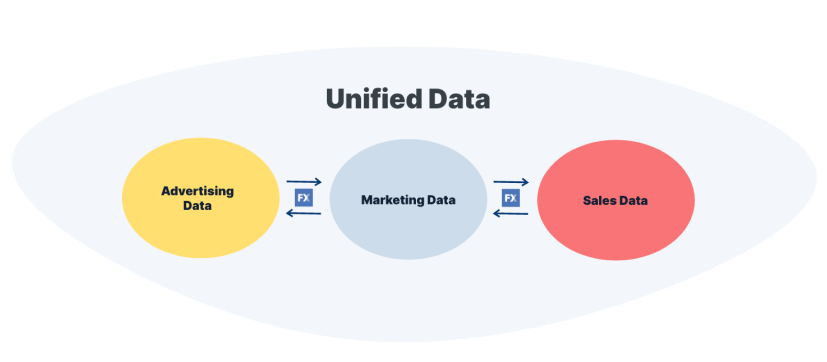
In 2026, the industry is seeing the emergence of platforms that function as comprehensive operating systems. These systems are designed to unify several core pillars of the advertising process:

- Data Unification: Consolidating first-party data, signal processing, and audience insights into a single source of truth.
- Automation: Streamlining the complexities of real-time bidding and media allocation through intelligent, automated workflows.
- Measurement and Attribution: Providing real-time feedback loops that connect campaign actions directly to business outcomes.
- Creative Execution: Integrating the production and deployment of assets directly into the media buying cycle.
By bringing these elements under one roof, these platforms reduce the “friction cost” of moving data between systems. This integration allows for a level of agility that was previously impossible, enabling brands to react to market shifts or consumer behaviors in near real-time.
AI-Driven Optimization and the Creative Lifecycle
At the heart of this unification is the rapid advancement of artificial intelligence. In the current market, AI is no longer a peripheral feature; This proves the engine that powers the entire advertising lifecycle. The integration of AI-driven optimization has fundamentally changed how campaigns are managed and scaled.
Modern platforms utilize sophisticated machine learning models to handle optimization tasks that were once manual and time-consuming. This includes predictive modeling to determine optimal bid prices, automated audience segmentation, and dynamic budget reallocation. However, the most significant impact is being felt in the intersection of data and creativity.
The industry is moving toward a model where creative execution is no longer a separate, static phase of a campaign. Instead, AI-driven platforms can now facilitate a continuous loop of creative iteration. By analyzing real-time performance data, these systems can suggest modifications to creative assets—such as adjusting imagery, copy, or call-to-action elements—to better align with what is currently driving engagement. This capability ensures that the creative component of an ad is as data-responsive as the programmatic component.
The Accountability Mandate: Solving the ROI Challenge
The push toward unification is not merely a technical preference; it is a response to intense economic pressure. As global markets remain volatile, the scrutiny on marketing spend has reached an all-time high. CMOs and CFOs are increasingly demanding granular, real-time proof of how every dollar of advertising spend translates into revenue.

Fragmented tools often struggle to provide this level of clarity. When measurement is handled by a separate vendor from the media buying platform, discrepancies in data and attribution “blind spots” are common. These gaps make it difficult for marketers to definitively prove the efficacy of their campaigns, leading to wasted spend and inefficient budget allocation.
Unified platforms address this by embedding measurement directly into the operational core. Because the same system that buys the media is also managing the data and the creative, the attribution models are inherently more accurate and transparent. This “closed-loop” approach allows for a much tighter connection between campaign activity and business impact, providing the high-fidelity reporting that modern enterprises require to justify their marketing investments.
Key Takeaways: The 2026 Ad Tech Landscape
- Shift to Ecosystems: The market is moving from specialized, single-function tools to all-in-one advertising operating systems.
- Elimination of Silos: Integration of data, creative, and media buying is reducing friction and improving campaign agility.
- AI as a Core Engine: Artificial intelligence is now central to both media optimization and the creative lifecycle.
- ROI-Centric Design: Platform architecture is being rebuilt to prioritize measurement and transparent attribution to meet high accountability standards.
As we move into the second half of 2026, the gap between companies utilizing unified ecosystems and those clinging to fragmented legacy stacks is expected to widen. For global brands, the ability to navigate this integrated landscape will likely become a primary determinant of competitive advantage in the digital marketplace.
We will continue to monitor official industry filings and quarterly performance reports from major technology providers for updates on market share and technological shifts. Please share your thoughts on these industry trends in the comments below, and subscribe to our newsletter for more deep dives into the global technology landscape.