
As health professionals continue to investigate the epidemiological origins of a recent hantavirus outbreak linked to the cruise ship MV Hondius, focus has shifted toward the travel history of the index patients. Understanding the transmission dynamics of this viral infection is a priority for global health authorities, particularly given the potential for person-to-person transmission associated with the Andes virus variant.
The investigation into the hantavirus cruise ship transmission began after a 70-year-old Dutch ornithologist and his 69-year-old wife fell ill during their travels. Public health data indicates that the couple had been traveling for five months prior to boarding the vessel in Ushuaia, Argentina, on April 1, 2026. This timeline has prompted national health ministries to coordinate with the World Health Organization (WHO) to trace their movements and identify potential exposure points along their route through South America.
Tracing the Path of Exposure
According to reports provided to the Argentine Ministry of Health, the couple’s itinerary included a stay in Montevideo, Uruguay, as of March 27. From there, they crossed the Río de la Plata to Buenos Aires before eventually reaching the southernmost port of Ushuaia. The primary goal of current contact tracing is to determine exactly where the couple may have been exposed to the rodent-borne virus, which typically spreads through contact with the urine, droppings, or saliva of infected rodents.
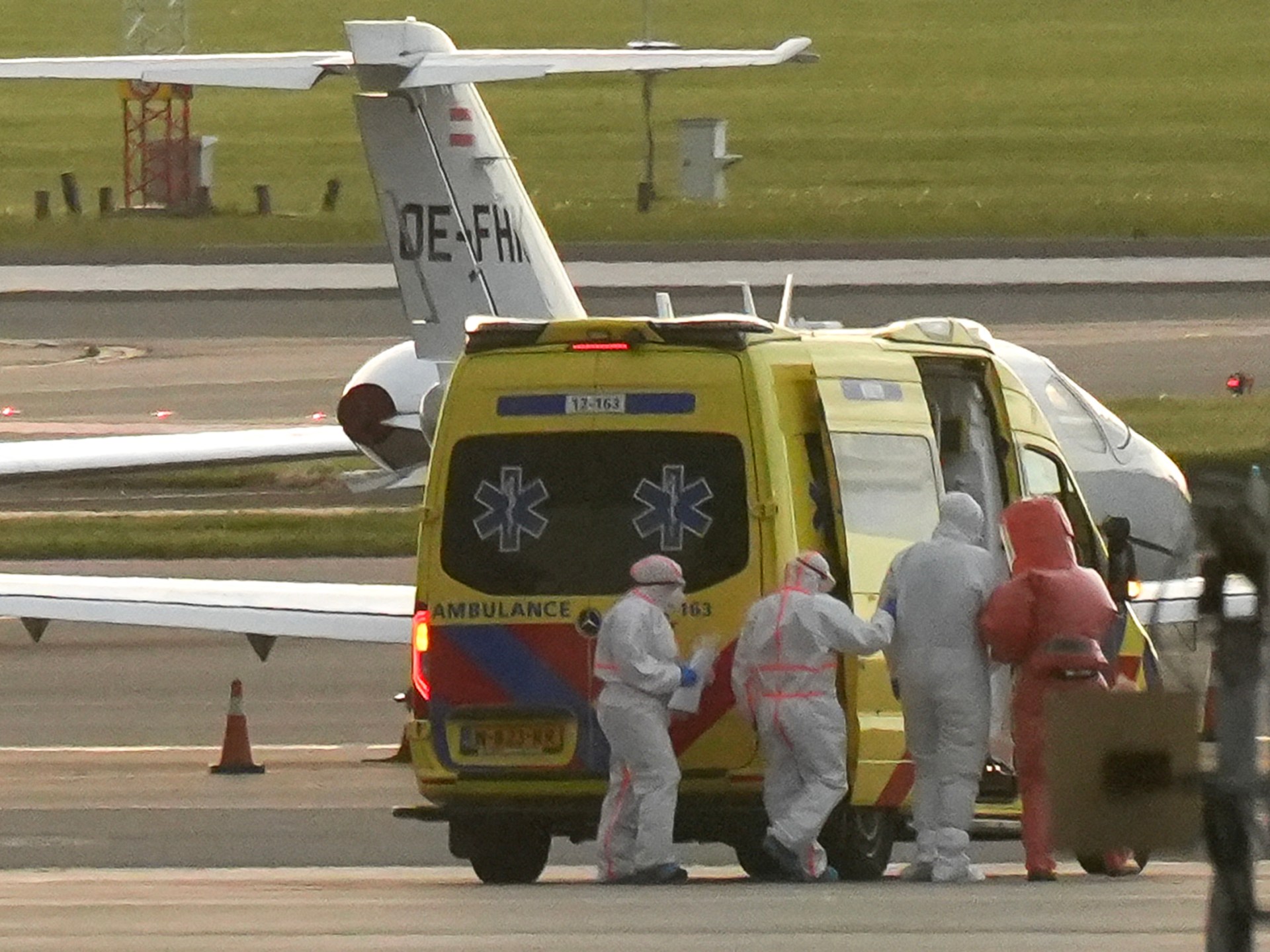
The Andes variant of hantavirus is particularly concerning to public health officials because, unlike other hantavirus strains, it has demonstrated the capacity for human-to-human transmission. This characteristic necessitated a broad international response, as the MV Hondius continued its voyage, potentially exposing passengers and crew to the pathogen. The alert, coordinated through the International Health Regulations (IHR) network, prompted health authorities in over a dozen countries to heighten their surveillance efforts.
Public Health Response and Surveillance
In response to the outbreak, the Argentine government has taken proactive measures to bolster diagnostic capabilities. The Ministry of Health recently announced the distribution of 2,500 diagnostic kits specifically designed to detect the Andes South hantavirus variant. These kits were dispatched to several countries, including Spain, Senegal, South Africa, the Netherlands, and the United Kingdom, ensuring that international partners are equipped to identify and manage potential cases among returning travelers.
Meanwhile, local authorities in Tierra del Fuego have emphasized that, as of mid-May 2026, there have been no confirmed cases or suspected instances of hantavirus reported within the province itself. Despite this, experts continue to stress the importance of environmental monitoring. Biologists and public health specialists are currently evaluating the need for expanded surveillance of local rodent populations near major transit hubs to rule out potential environmental reservoirs.
Key Considerations for Global Health
The incident has sparked a wider conversation regarding the safety protocols on maritime vessels. Some experts have proposed that cruise lines implement routine surveillance of onboard wastewater. By monitoring the biological signatures present in ship effluent, health organizations could potentially detect outbreaks of infectious diseases earlier, allowing for more rapid containment before vessels reach their next port of call.

- Transmission Risk: The Andes variant is unique in its potential for person-to-person spread, which complicates standard containment strategies.
- International Coordination: The WHO-coordinated IHR network remains the primary mechanism for sharing clinical data and travel histories during such emergencies.
- Diagnostic Readiness: The distribution of specialized testing kits to international partners is a critical step in preventing the global spread of the virus.
The investigation into the MV Hondius case remains active. As medical teams continue to analyze the clinical progression of the initial patients, the focus remains on ensuring that all passengers and crew who may have been exposed are monitored for respiratory symptoms. The symptoms of hantavirus can initially mimic common respiratory infections, making early clinical suspicion essential for successful treatment.

For those interested in the latest updates regarding international health alerts, the World Health Organization provides ongoing documentation through its official portal on Hantavirus. As we await further findings from the epidemiological investigation, We see vital that travelers maintain awareness of regional health advisories and practice standard hygiene precautions, particularly when visiting rural or wilderness areas where rodent populations may be present.
We will continue to track this developing story as more data becomes available from the national health ministries involved in the investigation. We encourage our readers to share this information with fellow travelers and to contribute to the discussion on how international health policy can better adapt to the challenges of modern, globalized travel.
Keep reading