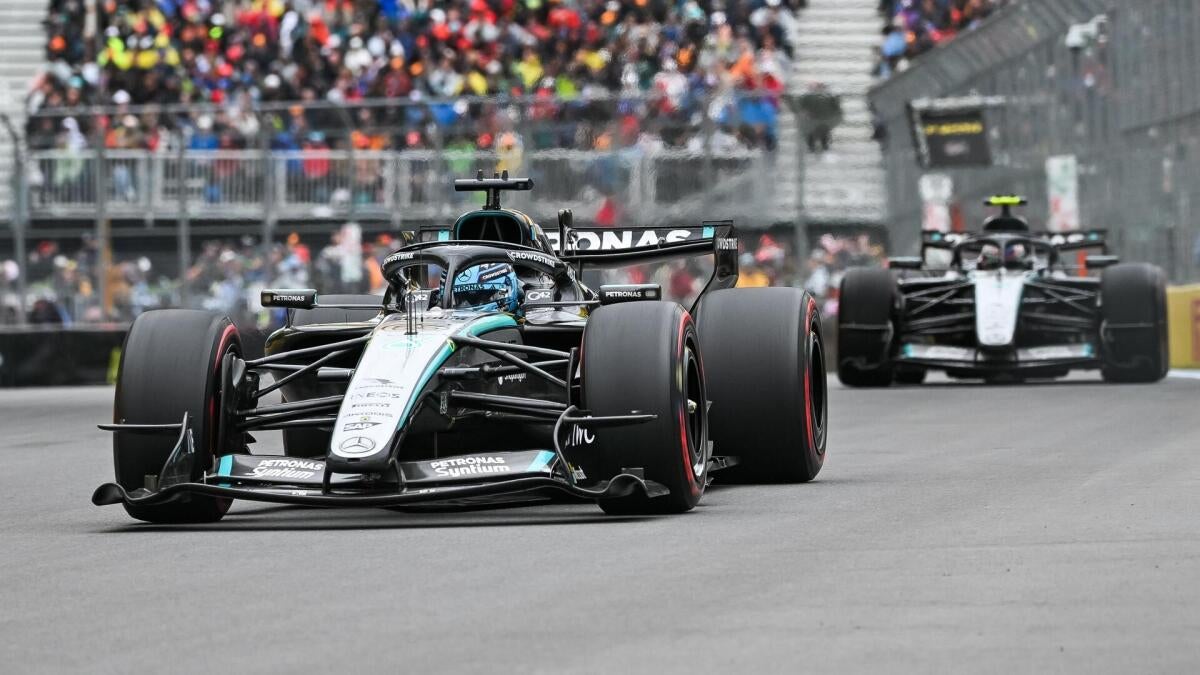
The 2026 Formula One season brings a radical technical overhaul, and anticipation centers heavily on the historic Hungaroring as teams navigate new power unit regulations and active aerodynamics. Formula One fans and analytical bettors scrutinize the 2026 Hungarian Grand Prix grid, odds, and start times as predictive racing models begin weighing top contenders like Red Bull Racing’s Max Verstappen, Mercedes’ Kimi Antonelli, and Ferrari’s Lewis Hamilton. With the sport entering a new era of sustainability and electrical power distribution, understanding the nuances of the starting grid and practice data is critical for making informed picks.
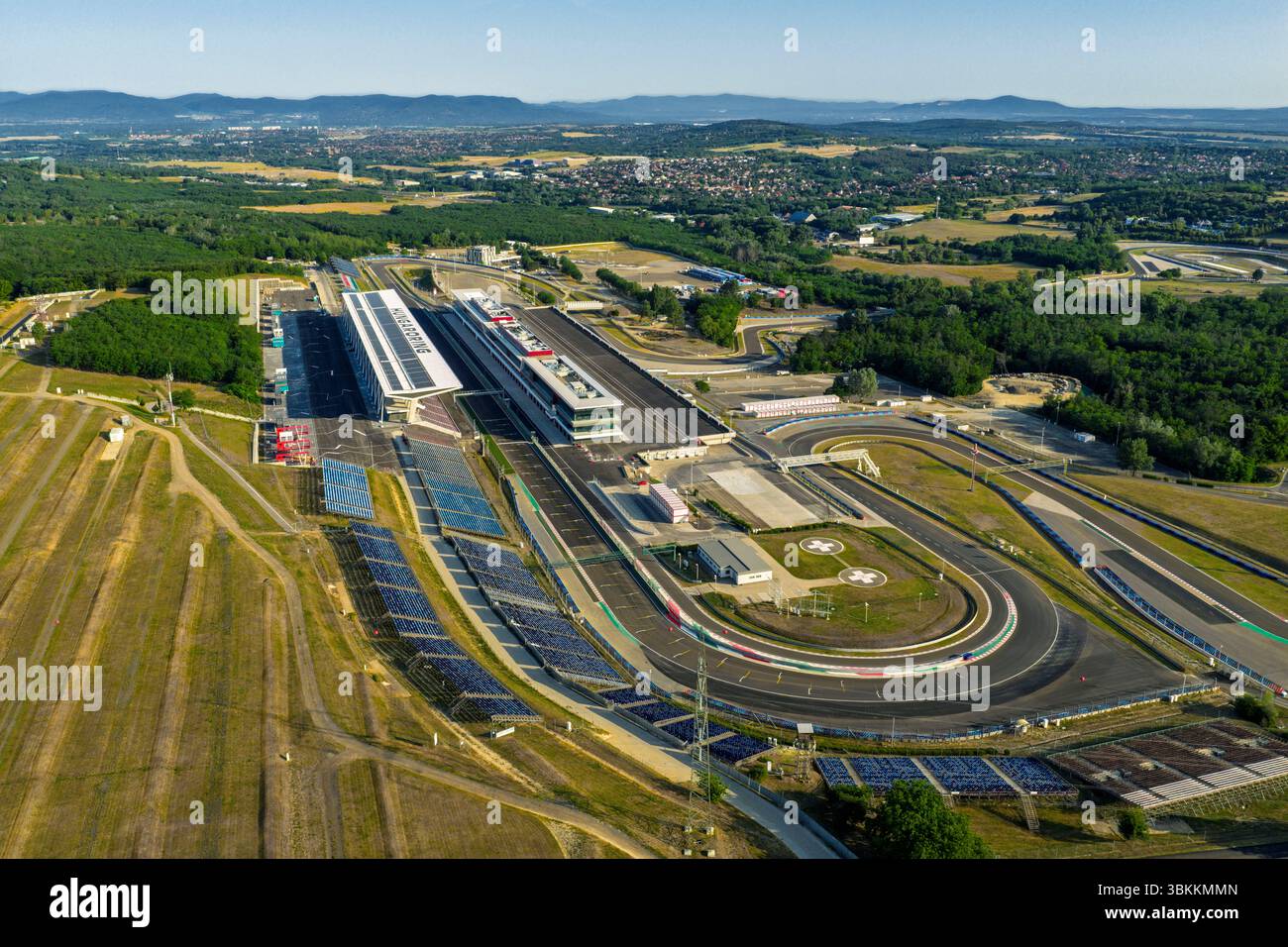
Formula One racing analytics have grown increasingly sophisticated, utilizing long-run pace data, tyre degradation metrics, and constructor development trajectories to forecast weekend outcomes. As the paddock arrives in Mogyoród near Budapest, predictive models factor in the unique tight and twisty nature of the 4.381-kilometer circuit, where overtaking traditionally proves notoriously difficult. Qualifying position often dictates race outcome at this venue, making Saturday’s grid-setting session one of the most vital hours of the European summer leg.
Carlos Mendes brings over 13 years of international sports reporting experience to this weekend’s analysis, breaking down what the data indicates for the front-runners and the midfield pack. Reviewing the schedule, odds shifts, and model projections helps enthusiasts track every session from Friday practice lights to Sunday’s grand prix start.
Understanding the 2026 Technical Regs at the Hungaroring
The 2026 season introduces entirely new power units featuring a near 50-50 split between internal combustion engines and electrical power, alongside active aerodynamic systems designed to reduce drag on straightaways. These radical regulation shifts change how cars handle tight, technical circuits like the Hungaroring. Teams must balance energy recovery and deployment carefully across the circuit’s 14 turns, where braking zones are frequent and cooling can become a limiting factor during hot July conditions.
Data models assessing constructor performance evaluate how well chassis packages adapt to the 2026 active aero protocols. Red Bull Racing approaches the weekend aiming to maximize power unit efficiency, while Mercedes works to harness its latest aerodynamic iterations. Ferrari, historically strong with traction out of slow corners, focuses on rear stability through the circuit’s sweeping middle sector. Analysts emphasize that practice sessions take on added importance as teams continuously update mapping software to optimize electrical deployment zones.
Evaluating the Contenders: Verstappen, Antonelli, and Hamilton
Max Verstappen remains a focal point for predictive simulations, with models highlighting his racecraft and Red Bull’s strategic flexibility under pressure. Even with sweeping regulatory changes altering car behavior, analytical projections consistently respect the reigning benchmark’s ability to extract maximum pace from tricky machinery on high-downforce tracks.
Mercedes features young rising talent Kimi Antonelli, whose adaptation to top-tier Formula One machinery draws close attention from data analysts and team strategists alike. Predictive models measure Antonelli’s progression through practice against established benchmarks, noting his speed in high-speed entries. Meanwhile, Ferrari’s Lewis Hamilton brings unmatched experience to the Budapest tarmac, a venue where the British driver holds multiple victories and an intimate understanding of how to manage tyre wear across a 70-lap distance.
Midfield challengers also influence model outputs, as constructor battles for championship points tighten under the new financial and technical constraints. Sauber, Alpine, McLaren, and Williams continuously introduce updates that alter the qualifying delta, making podium picks harder to lock in ahead of final practice.
Schedule, Start Time, and How to Watch the Hungarian Grand Prix
The 2026 Hungarian Grand Prix weekend follows the traditional European race format across three days of track action. Free Practice 1 and Free Practice 2 take place on Friday, giving engineers crucial telemetry data to adjust car setups for the high-downforce configuration required at the Hungaroring. Free Practice 3 and the knockout Qualifying session run on Saturday, determining the final starting grid before Sunday’s lights-out.
Fans wishing to follow official timing, weather updates, and FIA race documents can access real-time data through the official Formula 1 website (Formula 1 Official Website) or official broadcast partners holding regional transmission rights. Local session times adjust according to Central European Summer Time (CEST), and viewers should verify regional broadcast schedules via verified motorsport networks such as Sky Sports F1 or ESPN.
Next Steps and Session Checkpoints
The next major checkpoint for teams and analysts is the opening practice session on Friday morning, where initial aerodynamic packages and power unit settings undergo rigorous track testing. Following FP3 on Saturday morning, the qualifying hour at 16:00 local time will lock in the definitive starting grid, setting the stage for Sunday’s grand prix.

Share your thoughts on this weekend’s predictive picks and join the discussion in the comments section below.
Related reading