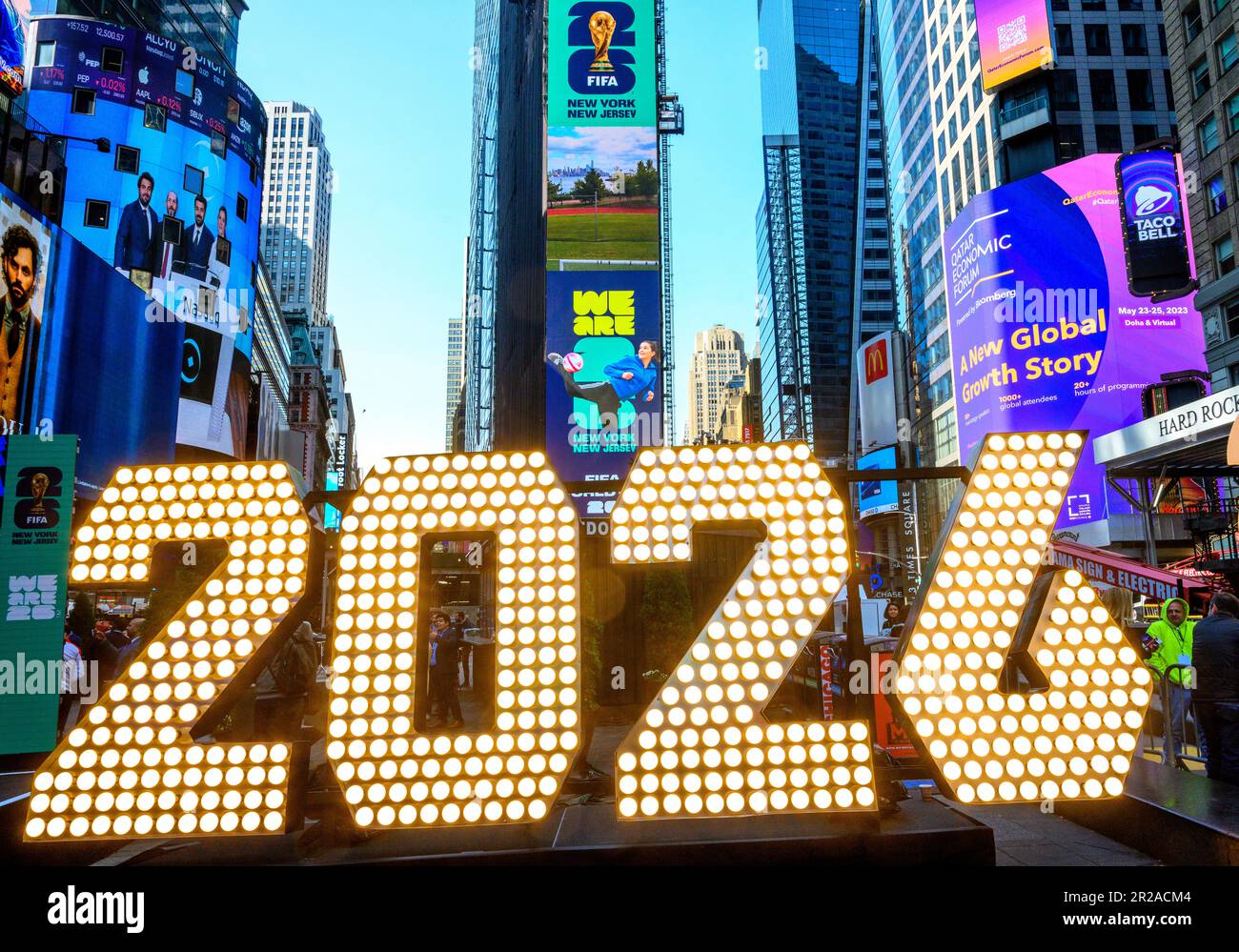
As the world prepares for the 2026 FIFA World Cup across Canada, Mexico, and the United States, health authorities are emphasizing the importance of routine vaccinations for travelers. With millions of fans expected to descend on host cities for the tournament, public health agencies are reminding international visitors to ensure their immunization records are up to date, particularly regarding measles, given the high volume of cross-border movement and large-scale public gatherings.
The 2026 tournament, which marks the 23rd edition of the men’s FIFA World Cup, is historically significant as the first to feature 48 teams and the first to be hosted by three separate nations, according to official FIFA tournament documentation. Because these matches will draw attendees from every corner of the globe, the potential for the transmission of vaccine-preventable diseases—such as measles—remains a standard consideration for international travelers attending mass sporting events.
Travel Health Safety and Vaccination
Public health experts typically advise that travelers confirm their immunity to measles, mumps, and rubella (MMR) well in advance of departure. Measles is a highly contagious viral disease that can spread rapidly in crowded environments. The U.S. Centers for Disease Control and Prevention (CDC) maintains guidance for international travelers, noting that measles remains common in many parts of the world, and unvaccinated individuals traveling internationally are at increased risk of contracting the virus.
For those attending the World Cup, the primary recommendation is to verify that their primary vaccination series is complete. In the United States, the CDC recommends that all people 6 months of age and older who will travel internationally be protected against measles. If an individual is unsure of their vaccination status, healthcare providers generally recommend receiving the MMR vaccine, which is highly effective at preventing infection.
The Scope of the 2026 Tournament
The 2026 FIFA World Cup represents a massive logistical undertaking. According to the official FIFA host city and venue guide, the tournament will be held across 16 host cities in Canada, Mexico, and the U.S. This geographic spread, combined with the expected influx of international spectators, creates a dynamic environment where health monitoring is a standard part of event planning.
Fans traveling to the event are encouraged to check the specific health requirements and travel advisories provided by the government agencies in their home countries, as well as those of the host nations. Staying informed through official government portals—such as the U.S. Department of State’s travel website or corresponding health ministries in Canada and Mexico—is the most reliable way to manage health risks during international transit.
Staying Informed During the Event
Health officials often stress that the best defense against communicable diseases during large events is proactive preparation. This includes carrying a copy of immunization records and knowing the signs and symptoms of common illnesses. For measles, these typically include a high fever, cough, runny nose, and a characteristic rash.
Travelers are also encouraged to utilize resources provided by the World Health Organization (WHO) and local health departments in the host cities. These organizations often provide localized updates regarding public health conditions in the weeks leading up to and during the tournament. By staying connected to these official channels, attendees can ensure they have the latest information to protect their health while enjoying the competition.
As the tournament dates approach, fans should continue to monitor official FIFA communications and public health bulletins for any changes to travel guidance or specific health protocols. For the latest developments regarding the tournament schedule and logistics, visit the FIFA World Cup 2026 portal. We welcome your thoughts on how international sporting events can better integrate public health awareness into their fan experience; please share your perspective in the comments below.
Related reading