
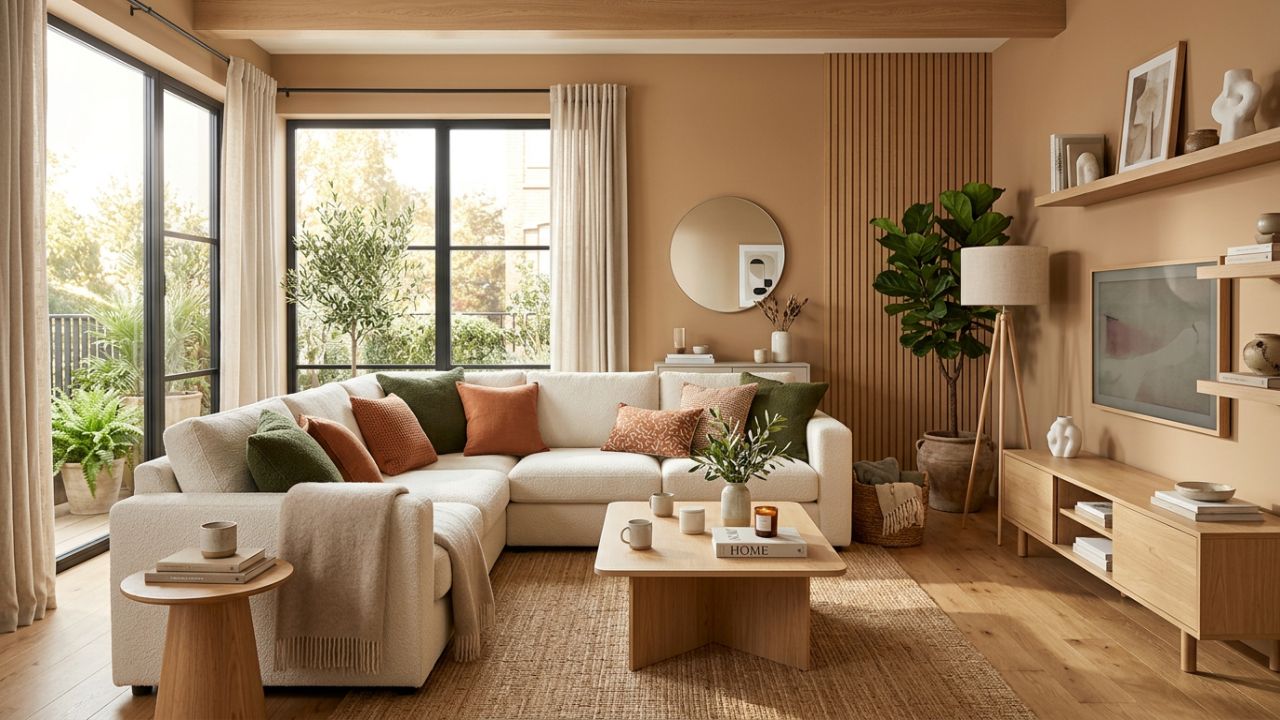
For years, the global interior design landscape was dominated by a sterile, almost clinical adherence to minimalism. The “less is more” mantra created spaces that were clean and functional, but often lacked a certain soul. However, as we move into 2026, a significant cultural shift is occurring within the home. Homeowners and renters alike are moving away from the polished perfection of the past decade in favor of spaces that feel lived-in, layered, and deeply personal.
This evolution is not a complete rejection of simplicity, but rather a sophisticated blending of styles. The overarching mood for 2026 is one of “homes with heart,” where character and comfort take precedence over architectural rigidity. From the rise of “Midimalism” to the strategic use of bold, sculptural elements, the current trends suggest a collective craving for individuality and warmth.
As a journalist who has spent over a decade analyzing the rhythms of high-performance environments in sports, I find the current shift in domestic design fascinating. Much like the move toward more holistic and personalized training in athletics, home design is becoming less about following a strict, universal playbook and more about tailoring the environment to the specific emotional and physical needs of the inhabitant. The 2026 interior design trends reflect a desire for sanctuaries that provide both mental respite and a bold expression of identity.
The Rise of Midimalism: Finding the Sweet Spot
One of the most defining movements of the year is “Midimalism,” a term describing the equilibrium between the austerity of minimalism and the exuberance of maximalism. Rather than choosing between a vacant room and a cluttered one, designers are now focusing on a “sweet spot” that maintains sensible design while incorporating joyful accents and patterns.

The data supports this shift toward personalized detail. According to a report by Yelp, there has been a dramatic surge in specific home improvement requests, with project requests for wallpapering increasing by 450% and searches for custom upholstery rising by 70% as reported by Forbes. This suggests that people are no longer satisfied with generic, mass-produced interiors and are instead seeking tactile, customized elements that add charm and individuality to their spaces.
Heather Mastrangeli, principal designer at Innovatus Design, notes that the industry has cycled through various pattern trends, but Midimalism allows for a more balanced approach. Mastrangeli advocates for sprinkling color over a natural base to create unity throughout a space, preventing a room from feeling “bland” by mixing subtle patterns—such as those on bedding—with bolder patterns on accent pillows and curtains via Forbes.
Bold Palettes and “Color-Maxxing”
The color stories of 2026 are moving far beyond the safe neutrals of beige and grey. We are seeing the emergence of “Color-Maxxing,” a trend that encourages the fearless use of vibrant hues to define a room’s identity. This boldness is particularly evident in the treatment of the “Fifth Wall”—the ceiling—which is being transformed from a standard white surface into a focal point of the room’s design.
Complementing this chromatic audacity is a return to “Rich and Edible Brown Tones,” which provide a grounding, organic warmth to the home according to Homes & Gardens. This shift suggests a move toward “Lived-in Luxury,” a philosophy that prioritizes comfort and personality over the “Quiet Luxury” trend of previous years, which often felt too polished or restrictive.
the concept of “Confidence Zones” is gaining traction. These are specific areas within a home designed to be intentionally bold, allowing inhabitants to experiment with daring colors and patterns without overwhelming the entire living space. This approach allows for a curated expression of style that feels intentional rather than chaotic.
Structural Shifts: Curves, Retreats, and the End of Open-Plan
The physical layout of the 2026 home is undergoing a structural rethink. The long-standing obsession with the wide-open floor plan is giving way to a preference for “small moments”—smaller, more intimate spaces that offer a sense of enclosure and purpose as detailed by Homes & Gardens.
This shift is manifested in several key ways:
- Pocket-Sized At-Home Retreats: The creation of small, dedicated zones for relaxation, reading, or meditation, reflecting a need for mental decompression.
- The Rejection of Straight Lines: A move toward organic, curved silhouettes in furniture and architecture, which creates a more fluid and welcoming atmosphere.
- The Fifth and Sixth Wall: Expanding design focus to include not only the ceiling (fifth wall) but also the integration of architectural elements that break the standard box-like feel of a room.
These changes indicate a move toward “Leisured Living,” where the home is structured to support a slower pace of life and a more mindful interaction with one’s surroundings.
Materials and Accents: From Statement Stones to Sculptural Light
The materiality of 2026 is characterized by a blend of the opulent and the industrial. “Statement Stones” are becoming bolder, with high-contrast marbles and dramatic veining used to create visual anchors in kitchens and bathrooms per Homes & Gardens. This is often paired with the return of “Chrome & Polished Metals,” which add a sharp, modern edge to the softer, organic elements of a room.
Lighting has also evolved from a mere utility to a form of art. “Sculptural Lighting” is now used to define the mood and geometry of a space, acting as a piece of installation art rather than just a light source. This is complemented by the return of decorative glass, adding texture and a vintage-inspired elegance to modern interiors.
For those leaning into a more romantic or historical aesthetic, “Regency & Rococo Romance” is making a comeback, bringing ornate details and a sense of grandeur back into the home, albeit in a way that feels updated for the modern era. When combined with “Pattern Drenching”—the application of a single pattern across multiple surfaces—the result is a space that feels immersive and highly curated.
Key Takeaways for 2026 Home Design
- Midimalism over Minimalism: The focus is on a balance between clean lines and joyful, personalized accents like wallpaper and custom upholstery.
- Emotional Architecture: A shift from open-plan layouts to “small moments” and “pocket retreats” that prioritize intimacy and mental well-being.
- Chromatic Courage: The use of “Color-Maxxing” on ceilings and the creation of “Confidence Zones” to express individuality.
- Tactile Luxury: A preference for “lived-in” spaces featuring rich brown tones, sculptural lighting, and bold statement stones.
As we look toward the remainder of the year, the trajectory of interior design remains clear: the home is no longer just a place of residence or a showcase of status, but a reflection of the inhabitant’s internal world. The move toward more organic shapes, bold colors, and intimate spaces suggests a broader societal shift toward prioritizing emotional health and personal authenticity over external perfection.

For those looking to update their spaces, the current trend cycle suggests that the most successful designs will be those that ignore rigid rules in favor of what feels genuinely comfortable and inspiring. Whether it is through a daring ceiling color or a cozy reading nook, the goal for 2026 is to create a home that feels truly lived-in.
We will continue to monitor how these trends evolve as more seasonal reports are released by design firms and consumer data platforms. We invite you to share your thoughts on these shifts—are you embracing the “Midimalism” movement or sticking to a more traditional style? Let us know in the comments below.