
Italian homeowners looking to improve the energy efficiency of their properties in 2026 can still access tax deductions for the installation of solar shading systems, commonly known as the bonus zanzariere. Under current Italian tax law, these installations qualify for the Ecobonus, provided they meet specific technical requirements regarding solar protection and energy savings, according to guidance from the Agenzia delle Entrate.
The bonus zanzariere is not a standalone subsidy but rather a component of the broader energy efficiency tax deduction framework. To qualify for the deduction, which typically allows homeowners to recover a percentage of their expenses over ten years, the installed screens must provide thermal protection and be permanently fixed to the building envelope. As noted by the Agenzia nazionale per le nuove tecnologie, l’energia e lo sviluppo economico sostenibile (ENEA), the primary requirement is that the screens must be classified as technical solar shading devices under the UNI EN 13561 standard.
Understanding Eligibility and Technical Requirements
Eligibility for the tax deduction depends on the technical performance of the materials installed. The screens must be adjustable and capable of protecting glass surfaces from direct sunlight, thereby reducing the need for air conditioning during summer months. Homeowners must ensure that the products they select carry the CE marking, confirming compliance with European safety and quality standards, as mandated by the Gazzetta Ufficiale della Repubblica Italiana.

Furthermore, the installation must be performed on existing buildings or building units of any cadastral category. New construction projects are generally excluded from this specific tax benefit. Property owners must ensure that the installation is registered through the ENEA portal within 90 days of the completion of the work or the testing of the installation, a critical step for validating the tax claim, according to official ENEA technical reporting procedures.
Financial Implications and Documentation
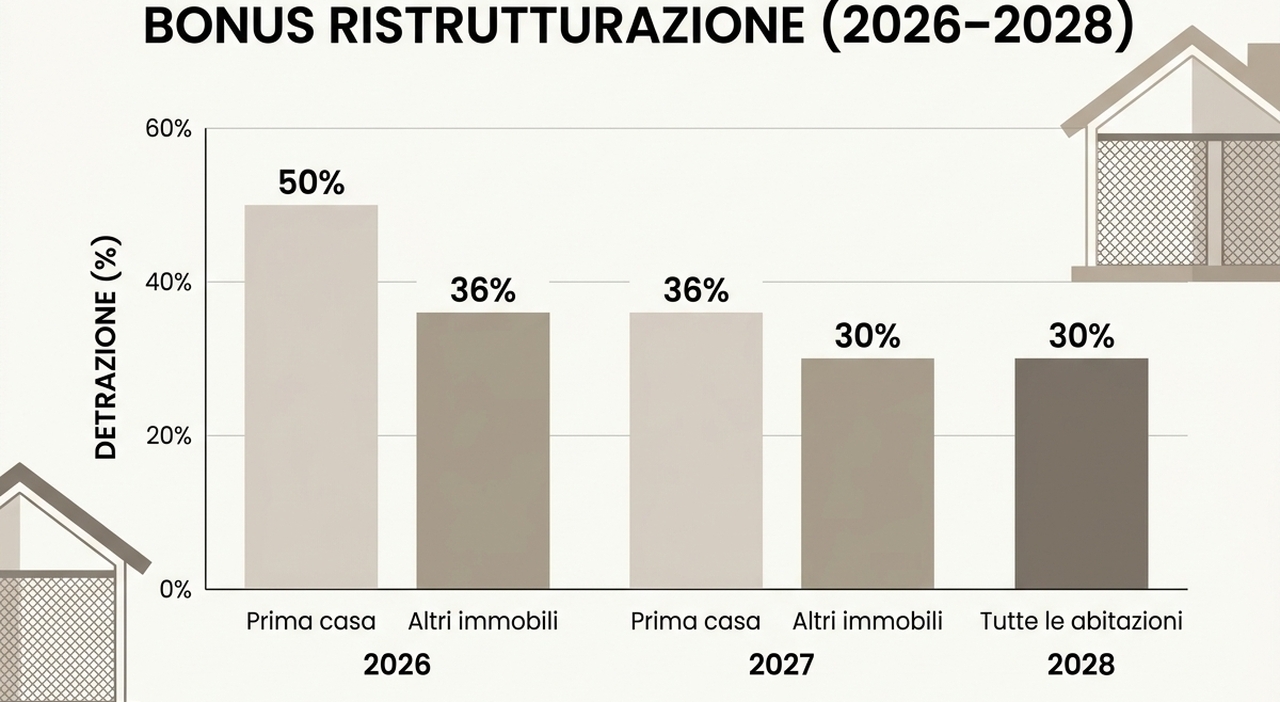
The financial benefit is structured as an Irpef deduction, meaning taxpayers can subtract a portion of the expenditure from their annual income tax liability. The exact percentage of the deduction is subject to annual budget adjustments and legislative decrees, which may vary based on the specific type of renovation project being undertaken. Taxpayers are advised to consult the Agenzia delle Entrate website for the most recent updates on deduction percentages and annual spending caps.

To successfully claim the deduction, homeowners must maintain rigorous documentation. This includes:
- The original invoice detailing the nature and cost of the work.
- Proof of payment via a “parlante” bank transfer (bonifico parlante), which must include the tax code of the beneficiary and the tax code or VAT number of the service provider.
- The transmission receipt of the technical documentation submitted to ENEA.
- Certification from the manufacturer confirming the technical specifications of the solar shading devices.
Comparing Energy Efficiency Incentives in 2026
While solar shading remains a popular choice for improving home comfort, it is often considered alongside other energy-saving measures. The following table summarizes the general characteristics of common residential energy incentives currently available under Italian law:
| Incentive Type | Primary Goal | Key Requirement |
|---|---|---|
| Bonus Zanzariere | Summer thermal protection | Must be technical solar shading (UNI EN 13561) |
| Bonus Condizionatori | Climate control efficiency | Must be heat pump systems with high energy class |
| Ecobonus Infissi | Reduced heat dispersion | Specific thermal transmittance (Uw) values |
As of June 2026, homeowners should verify if their local municipality or specific regional programs offer additional support for home renovations. Financial institutions continue to offer renovation loans tailored to these incentives, though interested parties should carefully review interest rates and amortization schedules before committing to long-term debt, as reported by various Bank of Italy financial literacy resources regarding consumer credit.
Next Steps for Homeowners
The next official update regarding tax deduction thresholds and potential policy shifts for the 2027 fiscal year is expected during the government’s autumn budget session. Homeowners planning installations should monitor the Ministero dell’Economia e delle Finanze for the publication of the annual financial law. For those currently undertaking renovations, keeping digital copies of all receipts and technical certifications remains the most effective way to ensure a smooth tax filing process.

Have you recently navigated the process of claiming energy-related tax deductions? Share your experiences or questions in the comments section below to help other readers stay informed on current regulatory requirements.