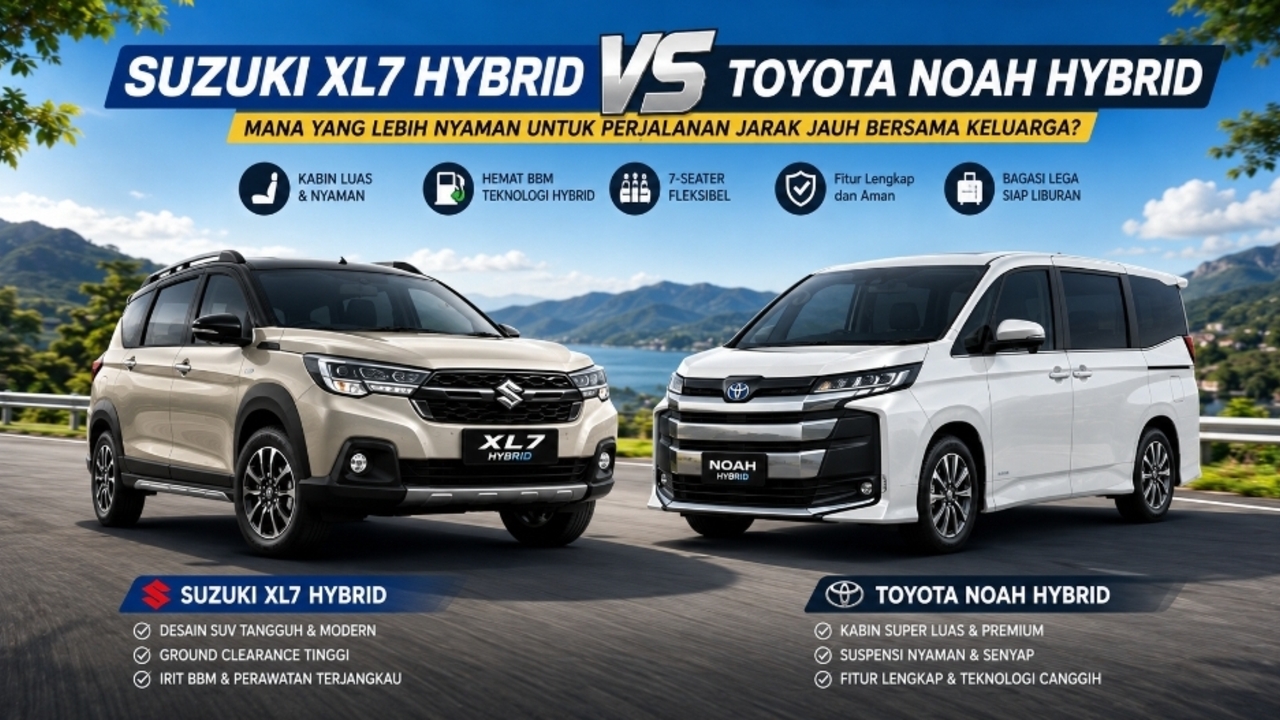
The global automotive landscape faces a pivotal shift as families and fleet operators weigh fuel efficiency against long-distance comfort, bringing models like the Suzuki XL7 Hybrid and the Toyota Noah Hybrid into sharp focus for 2026. Choosing the right multi-purpose vehicle for extended road trips involves balancing powertrain capabilities, cabin ergonomics, and cargo capacity. As automakers refine hybrid technology to meet stricter environmental standards and consumer demands for lower running costs, buyers exploring options ahead of major industry showcases like the Gaikindo Indonesia International Auto Show (GIIAS) must parse the distinct engineering approaches behind mild hybrids, full hybrids, and plug-in hybrid electric vehicles (PHEVs).
When evaluating long-distance travel contenders, understanding the underlying powertrain architecture is essential. According to industry guides published ahead of GIIAS 2026 by outlets such as GridOto, powertrain classifications range from Battery Electric Vehicles (BEVs) to Plug-in Hybrid Electric Vehicles (PHEVs), Hybrid Electric Vehicles (HEVs), Mild Hybrid Electric Vehicles (MHEVs), and Range-Extended Electric Vehicles (REEVs). Each configuration alters how a vehicle handles sustained highway speeds, fuel stops, and regenerative braking during heavy traffic congestion, making it critical for buyers to match their driving habits with the appropriate mechanical setup.
The Suzuki XL7 Hybrid utilizes a mild hybrid system designed to assist the internal combustion engine during acceleration and power onboard electronics, providing a cost-effective entry point for families seeking improved efficiency without a hefty price tag. In contrast, full hybrid systems like those found in Toyota’s larger MPV lineup rely on a more robust battery pack and electric motor combination capable of driving short distances on pure electricity alone. This distinction directly impacts fuel consumption during stop-and-go city commuting versus steady highway cruising, a primary consideration for motorists logging thousands of kilometers annually.
Powertrain Technologies Shaping the 2026 Family Car Market
Navigating dealership floors requires a clear grasp of how different hybrid systems function in daily use. Mild hybrid electric vehicles, or MHEVs, employ a compact integrated starter generator that recovers energy during deceleration, storing it in a small auxiliary battery to relieve the engine under load. While MHEVs generally offer a lower purchase price and simpler maintenance schedule, they cannot propel the vehicle on electricity alone. Full hybrids, or HEVs, feature larger high-voltage batteries and more powerful electric motors that seamlessly blend electric and gasoline propulsion, yielding significant fuel savings in urban environments while maintaining conventional refueling convenience.
For drivers prioritizing electric-only range without sacrificing long-distance touring flexibility, PHEVs have gained substantial traction. Market analyses from automotive trackers such as RiderTua indicate that the availability of PHEV options has expanded steadily through mid-2026. These vehicles allow owners to plug into standard electrical outlets or charging stations for daily commutes, while retaining a gasoline engine for extended cross-country journeys. However, buyers must weigh the higher upfront acquisition cost and the necessity of regular charging access against the potential fuel savings over time.
Vehicle selection for long-distance family travel also depends heavily on interior layout, seating flexibility, and ride compliance. While traditional internal combustion MPVs dominated past decades, the integration of hybrid battery packs often influences cargo floor height and third-row legroom. Automakers have responded by redesigning chassis platforms to accommodate electrified components beneath the floorboards, preserving cabin volume for luggage and passengers alike during extended voyages.
Comparing Practicality and Long-Distance Endurance
Evaluating long-distance capability involves more than fuel economy figures; cabin comfort, noise isolation, and suspension tuning play critical roles in reducing driver fatigue over multi-hour journeys. Full hybrid MPVs often deliver quieter low-speed operation due to frequent electric-only engagement, whereas mild hybrids rely more consistently on their gasoline engines, which remain audible under heavy acceleration. Fleet analysts note that prospective buyers should test-drive vehicles on mixed routes—combining congested urban arterials and open highway stretches—to accurately assess real-world performance.
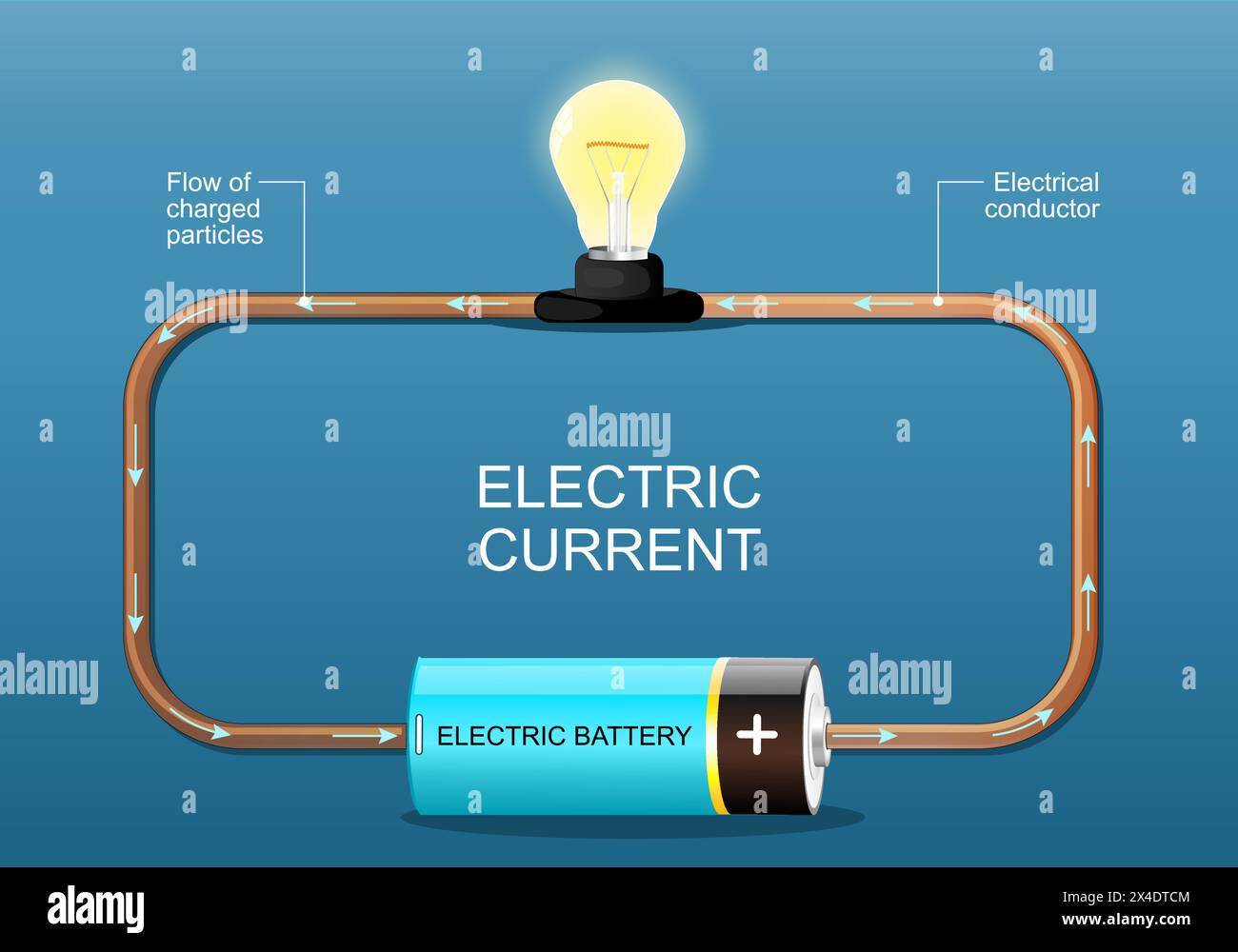
Furthermore, maintenance infrastructure and warranty coverage for high-voltage battery components remain decisive factors for long-term ownership. Major manufacturers typically offer dedicated warranties for hybrid batteries, assuring buyers concerned about the longevity of electrified powertrains. As consumer interest shifts toward sustainable family transportation, reviewing official specifications, dealer service networks, and independent automotive evaluations provides the most reliable foundation for making an informed purchasing decision.
Prospective buyers planning purchases are advised to consult official manufacturer specifications, verify dealership promotion details, and review updated safety ratings before finalizing agreements. For ongoing updates on automotive technology developments and upcoming vehicle releases, interested readers can follow trade publications and official manufacturer announcements leading into the remainder of the 2026 automotive calendar. We invite our readers to share their experiences with hybrid MPVs or join the discussion in the comments section below.
Keep reading