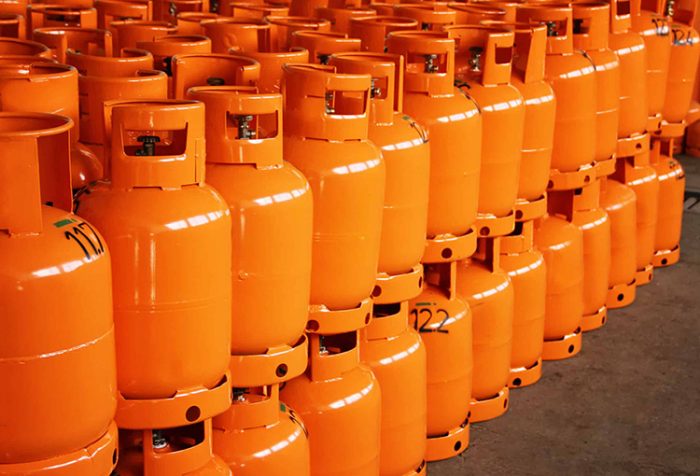
As the economic landscape shifts in 2026, the Chilean government has continued its focus on energy affordability, specifically through targeted support for households struggling with the rising costs of essential fuel. The Subsidio Gas Licuado (Liquefied Gas Subsidy) remains a critical tool for thousands of families, functioning as a direct voucher system designed to alleviate the financial burden of purchasing cylinder gas for heating and cooking. Understanding who is eligible, how to access these funds, and the timeline for distribution is essential for beneficiaries navigating these social support programs.
The program is administered under the umbrella of Chile’s social protection framework, managed by the Ministry of Social Development and Family. Unlike broad-based subsidies, this initiative is strictly means-tested, prioritizing the most vulnerable segments of the population as determined by the Registro Social de Hogares (RSH). By utilizing this unified database, the government ensures that vouchers reach those within specific socioeconomic brackets, particularly those currently residing in households with the lowest income indices.
Eligibility Criteria for the 2026 Gas Voucher
Eligibility for the liquefied gas subsidy is not universal. It is specifically calibrated to support households that meet rigorous criteria established by the government. Primarily, applicants must be registered in the Registro Social de Hogares. The subsidy is generally reserved for families within the lowest income brackets, often those falling within the first 60% of the socioeconomic vulnerability scale, though specific cut-offs can fluctuate based on annual budget allocations and regional policy adjustments.
To verify eligibility, citizens are encouraged to consult the official Registro Social de Hogares portal, where they can check their current status and socioeconomic classification. Because the system is automated, it is vital to ensure that all household information—including the number of members and current income levels—is updated. Discrepancies in the RSH data are the most common reason for the denial of energy benefits.
How the Voucher System Functions
The Subsidio Gas Licuado operates as a voucher or a direct discount mechanism that is applied at the point of purchase or via a pre-assigned digital credit. When a beneficiary qualifies, the discount is typically linked to their unique identification number (RUT). This prevents fraud and ensures that the subsidy is used exclusively for the purchase of liquefied gas cylinders from authorized distributors.

The logistical implementation involves coordination between the state and private gas distribution companies. Once a user is verified as a beneficiary, their information is transmitted to the relevant providers. Upon requesting a delivery or visiting a distribution point, the user presents their identification, and the system automatically applies the corresponding discount to the final price of the cylinder. It is important for consumers to verify whether their local provider is part of the current state-sanctioned network for the 2026 cycle.
Timeline and Distribution Cycles
The distribution of gas subsidies is generally seasonal, with increased focus during the winter months when the demand for heating rises significantly. While specific dates vary by region, the government typically announces the start of the subsidy cycles through the official Government of Chile website. Beneficiaries are advised to monitor official communications in the lead-up to the winter season to ensure they do not miss the window for application or voucher redemption.
Because the subsidy is a public resource, it is subject to parliamentary approval of the national budget. Any changes in the total amount allocated for the 2026 program are documented in the annual budget laws published in the Diario Oficial de la República de Chile. Keeping an eye on these official channels is the most reliable way to stay informed about potential extensions or modifications to the voucher amounts.
Key Takeaways for Beneficiaries
- Verify Registration: Ensure your status in the Registro Social de Hogares is current and accurate.
- Check Official Sources: Use only government domains (ending in .gob.cl) to verify eligibility to avoid phishing attempts.
- Authorized Distributors: Confirm that your gas provider is participating in the 2026 program before placing an order.
- Update Contact Info: Ensure your phone number and email are current in the government database to receive notifications about voucher availability.
As we move further into 2026, the government is expected to release updated performance reports regarding the reach and impact of these energy subsidies. These reports are typically filed with the Ministry of Energy and are accessible to the public, providing transparency on how funds are distributed and the number of households served. For those seeking immediate assistance, local municipal offices (Municipalidades) often have social workers who can assist residents in navigating the digital application process or resolving issues with RSH records.
We will continue to monitor official government announcements regarding the 2026 energy subsidy cycles. If you have questions about your specific case, please consult your local municipal social department or visit the official government help portals. We encourage readers to share this information with those who may benefit from these programs, and we welcome your comments below on your experience with the application process.
Keep reading