
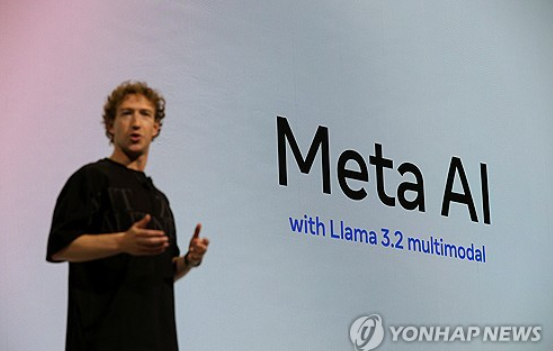
Meta Platforms Inc. Is navigating a significant shift in its business model, increasingly looking toward artificial intelligence as a cornerstone for long-term revenue diversification. As the parent company of Facebook and Instagram faces a maturing digital advertising market, executives are exploring how advanced generative AI capabilities can move beyond engagement tools to become direct revenue generators through subscription-based models.
This strategic pivot comes as the tech giant continues to pour billions into its infrastructure, specifically for the development of its Llama series of large language models and the integration of Meta AI across its ecosystem. While advertising remains the primary driver of Meta’s financial health, the company is under pressure to demonstrate that its heavy investment in AI research and hardware—most notably its procurement of NVIDIA H100 GPUs—will provide a tangible return on investment for shareholders, according to Meta’s latest quarterly earnings reports.
The Evolution of Meta’s Revenue Strategy
For over a decade, Meta has operated primarily on an ad-supported model, where user attention is monetized through targeted advertising. However, the current landscape of the tech industry, characterized by evolving privacy regulations and a cooling global ad market, has prompted a reevaluation of this dependency. By introducing AI-driven subscription services, Meta is effectively attempting to diversify its income streams, similar to strategies employed by competitors like OpenAI with ChatGPT Plus or Microsoft with Copilot Pro.
Industry analysts suggest that the introduction of paid AI tiers could provide a more stable, recurring revenue stream. This approach is not merely about selling access to tools; This proves about providing premium features, such as advanced creative assistance, personalized content generation, and enhanced business analytics, which can command a monthly fee. According to data reported by Reuters regarding Meta’s financial performance, the company has seen consistent growth in its ad revenue, but the diversification into enterprise AI services and premium consumer subscriptions represents a hedge against future volatility in the digital advertising sector.
Building the Foundation: The Llama Ecosystem
At the heart of Meta’s AI ambitions is Llama 3, the latest iteration of its open-weights large language model. By making these models available to developers and enterprises, Meta is positioning itself as a foundational layer in the AI revolution. Unlike some competitors that keep their models strictly closed, Meta’s “open” approach is intended to foster an ecosystem where third-party developers build applications on top of their infrastructure, which may eventually lead to service-based subscription revenue.
The company is also integrating AI directly into its platforms. Meta AI, the company’s virtual assistant, is being rolled out across WhatsApp, Instagram, and Facebook. While currently free for users, the infrastructure required to support millions of simultaneous queries is substantial. The potential for a “Meta AI Plus” or similar premium subscription remains a subject of intense speculation among market observers, though the company has not yet provided an official timeline for a comprehensive consumer subscription rollout beyond its existing verification services.
Market Challenges and Regulatory Hurdles
Transitioning to a subscription-based AI model is not without its challenges. Meta must contend with intense competition from established players like Google, Amazon, and OpenAI. The company faces ongoing scrutiny from global regulators regarding data privacy and the training of AI models on user-generated content. The European Union’s AI Act, which provides a comprehensive framework for the development and deployment of artificial intelligence, will play a critical role in how Meta designs its future services in one of its largest markets, as detailed in official documents from the European Commission.
Privacy advocates have raised concerns about how user data is utilized to train these models. Meta has attempted to address these issues by providing users with tools to opt out of certain data processing activities, yet maintaining trust while pursuing aggressive AI monetization remains a delicate balancing act. The company’s ability to successfully navigate these regulatory landscapes will be as vital to its growth as the technological sophistication of its AI models.
Key Takeaways for Investors and Users
- Strategic Pivot: Meta is shifting from a pure ad-revenue focus toward a hybrid model that includes AI-based services.
- Infrastructure Investment: The company continues to spend heavily on GPU clusters and data centers to maintain its competitive edge in generative AI.
- Open Ecosystem: The Llama 3 model is designed to encourage developer adoption, creating a potential pathway for enterprise-level subscription revenue.
- Regulatory Environment: Compliance with emerging frameworks like the EU AI Act remains a significant operational challenge for Meta.
Looking Ahead: What Comes Next?
As Meta continues to refine its AI offerings, the focus for the remainder of the fiscal year will be on scaling these services and proving their value to both enterprise clients and everyday users. The company is expected to provide further updates on its AI monetization strategy during its upcoming quarterly earnings calls. Investors and tech enthusiasts alike are watching closely to see if the company can convert its massive user base into a subscriber base for its AI-powered features.
For now, the strategy remains one of experimentation. Whether it is through enhanced business tools on WhatsApp or advanced creative features for Instagram influencers, Meta is clearly signaling that the future of its bottom line will be heavily influenced by its ability to package intelligence as a service. As we await the next official investor filing and company announcements, the tech community remains focused on how these tools will eventually reshape our digital interactions.
What are your thoughts on a subscription-based model for AI services? Do you believe the added value of advanced generative tools justifies a monthly fee? Share your perspectives in the comments below.