
The 2026 NFL Draft concluded with several teams walking away with questions about their decision-making, particularly regarding quarterback selections and roster construction. While the draft is inherently unpredictable, certain choices by the Jacksonville Jaguars, San Francisco 49ers and Atlanta Falcons have drawn scrutiny from analysts and fans alike for deviating from perceived best value or addressing critical needs. Evaluating these moves requires looking beyond the immediate headlines to understand the strategic rationale—or lack thereof—behind each pick.
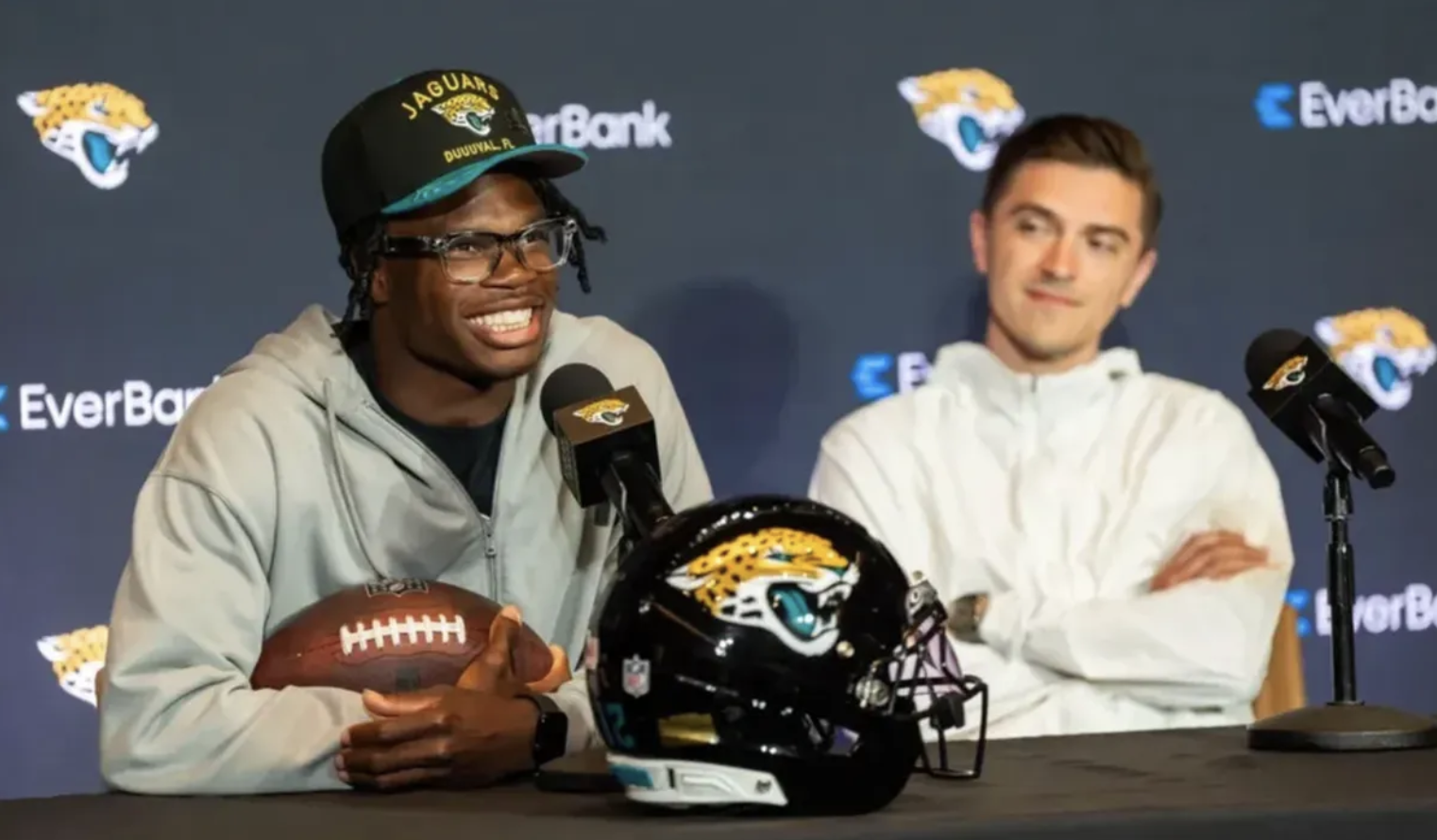
Among the most debated selections was the Jacksonville Jaguars’ decision to trade up in the first round to select a quarterback, a move that surprised many given their recent investment in Trevor Lawrence. The Jaguars surrendered significant draft capital to move into the top 10, selecting a passer widely projected to be available later in the draft. Critics argued this represented a lack of patience with Lawrence, who is entering his fifth season and showed promise in 2025 despite inconsistent surrounding talent. However, Jaguars head coach Liam Coen defended the pick, stating the team identified a rare talent capable of pushing Lawrence and providing a long-term successor plan, emphasizing internal evaluations over public projections.
The San Francisco 49ers faced criticism for their handling of the quarterback position during the draft, opting not to select a passer despite ongoing uncertainties around Brock Purdy’s long-term status as the starter. Purdy, coming off an injury-plagued 2025 season, has yet to sign a long-term extension, and the 49ers’ decision to stand pat at quarterback raised eyebrows given the depth of talent available. Instead, San Francisco doubled down on defensive and offensive line assist, selecting players aimed at reinforcing their Super Bowl-contending core. General manager John Lynch later explained that the organization remains confident in Purdy’s ability to lead the team and views quarterback development as a multi-year process not solely dependent on draft selection.
Perhaps the most controversial moves came from the Atlanta Falcons, who made multiple selections that deviated sharply from consensus big boards. The Falcons traded up to draft a tight end in the second round despite having invested heavily in the position during free agency, a decision questioned due to other pressing needs on defense and at wide receiver. Atlanta selected a running back in the third round when the team already features a high-priced, feature back in the backfield. Falcons head coach Raheem Morris acknowledged the unconventional nature of the picks but stressed the team’s belief in the specific skill sets of the players chosen, arguing they fill unique roles in the team’s offensive scheme that may not be apparent from traditional positional evaluations.
Assessing whether these teams truly “screwed up” requires acknowledging the inherent uncertainty of the NFL Draft. Player development, coaching fit, injuries, and scheme compatibility all play massive roles in determining a pick’s success—factors unknown at the time of selection. What may seem like a reach or a redundancy today could prove prescient if a player develops into a Pro Bowler or fills a critical niche. Conversely, passes on highly touted prospects can haunt franchises for years if those players excel elsewhere.
the judgment on these draft decisions will unfold over the next several seasons. For the Jaguars, the success of their quarterback investment hinges on the development of their young passer and Lawrence’s continued growth. The 49ers’ faith in Purdy will be tested by his health and performance in 2026 and beyond. The Falcons will need their unconventional selections to translate into on-field impact to justify deviating from roster equilibrium. As with all drafts, time is the only true arbiter of value, and what looks like a mistake in April may look like a stroke of genius by January—or vice versa.