
The battle for North Carolina’s U.S. Senate seat has entered a high-stakes phase following the primary elections, with a significant financial divide emerging between the two frontrunners. As the general election looms, Roy Cooper far outraises Michael Whatley in North Carolina Senate race, creating a massive cash disparity that could shape the trajectory of one of the most closely watched contests in the 2026 cycle.
Former Governor Roy Cooper, representing the Democrats, and former Republican National Committee chair Michael Whatley have both secured their respective party nominations. The race is now viewed as a pivotal encounter in a battleground state that may ultimately determine which party secures control of the U.S. Senate in 2026.
While both candidates entered the general election with established political profiles, recent financial reports indicate a stark contrast in their war chests. This funding gap arrives as national political analysts begin to shift their outlook on the race, moving it from a dead heat to a more defined advantage for the Democratic camp.
Primary Victories Set the Stage
The path to the general election was cleared on April 9, 2026, when primary results confirmed that both Cooper and Whatley had successfully fended off lesser-known challengers according to live results. In the Democratic primary, Roy Cooper dominated the field, securing 92% of the vote, leaving challengers Justin Dues and Marcus Williams with minimal support.
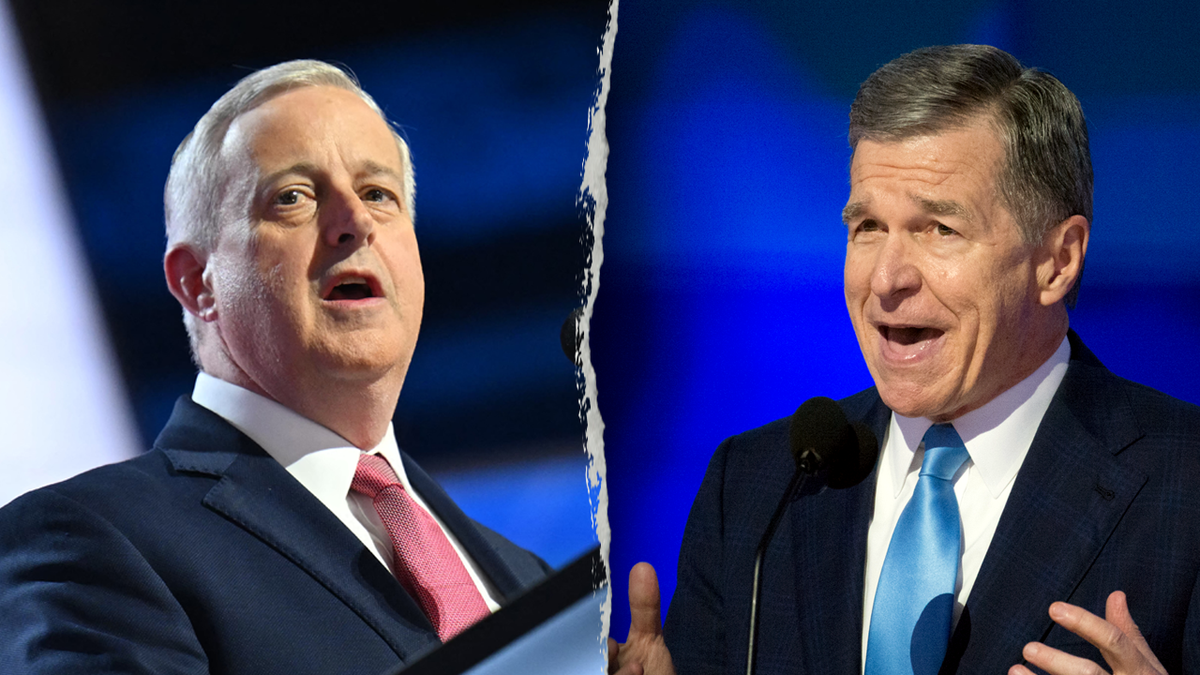
On the Republican side, Michael Whatley emerged as the projected winner, capturing 64.6% of the primary vote per primary data. Whatley faced competition from Elizabeth Temple, Donald Brown, and Thomas Johnson, but maintained a commanding lead across most counties, including strong showings in Alamance and Alexander counties.
The Fundraising Gap and Financial Disparity
Following the primaries, the focus has shifted to the financial resources available to each campaign. Recent reports from mid-April 2026 highlight that Roy Cooper continues to significantly outpace Michael Whatley in fundraising as of April 15. This disparity in cash on hand provides the Cooper campaign with a substantial advantage in purchasing advertising, organizing grassroots operations, and scaling outreach efforts across the state.
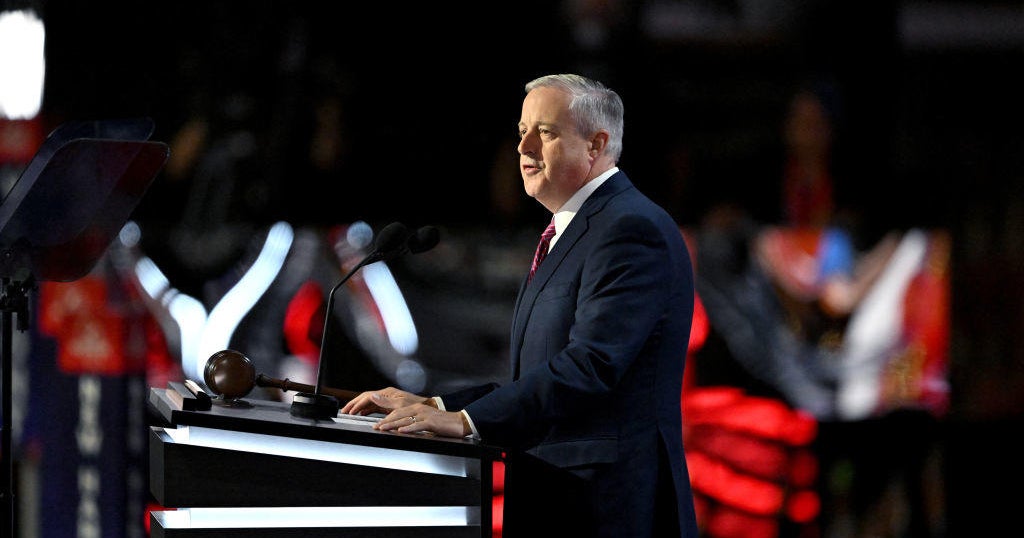
In modern Senate campaigns, particularly in battleground states, the ability to outspend an opponent often allows a candidate to define the narrative early and respond more aggressively to attacks. With the current funding trajectory, the Democratic campaign is positioned to maintain a high level of visibility as the race intensifies.
Analysis: A Shift to ‘Lean Democrat’
The combination of fundraising strength and shifting national trends has led to a change in how political analysts view the contest. The Cook Political Report has officially shifted the North Carolina Senate race out of the “toss-up” category and now rates it as “Lean Democrat” according to a recent analysis.
According to the report, this shift is driven by several key factors:
- An increasingly sour national political environment for Republican candidates.
- Shifting voter sentiment within key battleground states.
- Early indicators that favor Democratic candidates in competitive races.
The “Lean Democrat” designation indicates that while the race remains competitive, the Democratic party currently holds a distinct advantage. This rating is particularly noteworthy given that historical academic research suggests the Cook Political Report has a success rate of more than 80% in correctly predicting races when assigning a “lean” rating per the analysis.
Why This Race Matters Globally
For international observers, the North Carolina race is more than a local contest; it is a barometer for the political climate of the United States. Because North Carolina is one of a handful of states that could decide the balance of power in the Senate, the outcome will likely influence U.S. Foreign policy, judicial appointments, and legislative priorities for the coming years.
The fact that Roy Cooper far outraises Michael Whatley in North Carolina Senate race suggests a strong mobilization of Democratic donors, while the “Lean Democrat” rating reflects a broader trend of volatility for the GOP in swing regions.
Key Takeaways: NC Senate Race 2026
- Primary Results: Roy Cooper (D) and Michael Whatley (R) secured their nominations on April 9, 2026.
- Financials: Roy Cooper holds a massive fundraising lead over Michael Whatley.
- Rating Shift: The race has moved from “Toss-up” to “Lean Democrat” by the Cook Political Report.
- Strategic Importance: North Carolina is a critical battleground state for determining overall Senate control.
Despite the current advantages for Cooper, analysts stress that the race is far from decided. As campaigning ramps up and outside spending increases, the dynamics could shift again. Voters in North Carolina are known for their independence, and the final result will depend on how effectively each candidate can pivot from their primary base to the general electorate.
The next major checkpoint for the race will be the upcoming quarterly campaign finance filings, which will provide a more detailed look at the exact dollar amounts raised and spent by both the Cooper and Whatley campaigns.
Do you believe fundraising leads are the primary indicator of success in modern Senate races, or does voter sentiment override the money? Share your thoughts in the comments below.
Related reading