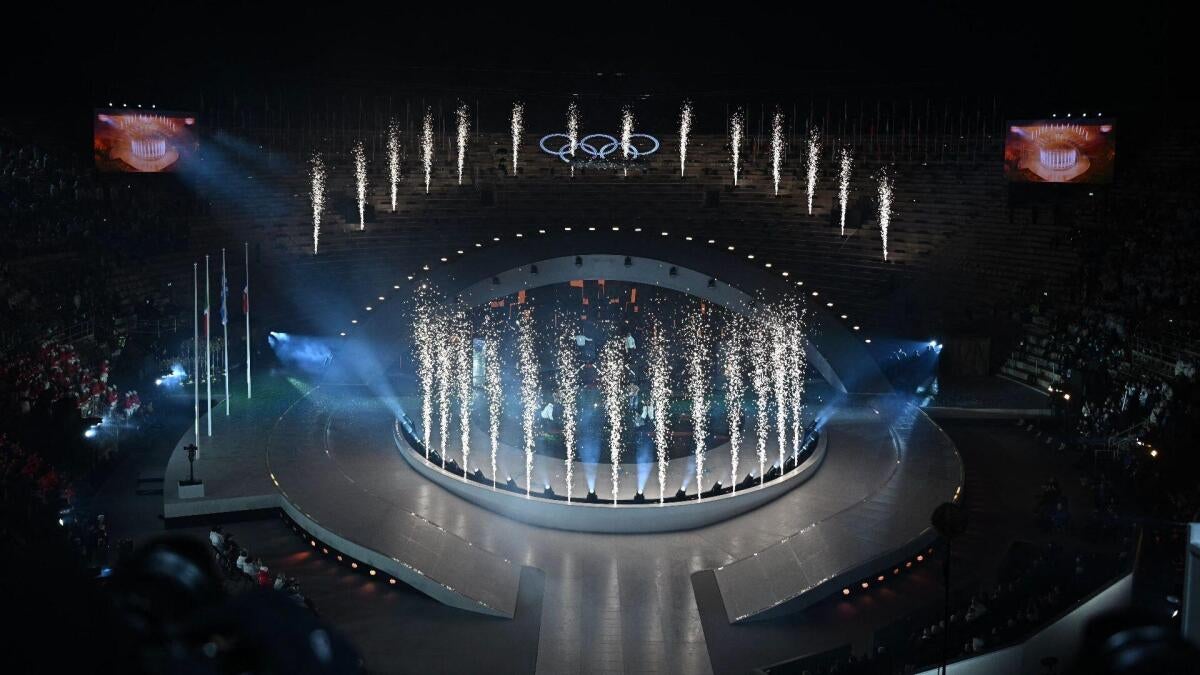
The 2026 Winter Olympics concluded in a vibrant display of Italian culture at the historic Verona Arena, marking the official end of the Milan Cortina Games. The closing ceremony, held in the ancient Roman amphitheater, served as a symbolic handover to the hosts of the 2030 Winter Games, the French Alps, while celebrating the athletic achievements and cultural spirit of the Italian-hosted competition according to the International Olympic Committee (IOC).
As the flame was extinguished, the ceremony highlighted Italy’s artistic heritage, blending classical tradition with the modern vitality of the host cities, Milan and Cortina d’Ampezzo. The event acted as the final chapter for a Games that utilized iconic venues across Northern Italy, spanning from the skating rinks of Milan to the alpine slopes of the Dolomites, as documented by the official event portal.
Verona Arena: The Stage for the Grand Finale
The choice of the Verona Arena for the closing ceremony provided a stark contrast to the high-tech, modern indoor arenas used during the Games. Built in the first century AD, the amphitheater offered a historic backdrop that emphasized the endurance of Italian culture. Producers focused on a narrative of transition, moving from the competitive intensity of the previous two weeks to a unified celebration of international sport.

According to reports from Reuters, the production featured local performers, musicians, and dancers who showcased the history of the Veneto region. The ceremony served not only as a farewell to the athletes but also as a showcase for Italian craftsmanship and design, which were central themes of the Milan Cortina organizing committee’s vision for the event.
The Olympic Handover to the French Alps
A central component of the closing ceremony was the formal transfer of the Olympic flag. Following the tradition of the Olympic Charter, the Mayor of Milan and the Mayor of Cortina d’Ampezzo participated in the handover ceremony, passing the flag to the representatives of the 2030 host region, the French Alps. This sequence confirms the official shift in the Olympic cycle, as overseen by the International Olympic Committee.

The French delegation presented a segment highlighting the landscapes of the French Alps, setting the stage for the next cycle of winter sports development. This moment of transition is a required procedural step for all Olympic Games, ensuring continuity between host nations as specified in the official 2030 host city documentation.
Highlights and Cultural Performances
The artistic program drew heavily on the operatic tradition of Verona, famously home to the annual Arena di Verona Festival. Performers utilized the ancient stone structure to project light displays and choreography that bridged the gap between the Roman era and the digital age of 2026. The ceremony prioritized the human element of the Games, focusing on the volunteers and the local communities in Lombardy and Veneto who facilitated the event.
Beyond the cultural displays, the ceremony included the final parade of athletes, who entered the arena together—a long-standing Olympic tradition intended to symbolize global unity. The atmosphere was described by attendees as a celebration of the resilience of the athletes, many of whom competed in challenging weather conditions throughout the alpine events in the Dolomites.
Legacy of the 2026 Milan Cortina Games
The 2026 Winter Olympics were defined by a decentralized model, with events spread across multiple clusters in Northern Italy. This approach was designed to maximize the use of existing infrastructure, a key sustainability goal emphasized by the IOC’s Olympic Agenda 2020+5. By avoiding the construction of massive new venues, the organizers aimed to set a precedent for future mid-sized host cities.

As the athletes depart and the temporary infrastructure is decommissioned, the focus now turns to the long-term impact on the regional economy. The Italian government and local authorities have stated that the Games were intended to boost tourism and modernize transport links between Milan and the mountains, according to the official government archives.
What Happens Next for the Olympic Movement
With the flame extinguished in Verona, the focus of the international sporting community shifts toward the preparations for the French Alps 2030 Games. The next major milestone for the Olympic movement is the ongoing evaluation of the sustainability reports from the 2026 organizers, which will be published by the Olympic Games Knowledge Management unit in the coming months.
Athletes are now transitioning into their respective world cup seasons or taking scheduled recovery periods. Fans and spectators interested in the official record of the 2026 Games, including medal counts, athlete biographies, and high-resolution media, can access the permanent archives via the Olympic World Library. We encourage readers to share their favorite memories from the Milan Cortina Games in the comments section below.
Worth a look