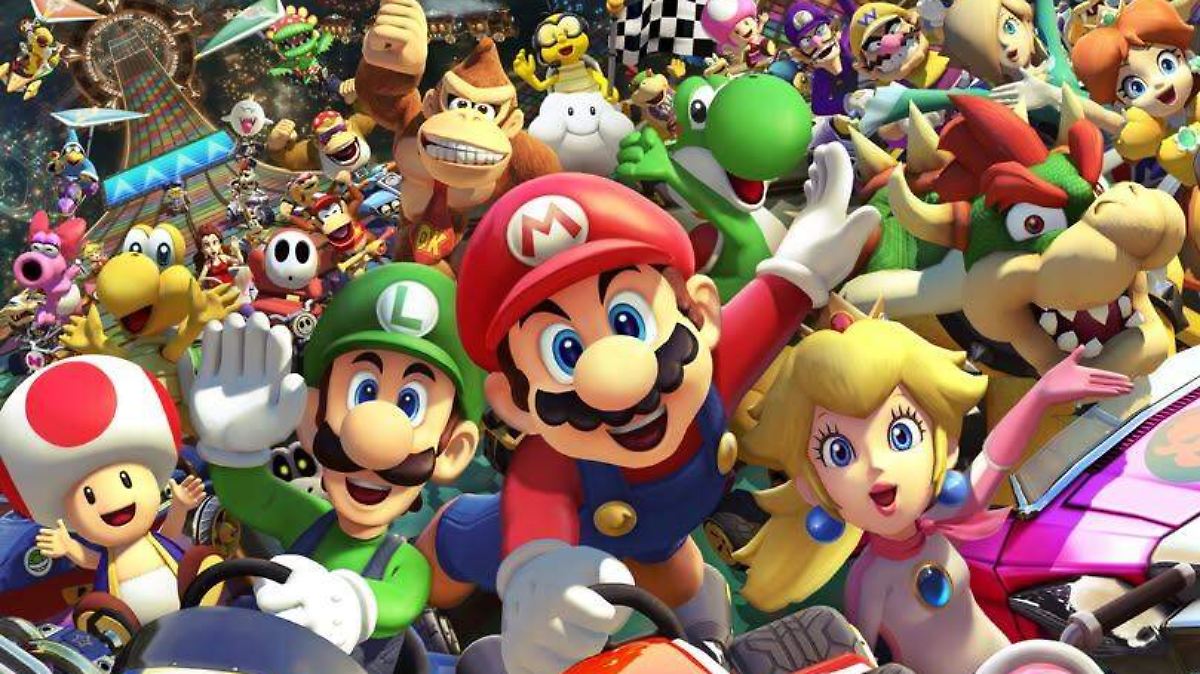
For decades, Nintendo’s flagship franchises—Mario, The Legend of Zelda, and Pokémon—have served as cultural touchstones, evolving from simple 8-bit experiences into global multimedia powerhouses that bridge generational divides. These intellectual properties have successfully transitioned from home consoles to the silver screen, immersive theme park attractions, and diverse digital platforms, cementing their status as foundational elements of modern pop culture. According to Nintendo’s official corporate strategy, the company’s long-term goal is to expand the reach of its characters beyond gaming to increase the total number of people who have access to Nintendo-developed entertainment according to Nintendo’s Corporate Management Policy.
The Evolution of Gaming into Transmedia Franchises
The expansion of Nintendo’s primary brands is a deliberate business strategy that prioritizes the longevity of its characters. While Mario debuted in 1981 in the arcade game Donkey Kong, the character has since transcended his origins to become a global icon recognized across multiple age groups as detailed in the company’s official history portal. This transition is perhaps best exemplified by the 2023 release of The Super Mario Bros. Movie, which grossed over $1.3 billion at the global box office, demonstrating the massive commercial viability of gaming IP in film per Box Office Mojo data.
This strategy of “transmedia” engagement—where a single intellectual property exists simultaneously as a video game, a movie, and a physical destination—allows these franchises to maintain relevance. By integrating characters into daily life through experiences like the Super Nintendo World expansion at Universal Studios, Nintendo ensures that the emotional connection players form as children persists into adulthood. This continuity is a key factor in why these sagas remain popular across different age demographics, often shared between parents who grew up with the original consoles and their children who engage with the latest iterations.
Pokémon: A Case Study in Longevity and Connectivity
Few franchises have achieved the cultural saturation of Pokémon. Since its 1996 debut on the Game Boy in Japan, the franchise has maintained a consistent cycle of new hardware releases, animated series, and trading card games that keep the brand at the forefront of the industry according to The Pokémon Company. The core mechanic of the series—collecting and trading creatures—has remained largely stable, providing a consistent experience that enables multi-generational play.
The success of Pokémon GO in 2016 served as a significant inflection point, proving that these established franchises could successfully leverage mobile technology to reach audiences outside of traditional gaming circles. By utilizing augmented reality, the game encouraged physical movement and social interaction, further embedding the brand into the daily routines of millions of users worldwide. This digital accessibility, combined with the traditional console releases, allows the franchise to sustain a massive, active community that spans several decades of players.
Strategic Integration and Future Growth
The “Mario,” “Zelda,” and “Pokémon” sagas share a common trait: a commitment to high-quality, iterative design that respects the legacy of the original games while embracing modern technology. Nintendo’s approach to these properties is characterized by a long-term view, often spacing out major releases to ensure brand health and quality control. This is a contrast to many other entertainment sectors that rely on rapid-fire sequels, highlighting why these specific sagas have maintained such high levels of consumer trust for over 30 years.
Looking ahead, the integration of these characters into new, non-gaming platforms is expected to continue. With plans for further film projects involving Nintendo characters and the ongoing expansion of its physical theme park footprint, the company is positioning itself to remain a dominant force in global entertainment. These efforts ensure that the “Nintendo experience” is no longer confined to a living room television, but is instead a pervasive part of the broader entertainment ecosystem.
The next major milestone for the company involves the upcoming successor to the Nintendo Switch console, which is expected to continue supporting these core franchises. Nintendo has confirmed that it will make an announcement regarding the successor to the Nintendo Switch within the current fiscal year as stated in an official post by Nintendo’s President on X. As the industry anticipates this transition, the focus remains on how these iconic sagas will continue to adapt and unite players of all ages in the years to come.
What are your favorite memories from these classic gaming sagas? Share your thoughts and join the conversation in the comments below.
Worth a look