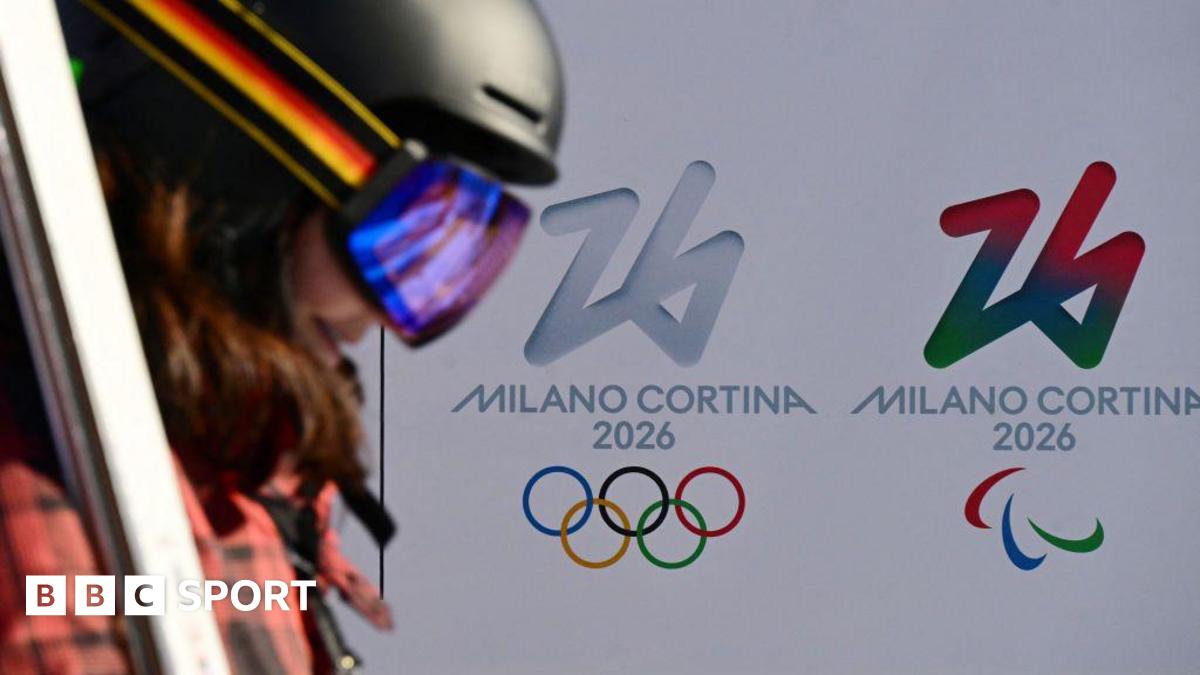
Russian & Belarusian para-Athletes Face 2026 winter Paralympics Exclusion Despite IPC Ban Lift
Despite a recent decision by the International Paralympic Committee (IPC) to lift its ban, para-athletes from Russia and Belarus will likely not compete at the 2026 Winter Paralympics in Milan and Cortina d’Ampezzo. This complex situation stems from the independent governance of individual sports within the Paralympic movement. Let’s break down what’s happening and why.
Understanding the Paralympic Structure
The IPC oversees the paralympic Games, but it doesn’t directly govern each sport. Instead, six sports at the upcoming Winter Games are managed by four separate international federations. This decentralized structure is now proving crucial in determining athlete participation.
The timeline of Bans & Reinstatement
Here’s a fast recap of the events leading to this outcome:
* 2022: Following Russia’s invasion of Ukraine, and due to Belarus’s close alliance, both countries were suspended from Paralympic competition.
* 2023: A partial ban was introduced, allowing athletes to compete as neutrals.
* Recent IPC Vote: Last month, IPC members voted to fully lift the suspensions, permitting athletes from Russia and Belarus to compete under their national flags.
* Current Reality: Despite the IPC’s decision, participation remains uncertain due to individual federation rulings.
Which Sports Remain Closed to Russian & Belarusian Athletes?
Currently, three international federations have chosen to maintain bans on athletes from Russia and Belarus:
* International Ski and Snowboard Federation (FIS)
* International Biathlon Union (IBU)
* World Curling
This effectively prevents athletes from these nations from qualifying for their respective events at the 2026 Games.
Para Ice Hockey: A Limited Chance Missed
While World Para Ice Hockey did allow Russia and Belarus to compete, the timing proved critical. The qualifying tournament for the final two Paralympic spots has already taken place, and the six participating teams were persistent before the IPC ban was lifted. Consequently, Russia and belarus missed the opportunity to qualify.
IPC Response & Respect for Federation Autonomy
IPC President Andrew Parsons emphasized the organization’s respect for the decisions of each international federation.”In the same way that the IPC fully respects the decision of the IPC General Assembly…we also fully respect the decisions of each international federation,” parsons stated.
The IPC acknowledges that the positions of FIS, IBU, and World Curling make qualification impossible for athletes from the two nations.
What Dose This Mean for the 2026 Winter Paralympics?
Ultimately, the focus will now shift to the athletes and National Paralympic Committees (NPCs) who will be competing in Milan and Cortina d’Ampezzo. The IPC hopes the Games will showcase outstanding athletic achievement and create lasting positive legacies.
This situation highlights the complexities of international sports politics and the challenges of balancing inclusivity with geopolitical concerns. You can expect continued discussion surrounding athlete participation in future Paralympic and Olympic events.
Resources:
* International Paralympic Committee