
As we look toward the horizon of international football, the 2026 FIFA World Cup is set to redefine the scale of the elegant game. For the first time in history, the tournament will be jointly hosted by three nations—Canada, Mexico, and the United States—bringing the world’s most prestigious competition to sixteen host cities across North America. With the official tournament dates confirmed for June 11 to July 19, 2026, football fans and analysts alike are preparing for a massive expansion in the tournament’s format.
This upcoming edition of the FIFA World Cup will be the 23rd iteration of the men’s championship, marking a significant departure from previous tournaments. Most notably, the field of participants has been expanded to 48 teams, an increase from the 32-team format that had been the standard for decades. This shift ensures a wider representation from FIFA’s six confederations, providing a global stage for nations that have long aspired to compete at the highest level. As a journalist who has covered the sport for over 13 years, I find this expansion to be a pivotal moment for the growth of football, offering unique opportunities for both seasoned powerhouses and rising footballing nations.
A Historic Format and Host Selection
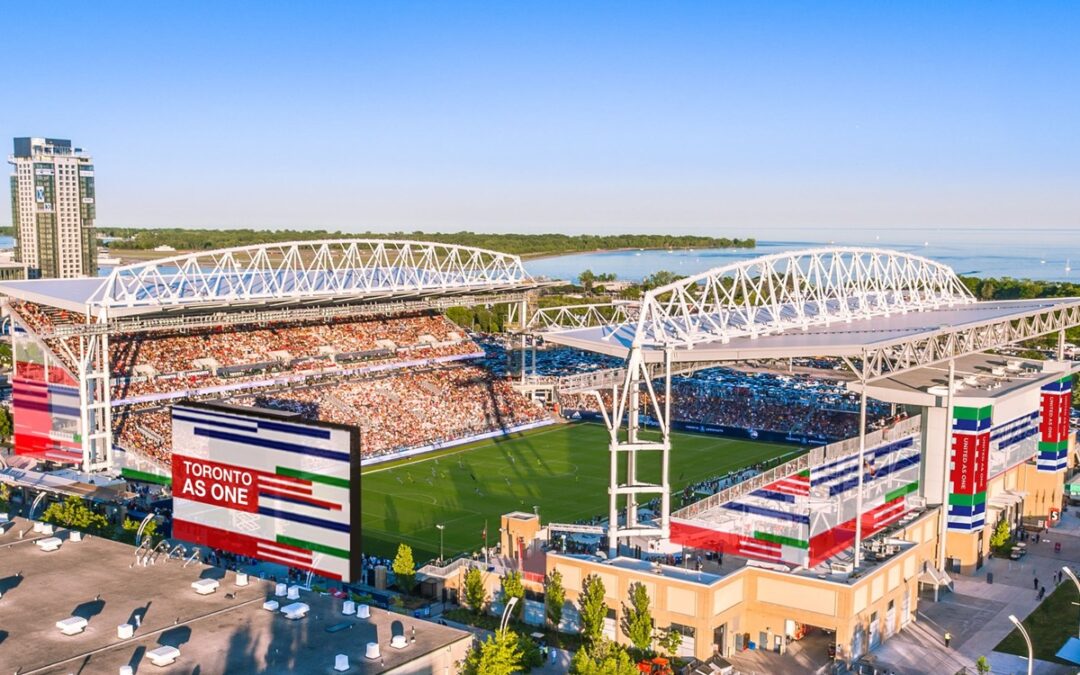
The decision to host the tournament across Canada, Mexico, and the United States reflects a strategic effort to utilize existing infrastructure while celebrating the rich footballing heritage of the region. Among the host nations, Mexico holds a unique place in history. having hosted the tournament in 1970 and 1986, it will become the first country to host or co-host the men’s World Cup three times. The United States, which previously welcomed the world in 1994, will provide the largest share of venues, with 11 host cities, while Canada—hosting for the first time—rounds out the trio with two venues.

The logistical complexity of managing 104 matches across such a vast geography is unprecedented. FIFA’s decision to return the tournament to its traditional Northern Hemisphere summer window is a welcome change for many fans, following the unique scheduling of the 2022 tournament in Qatar. The 2026 competition will see Argentina arrive as the defending champions, aiming to build on their victory in 2022. For fans eager to follow the specific match progression, FIFA provides the most reliable official match schedule and fixture updates as they are finalized.
What the 48-Team Expansion Means for Football
The jump to 48 teams is more than just a logistical challenge; it is a fundamental shift in the tournament’s competitive landscape. With more groups and a larger knockout stage, the path to the final will require greater squad depth and tactical versatility. This expansion also introduces several teams to the World Cup stage for the first time, which inevitably brings a new level of unpredictability to the group stages. For the global audience, this translates to more matches, more rivalries, and more opportunities to witness historical upsets.
The automatic qualification of the three host nations—Canada, Mexico, and the United States—ensures that the home crowds will have a vested interest in the tournament from the opening whistle. This local enthusiasm is expected to drive record-breaking attendance numbers and global viewership. As we move closer to the June 2026 kickoff, the focus will shift toward the final preparations of the 16 selected stadiums, which are currently undergoing the necessary upgrades to meet FIFA’s stringent international standards.
Key Tournament Details
- Tournament Dates: June 11 – July 19, 2026
- Number of Teams: 48 (expanded from 32)
- Host Nations: Canada, Mexico, United States
- Number of Host Cities: 16
- Total Matches: 104
Looking Ahead to the Kickoff
While the excitement continues to build, the focus for the coming months remains on the finalization of team preparations and the dissemination of ticketing information. FIFA remains the sole authoritative source for all official tournament updates, including venue-specific information and the eventual draw for the group stages. It is essential for supporters to rely on official channels to avoid misinformation as the tournament draws near.
As we count down the days to the opening match, the global football community is witnessing the beginning of a new chapter. The 2026 World Cup promises to be a celebration of diversity, athleticism, and the unifying power of sport. I look forward to bringing you further analysis as the tournament structure solidifies and the road to the final becomes clearer. Please share your thoughts on the expanded format in the comments below, and stay tuned for more coverage as we follow the developments leading up to the world’s most anticipated sporting event.
Keep reading