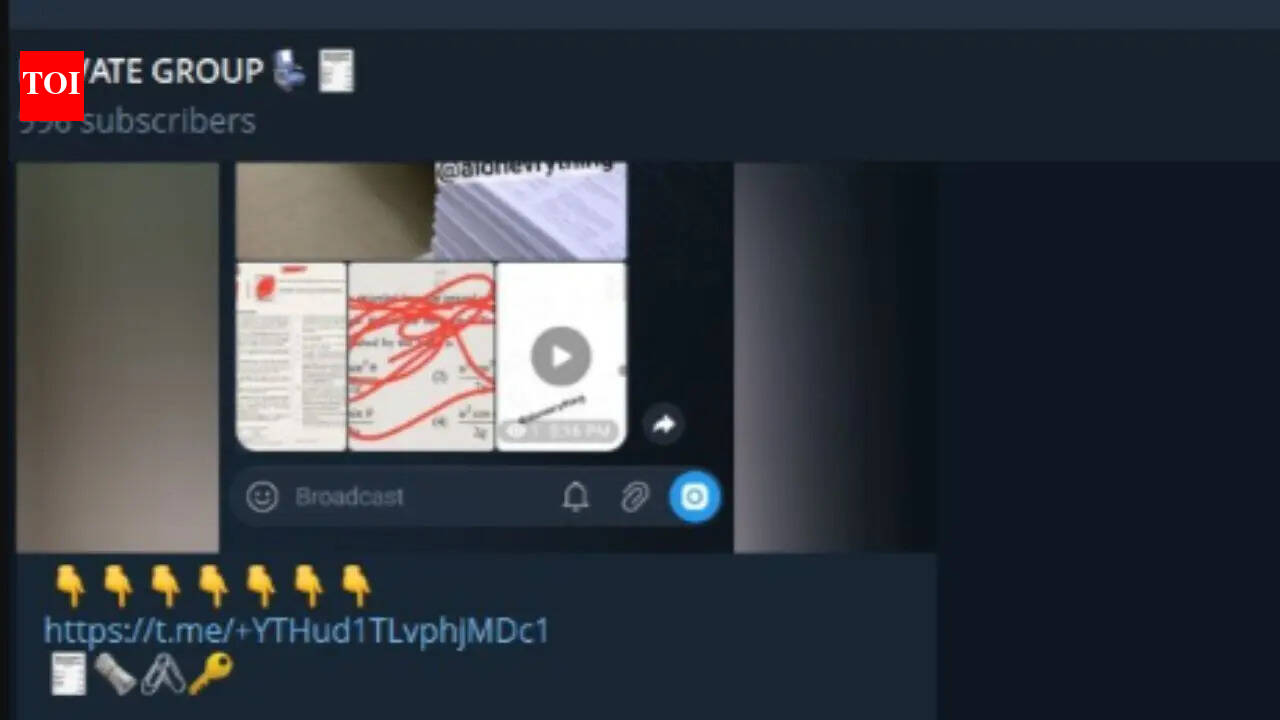
As the Editor for the World section at World Today Journal, I have spent over 14 years tracking how systemic failures in institutional oversight can ripple across societies. From my desk here in Sofia, I have watched the growing distress surrounding the integrity of standardized testing in India—a concern that has once again entered the public consciousness. Following the significant disruptions to the NEET UG examination cycle in 2024, renewed anxieties regarding the 2026 testing process have surfaced, with reports of alleged question paper leaks circulating on platforms like Telegram.
The National Testing Agency (NTA), the body responsible for conducting the National Eligibility cum Entrance Test (NEET), has been forced to address these fresh concerns as students and parents demand greater transparency. In an era where digital platforms serve as both conduits for information and vectors for misinformation, the agency’s struggle to maintain examination security has become a focal point of national debate. The ongoing scrutiny follows the Supreme Court of India’s extensive hearings on previous irregularities, which have set a high bar for the agency’s future conduct.
The Digital Challenge: Telegram and Examination Integrity
The core of the current controversy lies in the alleged circulation of “leaked” question papers on encrypted messaging platforms. While the NTA has consistently urged students to disregard rumors, the persistence of these claims on social media has necessitated a formal response. The agency has reportedly escalated these matters to the CyberCrime division of the Ministry of Home Affairs to track the origin of such posts and prevent the spread of fraudulent materials that undermine public trust.

For those unfamiliar with the scale, the NEET UG is the gateway for millions of students seeking admission to undergraduate medical programs across India. When allegations of paper leaks arise, the impact is not merely administrative; it is a profound psychological and financial burden on families who spend years preparing for these high-stakes assessments. The Central Bureau of Investigation (CBI) has been tasked with investigating systemic lapses in previous cycles, and their findings remain a critical benchmark for how the government intends to handle future threats to examination sanctity.
Regulatory Oversight and the Role of the Supreme Court
The Supreme Court of India has played a pivotal role in keeping the pressure on the NTA. During the 2024 proceedings, the judiciary emphasized that the sanctity of the examination process is paramount to the meritocratic foundation of the nation’s medical education system. The Court’s involvement has mandated a shift toward more rigorous, technology-driven security measures, including enhanced surveillance and stricter protocols for the transportation and handling of test materials.
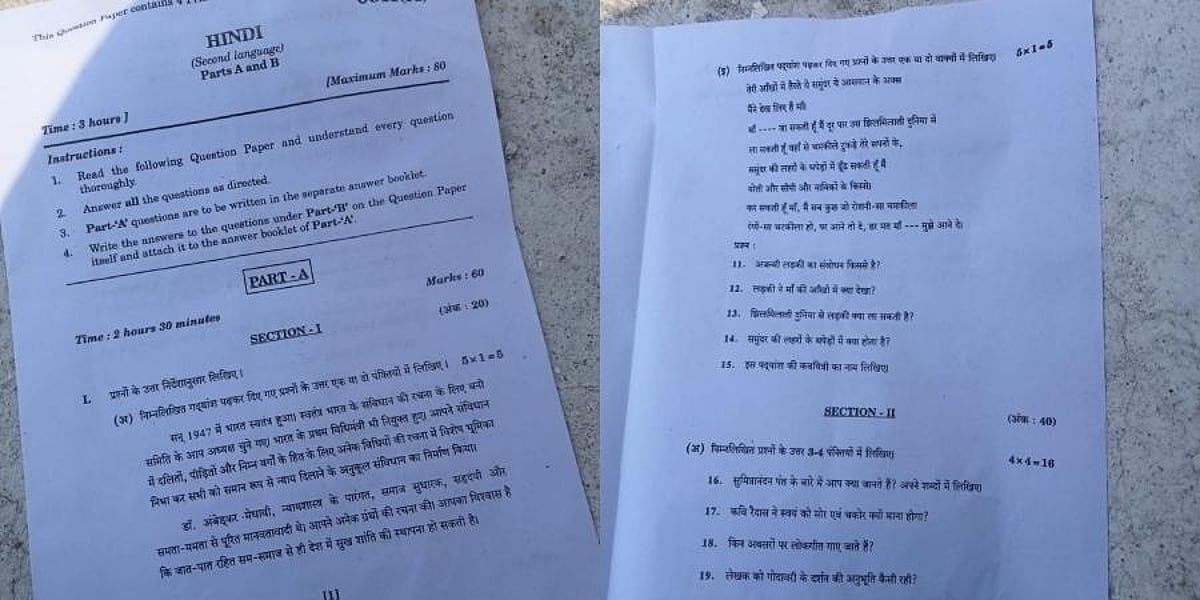
Despite these interventions, the “leak scare” phenomenon persists, often fueled by unverified claims on social media. For students preparing for 2026, the primary advice from education experts remains consistent: rely exclusively on the official NTA website for announcements, admit cards, and schedule updates. Engaging with unofficial Telegram channels or “leaked” paper claims not only risks misinformation but can also lead to legal consequences under the newly enacted Public Examinations (Prevention of Unfair Means) Act, 2024, which carries significant penalties for those involved in exam malpractice.
Key Considerations for Candidates and Stakeholders
- Verify via Official Channels: Always cross-reference any “leaked” information with the official NTA portal.
- Understand the Legal Stakes: The 2024 legislation has significantly increased the severity of punishment for paper leaks, including long-term imprisonment and hefty fines.
- Prioritize Mental Well-being: The noise surrounding potential leaks is often designed to create panic; focus on your academic preparation rather than speculative social media discourse.
- Report Suspicious Activity: If you encounter genuine evidence of malpractice, use the official reporting mechanisms provided by the NTA rather than sharing it on public forums.
Looking Ahead: The Path to 2026
As we look toward the 2026 examination cycle, the NTA is under immense pressure to demonstrate that it has learned from the structural failures of the past. The integration of more robust cybersecurity protocols is expected to be a central feature of the upcoming exams. The next major checkpoint will be the release of the official 2026 information bulletin, which is expected to outline specific security upgrades and updated standard operating procedures for exam centers.
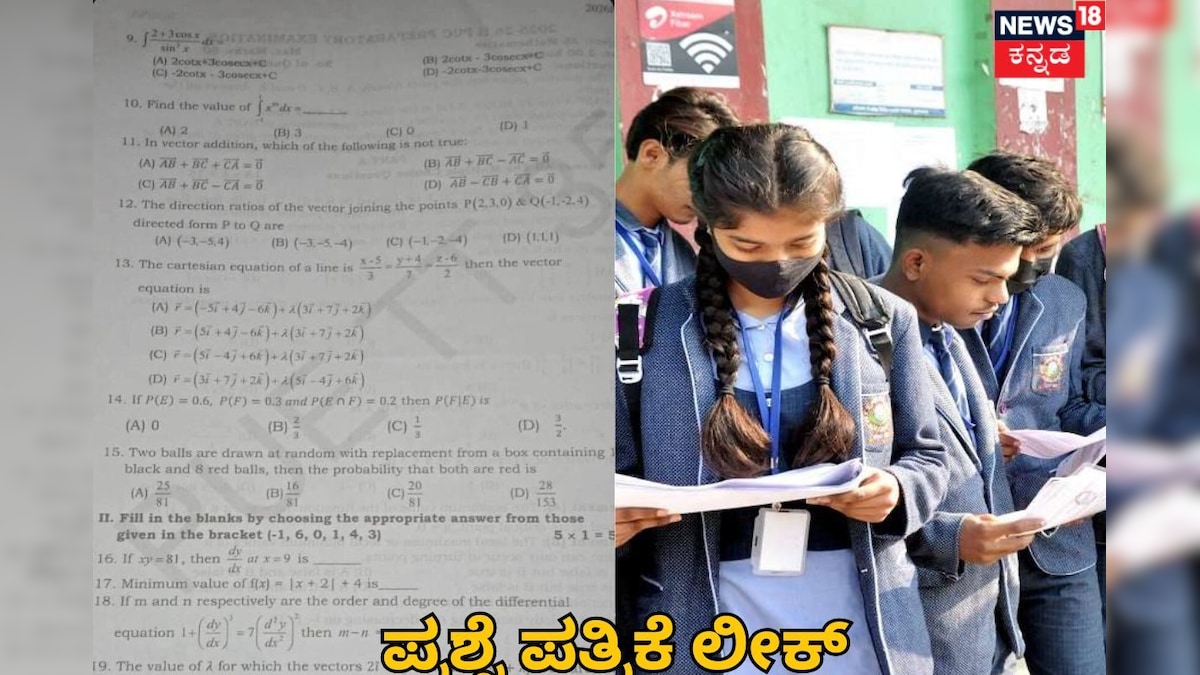
At World Today Journal, we remain committed to following this story as it develops. The integrity of medical education is a global concern, as it directly impacts the quality of healthcare providers who serve our communities. We encourage our readers to remain vigilant, critical of unverified online claims, and focused on the official directives issued by the responsible authorities.
What are your thoughts on the measures being taken to secure standardized testing? I invite you to share your perspectives in the comments section below or join the conversation on our social media platforms. Your insights help us maintain a truly global and informed dialogue on these critical issues.
Keep reading