
The 2026 FIFA World Cup has introduced a record expansion to 48 teams, providing a historic opportunity for African football nations to demonstrate their competitive standing on the global stage. While the increased allocation of slots—rising from five to nine direct berths for the Confederation of African Football (CAF)—aims to broaden representation, early tournament results have reignited debates regarding the continent’s tactical readiness and ability to challenge traditional powerhouses from Europe and South America. According to official FIFA tournament documentation, the expanded format is designed to foster greater parity, yet the opening matches have highlighted the persistent gap between qualifying success and knockout-stage consistency.
Evaluating the Expanded African Presence
With nine African nations participating in the 2026 cycle, the continent holds its largest-ever contingent in the tournament’s history. This expansion is the result of a deliberate policy shift by FIFA to increase global participation, as detailed in the FIFA Council’s strategic framework for the 2026 expansion. For many observers, the primary question is whether this numerical increase will translate into a deep run for an African side, a feat that has remained elusive since the tournament’s inception.
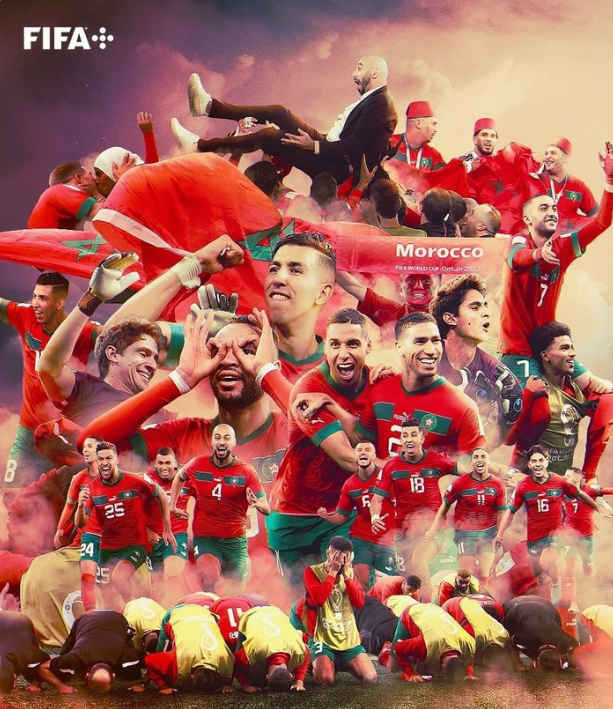
Historically, African teams have faced significant hurdles in reaching the semi-finals. Morocco’s performance in 2022, where they became the first African nation to reach a World Cup semi-final, serves as the current benchmark for success, as noted in reports from the 2022 tournament in Qatar. The challenge for the 2026 participants is to prove that the recent success of North African squads is representative of the continent’s broader talent pool rather than an isolated achievement.
Tactical Challenges and Early Tournament Realities
The performance of South Africa in their opening match against Mexico has drawn scrutiny, with the defeat serving as a focal point for critics questioning the preparedness of CAF representatives. While South Africa’s loss is a single data point, it reflects the intense pressure placed on teams to adapt to the high-tempo requirements of modern international football. According to match analysis provided by BBC Sport, the disparity in experience at the highest level remains a critical factor for teams entering the tournament with limited prior exposure to top-tier opposition.
The tactical landscape of the 2026 World Cup demands a high degree of defensive discipline and efficiency in transition. Coaches representing African nations are increasingly focusing on these areas to mitigate the physical and technical advantages often enjoyed by squads from UEFA and CONMEBOL. The ongoing integration of European-based players into African national teams—many of whom compete in top-flight leagues such as the English Premier League or La Liga—is seen as a vital component in bridging the gap, according to data from player registration and league participation records.
Historical Context and Future Prospects
To understand the current trajectory, one must look at the progression of African football since the 1990s. Cameroon’s 1990 quarter-final run and Senegal’s 2002 debut performance established a foundation, but the lack of consistency in subsequent tournaments has been a recurring theme. The 2026 expansion offers a larger sample size to evaluate whether the continent can sustain competitive momentum. As analyzed in sports commentary from Al Jazeera, the increased number of matches provides more opportunities for emerging talents to gain the critical experience needed to compete against established global powers.
The following table summarizes the evolution of African representation in the tournament:
| Tournament | African Teams | Best Result |
|---|---|---|
| 1990 | 2 | Quarter-finals (Cameroon) |
| 2002 | 5 | Quarter-finals (Senegal) |
| 2022 | 5 | Semi-finals (Morocco) |
| 2026 | 9 | TBD |
What Happens Next for African Contenders
The path forward for African teams involves navigating the remainder of the group stages, where the focus will shift to securing points against diverse tactical styles. FIFA has scheduled the next round of group stage updates and official match reports to be released immediately following the conclusion of each matchday on the official tournament match center. For these nations, the tournament is not merely about participation; it is about establishing a sustainable model for long-term development in international football.
As the competition progresses, the ability of these teams to manage squad fitness and tactical adjustments will be the primary indicator of their potential to make history. Fans and analysts alike will be watching closely to see if the increased representation leads to a breakthrough in the tournament’s final stages. We encourage our readers to share their analysis of the tournament’s progression in the comments section below as we continue to track the performance of these teams.
Related reading