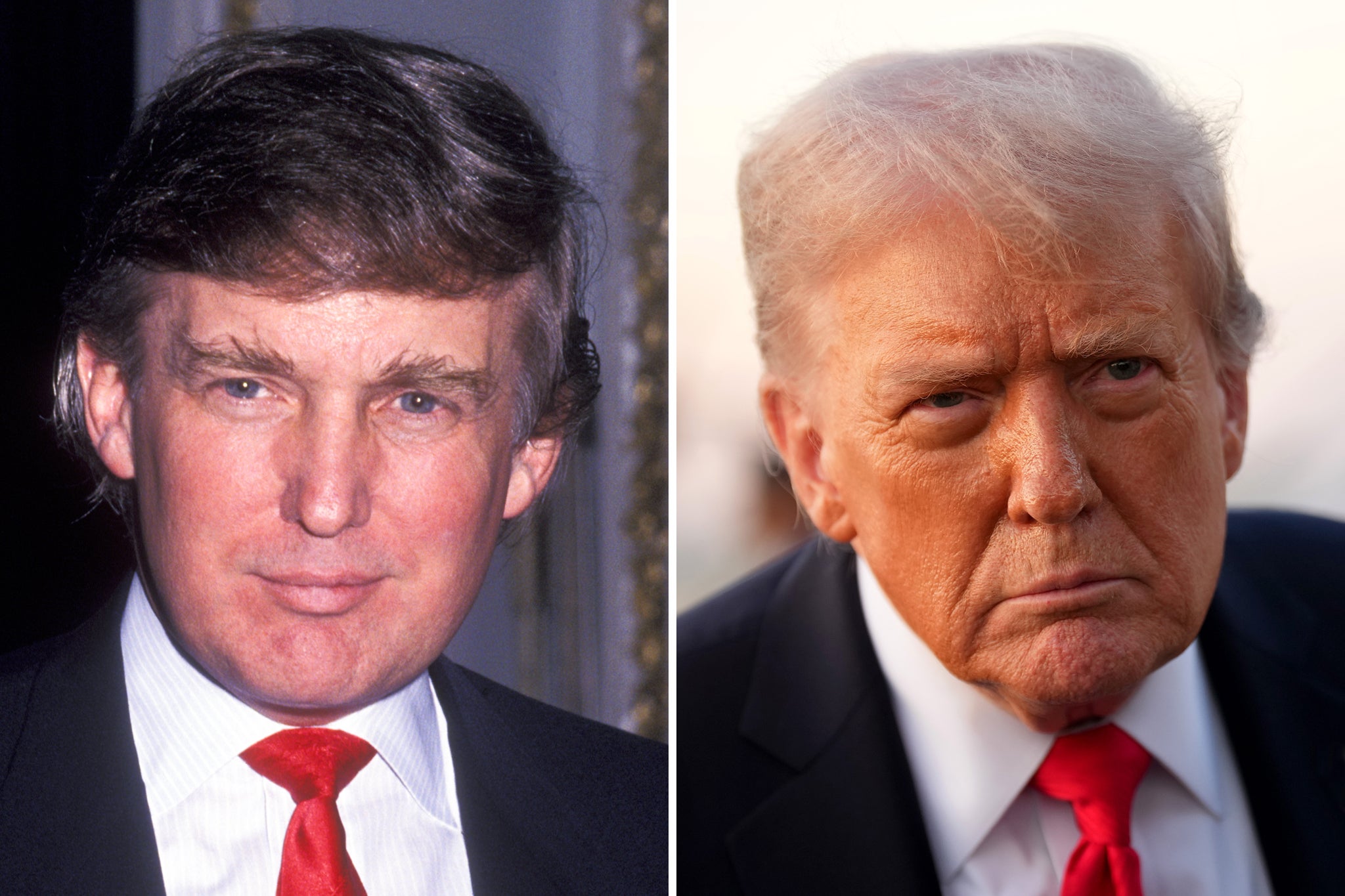
As Donald Trump reaches the age of 80, the milestone has prompted a renewed public discussion regarding the physical and cognitive demands of leadership for octogenarian figures in American politics. While the former president has consistently projected an image of high energy and vigor, his approach to aging remains a subject of intense scrutiny from both political analysts and medical professionals who monitor the intersection of longevity and executive authority, according to reports on geriatric health standards.
The transition into one’s 80s represents a distinct physiological phase. According to the National Institute on Aging, individuals at this stage of life often experience shifts in metabolic rate, cognitive processing speed, and recovery times from physical exertion. For a political candidate, these biological realities intersect with the grueling requirements of a national campaign, which involves extensive travel, public speaking, and rapid-fire decision-making.
The Intersection of Aging and Executive Power
Public figures in their 80s face a unique set of challenges when maintaining a schedule that demands constant media presence. Historically, the American public has shown varied reactions to the age of its leaders. As noted by the Pew Research Center, the median age of members of Congress has trended upward over the last two decades, reflecting a broader demographic shift within the nation’s highest offices. This trend has made the question of “fitness for office” a central theme in modern political discourse.

Medical experts frequently point out that chronological age is not always an accurate proxy for functional health. “Biological age,” a concept that accounts for lifestyle, genetics, and medical history, often varies significantly between individuals of the same birth year, as documented by the Mayo Clinic. For political observers, the challenge lies in distinguishing between the standard effects of aging and potential impacts on a leader’s ability to discharge the duties of the presidency.
Public Perception and the Narrative of Vigor
Donald Trump has historically countered concerns about his age by emphasizing his stamina and frequent campaign rallies. This strategy is designed to maintain an image of vitality, a key component of his political brand. By contrasting his activity levels with those of his political opponents, he seeks to shift the focus from chronological markers to perceived energy levels, a tactic analyzed by observers of political communication at the Journalist’s Resource.
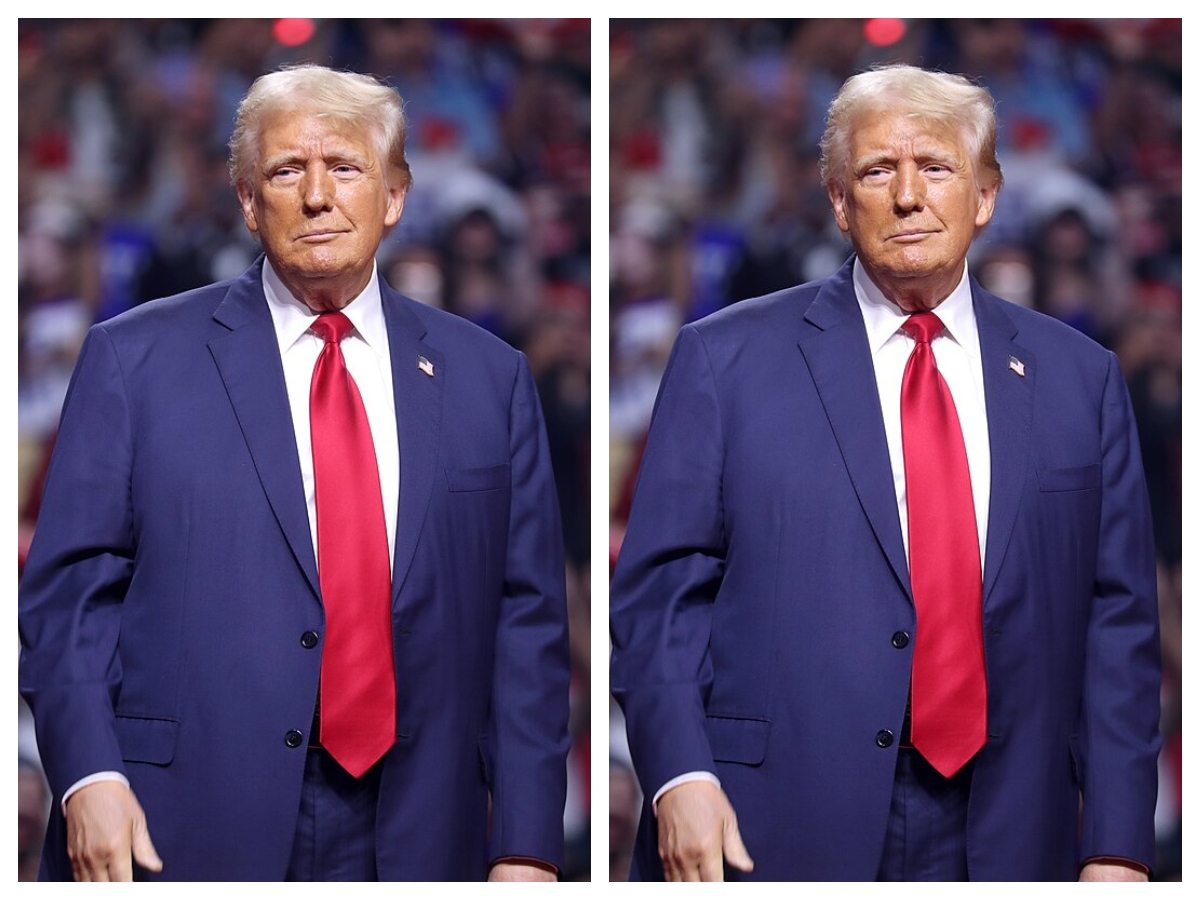
However, the scrutiny surrounding his 80th birthday is compounded by the fact that he is part of a generation of leaders who are redefining the boundaries of “retirement age” in the professional sphere. The Bureau of Labor Statistics reports that labor force participation among Americans aged 75 and older has steadily increased since 2000, suggesting that the former president’s continued activity is consistent with broader national trends, even if the stakes in the Oval Office are uniquely high.
Comparing Perspectives on Presidential Longevity
The discourse regarding Trump’s age is not happening in a vacuum. It follows a period of heightened sensitivity toward the ages of other prominent political figures, including President Joe Biden. The comparison between these two leaders has become a staple of current affairs reporting. According to the U.S. Constitution, the only age-related requirement for the presidency is a minimum age of 35; there is no constitutional upper limit, a fact that remains a point of debate among constitutional scholars.
When analyzing how different segments of the media frame this issue, a clear divide emerges. Some outlets focus on the medical implications of the “octogenarian threshold,” citing general geriatric studies to suggest potential risks in high-stress roles. Others focus on the political resilience required to remain a central figure in American life at 80, framing the milestone as an achievement of endurance rather than a liability.
What Happens Next?
As the political calendar moves toward the next federal election cycle, the focus on candidate age is expected to intensify. Verified updates on candidate health, if released, will likely originate from official campaign statements or independent medical reports commissioned by the candidates themselves. Voters seeking objective data on the candidates’ physical statuses are encouraged to monitor Federal Election Commission filings and official press releases from the respective campaigns, which serve as the primary sources for verified information regarding candidate activity and health disclosures.
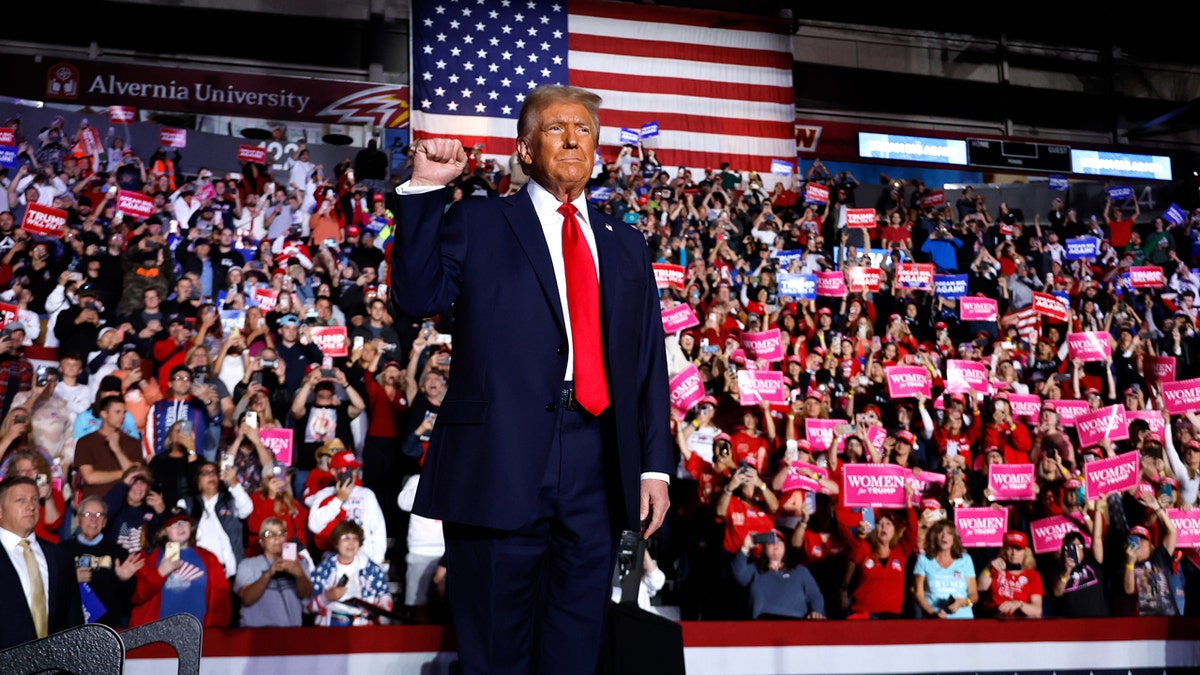
The conversation surrounding aging in the highest levels of government remains a fluid, ongoing debate. As the electorate continues to evaluate candidates based on a combination of policy, temperament, and physical capability, the significance of age will likely remain a persistent, if debated, factor in the democratic process.
What are your thoughts on how age impacts the perception of leadership in modern politics? Share your perspective in the comments section below and join the discussion with our global community of readers.
Worth a look