
The 2026 FIFA World Cup, hosted jointly by the United States, Canada, and Mexico, has officially commenced, drawing global attention to the expanded 48-team tournament structure. As matches unfold across 16 host cities, the event marks the first time the competition has been hosted by three nations, significantly increasing the scale of logistics, fan engagement, and economic impact compared to the 2022 tournament in Qatar.
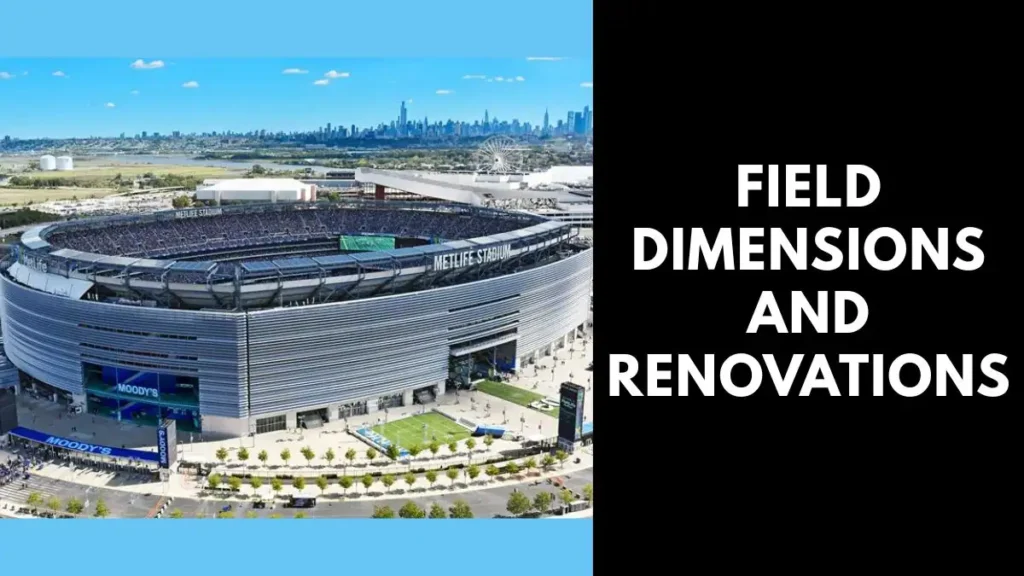
According to official documentation from FIFA, the tournament will feature a total of 104 matches, a substantial increase from the 64 games held in previous editions. This expansion is designed to accommodate the larger field of teams, with the final match scheduled to take place at MetLife Stadium in East Rutherford, New Jersey, on July 19, 2026.
Infrastructure and Economic Scope of the 2026 Tournament
The selection of 16 host cities represents a strategic effort to distribute the economic and cultural benefits of the tournament across North America. In the United States, venues range from traditional soccer markets like Los Angeles and New York to newer hubs including Atlanta and Miami. The Department of Justice and federal agencies have coordinated with local law enforcement to manage the security and logistical requirements for the massive influx of international visitors, a process that began years in advance of the opening whistle.
For local economies, the financial implications are significant. Independent economic impact reports commissioned by various host cities estimate billions of dollars in combined regional revenue, though these figures remain subject to final verification following the conclusion of the event. The tournament is not merely a sporting fixture but a massive infrastructure project, with cities upgrading public transit, airport capacity, and stadium facilities to meet FIFA’s rigorous standards for international play.
Community Engagement and Local Impact
Beyond the professional stadiums, the 2026 World Cup has catalyzed community-level engagement across the host nations. Local stations and municipal governments have organized “fan fests” and public viewing areas, aiming to replicate the atmosphere of a global festival. This decentralized approach reflects a shift in how major sporting events integrate with their host populations, moving away from isolated venue clusters toward city-wide participation.

Journalists stationed across these cities have observed a diverse range of public reactions, from heightened civic pride to concerns regarding the disruption of daily routines in major metropolitan areas. These on-the-ground reports highlight the intersection of global sport and local policy, as cities balance the demands of international governing bodies with the needs of their residents. The logistical challenges of moving teams and spectators across such a vast geographic area remain a primary focus for organizers, as noted in recent reporting on the tournament’s operational complexities.
How the Expanded Format Changes the Competition
The shift to a 48-team format has fundamentally altered the competitive landscape of the World Cup. By increasing the number of participants, FIFA has allowed for greater representation from confederations that previously had fewer qualification slots, such as the Confederation of African Football (CAF) and the Asian Football Confederation (AFC). This change aims to broaden the commercial appeal of the tournament while intensifying the qualification process for traditional powerhouses.
The tournament structure involves an initial group stage followed by a knockout phase that now includes a round of 32. This format change, verified by FIFA’s official competition regulations, ensures that teams play more matches, theoretically increasing the total broadcast and ticket revenue. For fans, this means a more continuous stream of matches, though it also raises questions regarding player fatigue and the long-term sustainability of such an expanded tournament schedule.
Future Checkpoints and Official Updates
As the tournament progresses, stakeholders are monitoring several key developments, including the transition into the knockout stages and the management of high-traffic transit corridors. The next major milestone will be the conclusion of the group stage, which dictates the seeding for the round of 32. Fans and observers looking for official updates on ticket availability, security advisories, or match scheduling changes should consult the official FIFA 2026 portal, which serves as the primary repository for confirmed tournament data.
The success of this tournament will likely be measured by its ability to balance the commercial demands of a global event with the practical realities of host city infrastructure. As the competition continues, we will provide ongoing analysis of the tournament’s financial and social outcomes. Please share your thoughts in the comments section below or join the conversation on our social media channels.
Keep reading