
The British government is currently reviewing its approach to domestic protest groups, with officials signaling a stricter interpretation of “extremism” that directly impacts several organizations advocating for Palestinian rights. According to the UK Home Office, the government is updating its definition of extremism to better address groups that undermine or negate the United Kingdom’s liberal democratic values, a move that critics and civil liberties organizations warn could stifle legitimate political dissent.
This policy shift follows heightened tensions in the United Kingdom regarding the ongoing conflict in Gaza. Since October 2023, the country has seen a significant increase in public demonstrations, leading to intense political debate over the balance between the right to protest and the maintenance of public order. The Home Office stated in a March 2024 policy update that the new, more precise definition aims to ensure that government departments do not inadvertently provide platforms or funding to groups deemed to be working against the country’s core values, as reported by the UK government’s official portal.
Defining Extremism in the UK Legal Context
The core of the current controversy lies in how “extremism” is defined in British law and policy. Under the updated guidance, extremism is described as the promotion or advancement of an ideology based on violence, hatred, or intolerance that aims to negate or destroy the fundamental rights and freedoms of others. This is a departure from the previous 2011 definition, which was broader and, according to government assessments, proved difficult to apply consistently across various public institutions.
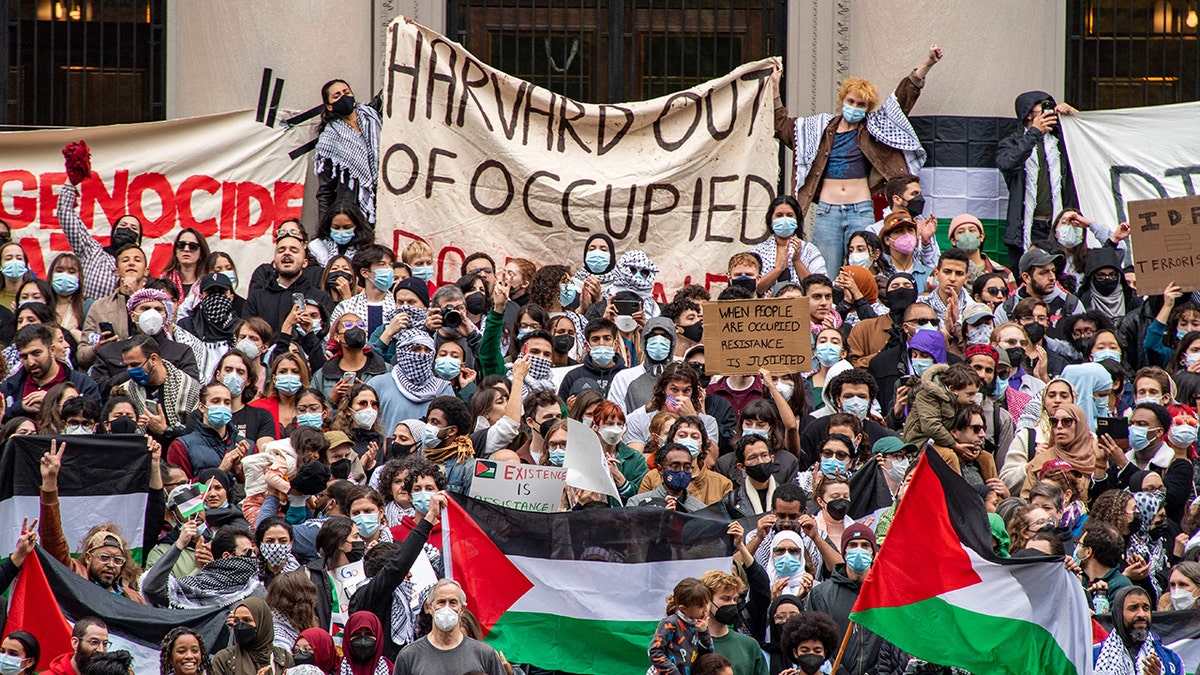
The government’s strategy is not a criminalization of specific groups, but rather a set of guidelines for how public bodies interact with them. As outlined by The Guardian, the policy mandates that officials must not engage with, fund, or provide a platform to organizations that meet the new criteria. Supporters of the policy argue that this provides necessary clarity for civil servants, while opponents, including various human rights advocacy groups, contend that the definition is sufficiently vague that it could be weaponized against groups that are critical of current government foreign policy or that organize large-scale protests against the state’s stance on Israel and Gaza.
Impact on Palestinian Advocacy Groups
Several organizations involved in coordinating pro-Palestinian marches in London and other cities have expressed concern that the new definition is designed to marginalize their political activities. These groups, which include coalitions of activists and NGOs, have maintained that their demonstrations are peaceful and protected under the right to freedom of assembly enshrined in the Human Rights Act 1998.
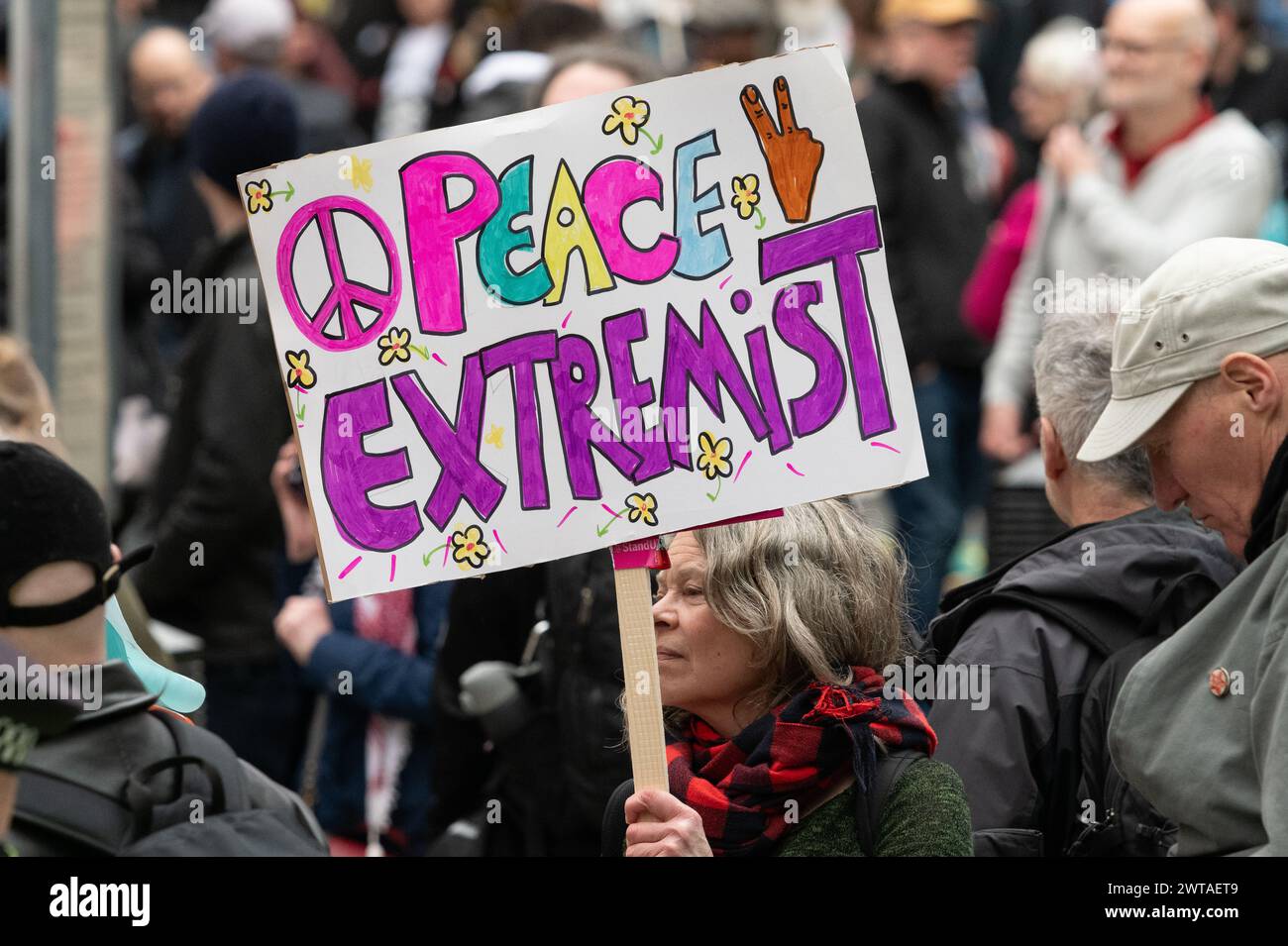
The Metropolitan Police Service has faced immense pressure to balance public safety with the protection of protest rights. According to Metropolitan Police updates, officers have facilitated hundreds of protests since late 2023, often resulting in complex operational challenges. The government’s new stance complicates this environment, as it creates a high-level political framework that effectively labels certain forms of activism as “extremist,” even if those actions do not cross the threshold into criminal activity like incitement to violence or public disorder.
Civil Liberties and the Right to Dissent
The debate over the government’s approach has drawn significant attention from legal experts and civil rights watchdogs. Organizations such as Liberty and Amnesty International UK have argued that the definition of extremism is an overreach that threatens the democratic fabric of the country. They point out that labeling advocacy groups as “extremist” can lead to a “chilling effect,” where individuals may fear attending protests or donating to causes for fear of being associated with ideologies that the government has officially blacklisted.
Conversely, the government maintains that the policy is a necessary safeguard for democracy. In official statements, ministers have argued that they are protecting the public from ideologies that seek to dismantle the very institutions that allow for peaceful protest to occur. The tension remains high, particularly as the UK approaches its next general election cycle, where foreign policy and the management of domestic social cohesion are expected to be central issues.
What Happens Next
The implementation of the new definition is currently being integrated into the operational procedures of government departments and local authorities. There is no immediate deadline for a parliamentary vote on the policy itself, as it functions as guidance rather than primary legislation. However, legal challenges are expected, with civil liberties groups signaling their intent to seek judicial reviews if the government uses the guidance to deny funding or access to specific advocacy organizations.
Readers seeking official updates on policy changes or the government’s ongoing “Tackling Extremism” strategy can monitor the Home Office news feed. As the situation evolves, the impact on the landscape of political activism in the UK will likely remain a focal point for media and human rights monitors alike. We encourage our readers to participate in the conversation by sharing their perspectives on the balance between national security and the right to protest in the comments section below.
Keep reading