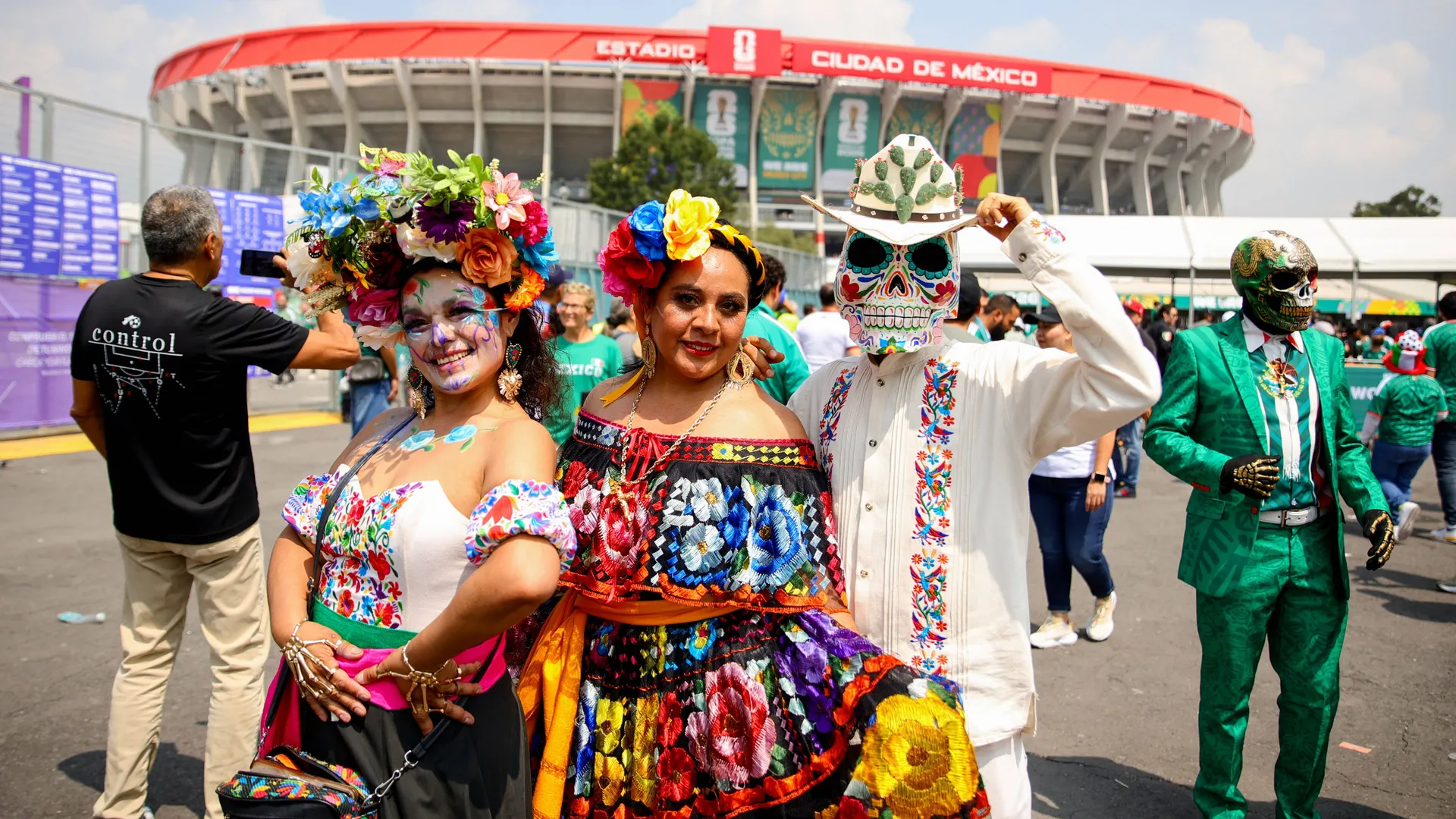
The FIFA World Cup 2026 opening ceremony is scheduled to take place on June 11, 2026, at the Estadio Azteca in Mexico City. This event will launch the first tournament to be hosted by three nations—the United States, Canada, and Mexico—and the first to feature an expanded field of 48 competing teams. While specific musical performers have not been officially confirmed by FIFA, speculation regarding high-profile artists has already begun to circulate among international media outlets.
The tournament represents a significant shift in the scale of international football, moving away from the traditional 32-team format used since 1998. According to FIFA official documentation, the expansion to 48 teams will increase the total number of matches from 64 to 104, stretching the competition across several weeks and multiple time zones throughout North America.
When will the FIFA World Cup 2026 opening ceremony occur?
The official start date for the 2026 FIFA World Cup is June 11, 2026. The opening ceremony and the inaugural match are set to be held at the Estadio Azteca, one of the most storied venues in sporting history. This date marks the beginning of a month-long celebration of football that will conclude with the final match at MetLife Stadium in East Rutherford, New Jersey, on July 19, 2026.

Organizers are currently coordinating the logistics for a ceremony that must accommodate not only the sporting spectacle but also the massive technological requirements of a global broadcast. Because the tournament is spread across a vast geographical area, the opening ceremony in Mexico City serves as the symbolic kickoff for a decentralized event that spans three different countries.
What makes the Estadio Azteca a historic venue for the 2026 tournament?
By hosting the 2026 opening ceremony, Mexico will cement its status as a cornerstone of global football. The Estadio Azteca is slated to become the first stadium in history to host three different FIFA World Cup opening matches. The venue previously hosted the tournament in 1970 and 1986, both of which saw legendary performances and historic milestones.
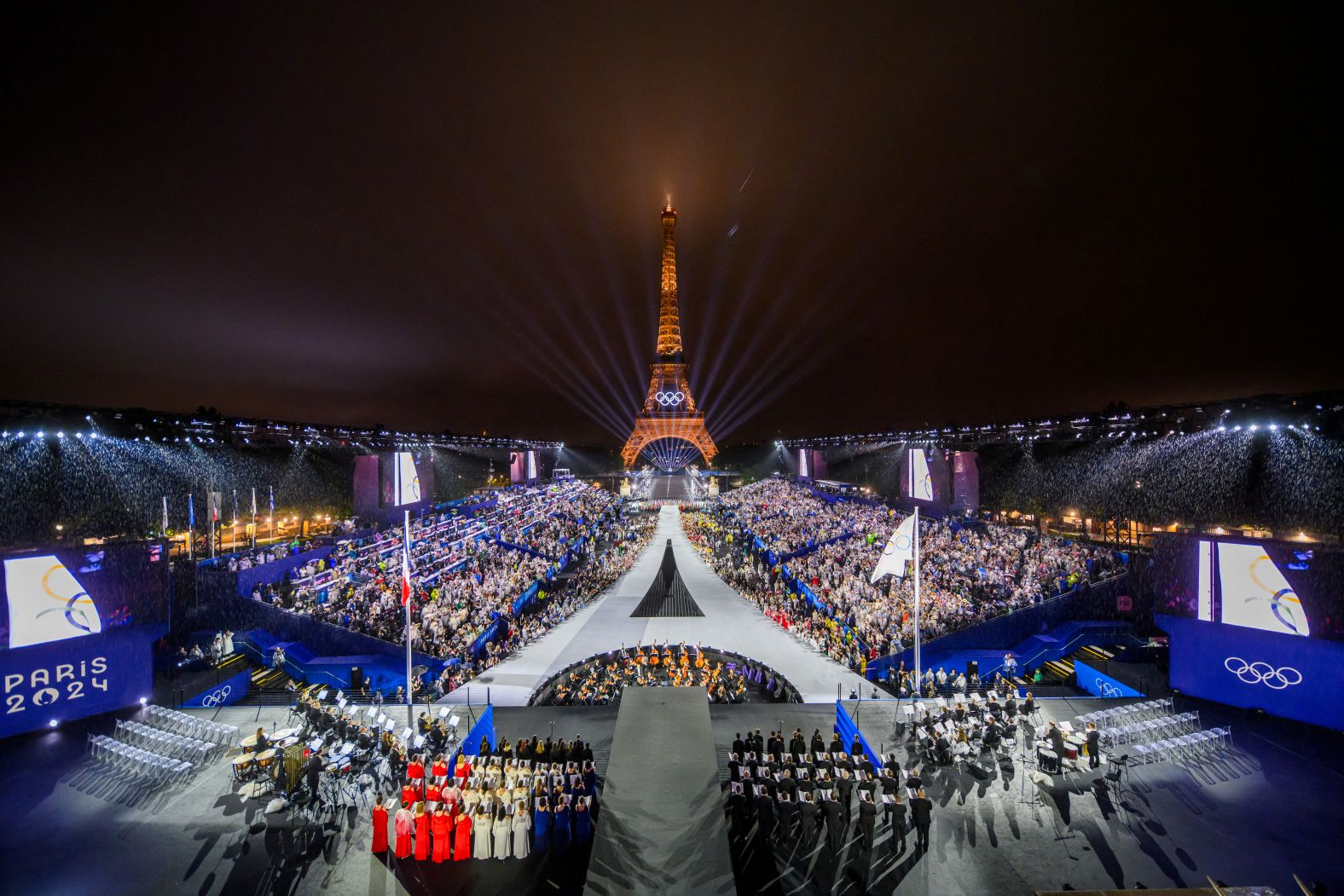
The selection of Mexico City for the opening ceremony underscores the cultural and historical importance of the region to the sport. According to reports from Reuters, the tripartite hosting agreement between the United States, Canada, and Mexico was designed to leverage the existing infrastructure and massive fan bases in each nation. Mexico’s role is particularly central, as the country provides one of the most experienced footballing infrastructures in the Americas.
The stadium’s capacity and atmosphere have long been cited by players and analysts as a defining factor in the World Cup experience. The 2026 ceremony is expected to utilize the stadium’s unique architecture to integrate local Mexican culture with a globalized digital production, though specific themes remain under wraps by the FIFA organizing committee.
Who is expected to perform at the opening ceremony?
While various media reports and social media discussions have linked prominent artists such as Shakira to the opening festivities, FIFA has not released an official lineup of performers. In previous tournaments, opening ceremonies have featured a blend of global superstars and local cultural representatives to create a “fusion” of sounds.
The lack of an official roster is standard for this stage of tournament planning. FIFA typically announces the musical direction and confirmed talent closer to the event date to manage global marketing rights and artist schedules. However, the inclusion of Latin American icons is widely anticipated by sports analysts given the tournament’s heavy emphasis on the host nations’ cultural identities.
Speculation regarding performers often increases as the event approaches, driven by the massive viewership expected for the 2026 tournament. For the organizers, the challenge lies in selecting a lineup that resonates with a global audience while remaining deeply rooted in the host cities’ specific heritages.
How will the 48-team expansion affect the tournament structure?
The transition from 32 to 48 teams is the most significant structural change in the history of the World Cup. This expansion changes nearly every aspect of the competition, from the group stage format to the total number of matches played. The new format will include 12 groups of four teams each, with the top two teams from each group advancing to a new round of 32 in the knockout stage.
This shift has several immediate implications for the tournament:
- Increased Match Volume: The jump to 104 matches requires a rigorous schedule to allow for player recovery and travel between host cities.
- Broader Representation: More nations will have the opportunity to qualify, potentially increasing the diversity of playing styles and fan bases.
- Extended Duration: The tournament will require a longer window in the international sporting calendar, impacting domestic leagues and player availability.
While the expansion is intended to grow the game’s global footprint, it has also raised questions regarding player workload. Sports medical experts and various player unions have expressed interest in how FIFA will manage the increased physical demands placed on athletes during the extended tournament period.
What are the logistical challenges of a three-nation hosting model?
Hosting a World Cup across Canada, Mexico, and the United States presents unprecedented logistical hurdles. Unlike previous tournaments hosted by a single nation or a small cluster of neighboring countries, the 2026 event spans a continent. This requires seamless coordination between three different governments, multiple organizing committees, and various security agencies.
Key logistical areas include:
Travel and Transportation: Moving teams, officials, and millions of fans between cities like Vancouver, Mexico City, and New York requires a sophisticated international travel strategy. The distances involved are significantly greater than those seen in the 2022 tournament in Qatar.
Security Coordination: Ensuring the safety of participants and spectators across three borders involves high-level intelligence sharing and synchronized law enforcement protocols.
Broadcasting and Connectivity: The technical requirement to provide high-definition, low-latency broadcasts from 16 different host cities across North America is a massive undertaking for international media partners.
Despite these complexities, the joint hosting model is expected to share the financial burden and maximize the economic impact across the entire North American region. The 2026 World Cup is projected to be one of the most commercially successful iterations of the tournament to date.
Comparison of World Cup Formats
| Feature | 2022 World Cup (Qatar) | 2026 World Cup (North America) |
|---|---|---|
| Total Teams | 32 | 48 |
| Total Matches | 64 | 104 |
| Host Countries | 1 | 3 |
| Host Cities | 8 | 16 |
The next major milestone for the tournament will be the official release of the detailed match schedule and the confirmation of specific stadium allocations for the group stages. Fans and stakeholders are advised to monitor official FIFA communications for updates regarding ticket sales and travel advisories.
What are your thoughts on the expanded 48-team format? Will the increased number of matches enhance or diminish the tournament experience? Share your views in the comments below and share this article with your fellow football fans.
Related reading
- Ukraine Incident: Assessing Responsibility Without Investigation
- Indonesia Ferry Fire: At Least 5 Dead and Dozens Missing After Blaze at Sea
- Spider-Man: Brand New Day Earns $927M for Second-Biggest Global Opening (time.news)
- Spider-Man: Brand New Day Earns Second-Largest Global Opening Weekend (archyworldys.com)