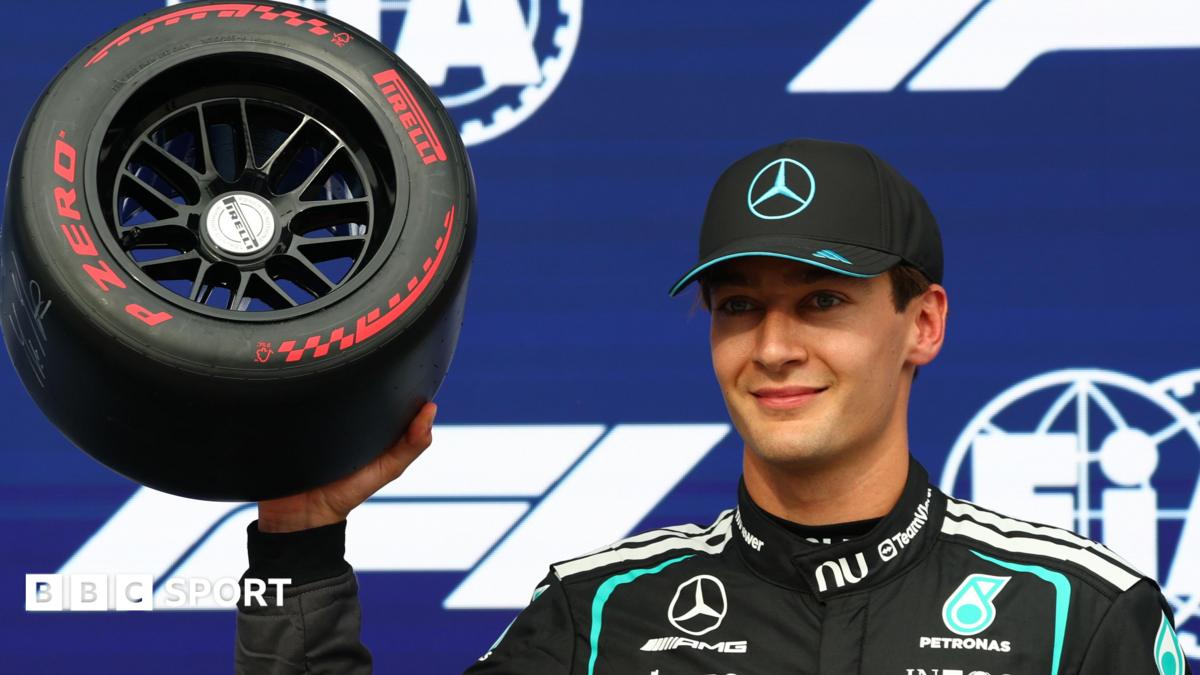
Formula 1 has officially confirmed that Pirelli will remain the exclusive tyre supplier for the sport through the 2028 season. The extension, which adds an additional year to the previously established contract, ensures that the Italian manufacturer will continue to provide the racing rubber for the pinnacle of motorsport, including the transition to new technical regulations expected in 2026. This agreement solidifies a partnership that has been in place since 2011, when Pirelli first took over as the sole provider for the FIA Formula One World Championship.
The contract extension was formalized following an agreement between Formula 1, the FIA, and Pirelli. According to official statements from Formula 1, the decision reflects a shared commitment to both technical innovation and sustainability goals within the sport. By securing this deal through 2028, the sport avoids a competitive tender process for the immediate future, allowing teams and the governing body to focus on the development of the next generation of power units and chassis designs.
The Scope of the Pirelli F1 Agreement
Pirelli’s role as the sole supplier entails the development, manufacturing, and distribution of tyres for all Grand Prix weekends. This includes the production of slick tyres for dry conditions, as well as intermediate and full-wet compounds. The agreement also covers the supply for the FIA Formula 2 and Formula 3 championships, which act as the primary feeder series for F1. The FIA confirmed the extension, noting that the partnership aligns with the sport’s environmental targets, specifically the move toward net-zero carbon operations by 2030.
The technical requirements for the upcoming years are significant. As the sport prepares for the 2026 technical regulation overhaul, Pirelli faces the challenge of developing tyres that can handle the specific demands of new, more efficient power units. These changes are designed to increase the use of electrical power and sustainable fuels. Pirelli has already begun the research and development phase for these compounds, working closely with F1 teams to ensure the rubber meets the performance and safety standards required for the next era of racing.
Why the Extension Matters for Teams
For the ten teams on the grid, the continuity of a single tyre supplier provides a stable baseline for car development. Engineering a vehicle to perform optimally across a wide range of track temperatures and surface types requires a deep understanding of tyre behavior. With Pirelli confirmed until 2028, teams can maintain their existing data sets and simulation models, which is crucial when preparing for the major regulation changes arriving in 2026. Stability in the tyre supply chain is often cited by team principals as a key factor in managing operational budgets and long-term development cycles.
The economic aspect of the deal is equally significant. Pirelli’s involvement extends beyond just supplying products; the company is heavily integrated into the sport’s marketing and activation efforts. From the iconic podium caps to the trackside branding, Pirelli remains one of the most visible commercial partners in the paddock. The extension guarantees that this commercial relationship remains intact, providing the sport with consistent revenue streams and technical support that has been refined over more than a decade of collaboration.
What Happens Next in F1 Tyre Development
The next major milestone for Pirelli and the sport will be the track testing of prototype tyres designed for the 2026 regulations. While the current 18-inch wheels will remain a staple of the sport, the internal construction and compounds will undergo rigorous testing to match the performance characteristics of the revised chassis. According to Pirelli’s official motorsport communications, the company will continue to utilize a mix of laboratory testing, simulation, and on-track private tests with current F1 teams to validate their designs before they are introduced to the race calendar.
Fans can expect to see more updates regarding the 2026 tyre specifications during the mid-season breaks of the upcoming championships, as the FIA and F1 release further technical directives. Pirelli is expected to continue its policy of transparent reporting, sharing data with the FIA to ensure that all teams are kept informed of the development progress. For those following the evolution of the sport, official updates can be found on the FIA website and the official Formula 1 portal. As we look toward the 2025 season and beyond, the focus remains on how these tyres will influence the competitive landscape, potentially creating more opportunities for wheel-to-wheel racing.
What are your thoughts on Pirelli’s extended tenure in Formula 1? Does the stability of a single supplier help the sport, or would you prefer to see a return to tyre competition? Share your views and join the conversation in the comments section below.
Related reading