
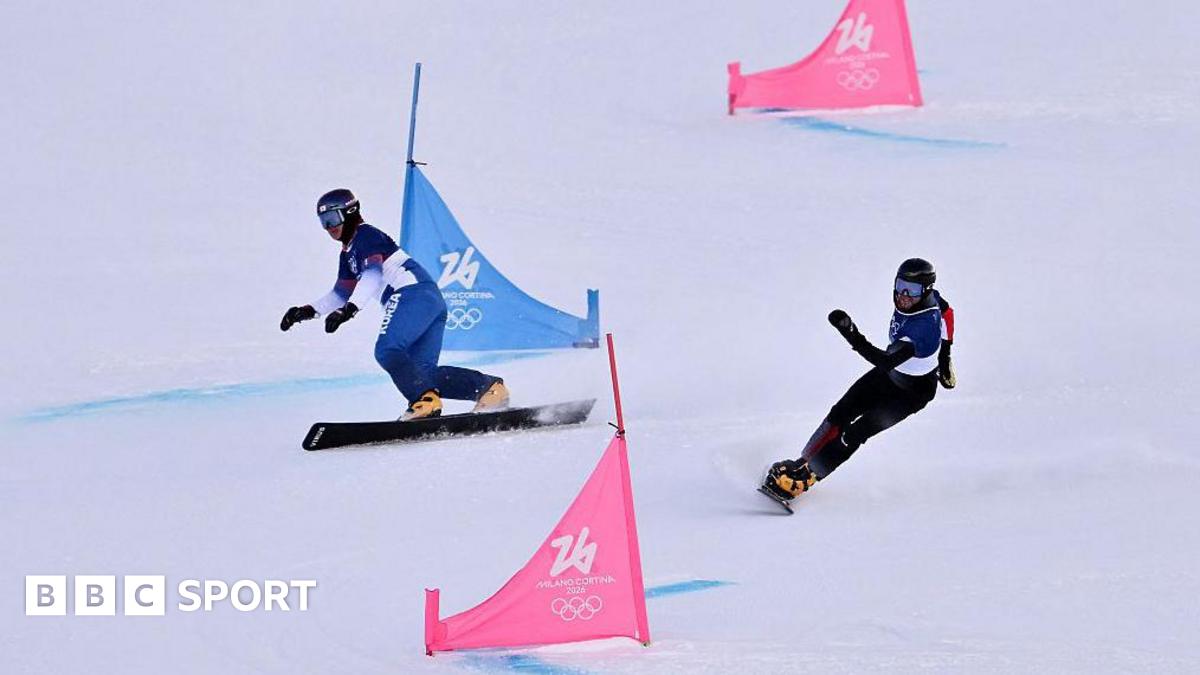
The International Olympic Committee (IOC) is nearing a final determination on the sports program for the 2030 Winter Olympics, with the inclusion of Nordic combined and parallel giant slalom currently under review. These sports, which face distinct challenges regarding gender equity and venue logistics, remain subject to formal approval by the IOC Executive Board as the organization balances modernization with tradition in its Olympic program.
The selection process for the 2030 Winter Games, which will be hosted in the French Alps, is governed by the Olympic Charter and the strategic framework set out in Olympic Agenda 2020+5. The IOC evaluates potential sports based on universal appeal, gender equality, and the ability to utilize existing infrastructure. For Nordic combined, the primary obstacle has been the sport’s historic lack of a women’s category, while parallel giant slalom faces scrutiny regarding its integration into the existing alpine skiing schedule.
The Status of Nordic Combined in Olympic Competition
Nordic combined, a sport featuring cross-country skiing and ski jumping, has been part of every Winter Olympics since the inaugural 1924 Games in Chamonix. However, its future has been clouded by concerns regarding gender parity. According to the International Olympic Committee, the sport must demonstrate a clear path toward providing equal competition opportunities for female athletes to remain a permanent fixture on the Olympic program.

The International Ski and Snowboard Federation (FIS) has been working to expand the women’s Nordic combined calendar, but the IOC has previously expressed reservations about the sport’s global reach and athlete participation numbers. In previous cycles, the IOC noted that Nordic combined had the lowest audience interest and participation metrics among all winter sports. The debate centers on whether the sport can adapt to meet the IOC’s strict requirements for gender representation and broadcast viability before the final venue and event list is ratified for the 2030 cycle.
Parallel Giant Slalom and the Alpine Program
Parallel giant slalom, a snowboarding discipline that has gained prominence in the FIS World Cup circuit, is also being evaluated for potential inclusion in the 2030 program. Unlike traditional downhill or slalom events, the parallel format offers a direct head-to-head competition that is often cited as more spectator-friendly for television audiences. However, the International Ski and Snowboard Federation must prove that adding this event will not lead to an unsustainable increase in the total number of athletes or the complexity of the host venue requirements.
The IOC’s strategy for the 2030 Games emphasizes cost-effectiveness and the use of existing venues. Parallel giant slalom, which requires specific course construction to allow for two riders to descend simultaneously, must fit within the footprint of the Alpine skiing venues already planned for the French Alps. If the event requires significant additional infrastructure, its chances of inclusion may decrease, as the IOC has signaled a preference for optimizing current facilities rather than new construction.
Criteria for Olympic Inclusion
The decision-making process for the 2030 Winter Games involves several key metrics defined by the IOC. These include:
- Gender Equality: The sport must offer equivalent events for both men and women.
- Universal Appeal: The discipline must demonstrate growth in international federations and participation across multiple continents.
- Cost and Complexity: The event must be deliverable using existing, temporary, or permanent venues in the host region.
- Youth Engagement: The sport must prove it resonates with younger demographics to ensure the long-term sustainability of the Olympic brand.
These criteria are applied to all sports currently under review, including those seeking to return to the program or debut for the first time. The Olympic Agenda 2020+5 serves as the guiding document for these evaluations, ensuring that any additions contribute to the overall goal of keeping the Winter Games lean and efficient.
What Happens Next?
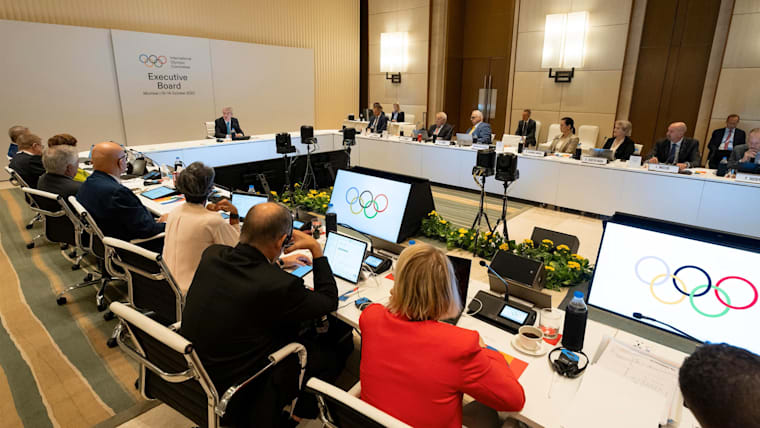
The final composition of the 2030 Winter Olympic program is expected to be finalized following a series of reports from the IOC Program Commission. The commission provides recommendations to the Executive Board, which then makes the final determination on the sports and events to be included. While the host city for 2030 has been identified, the specific event schedule is typically confirmed years in advance to allow for proper venue planning and qualification cycle adjustments.
Athletes and national federations are currently awaiting an official announcement from the IOC regarding the final list of events. Any changes to the program will directly impact the qualification pathways for the 2030 Games, with international competitions over the next several seasons serving as the primary proving grounds for athletes. Stakeholders are encouraged to follow the official IOC Newsroom for updates on program modifications and board meeting outcomes as the Olympic cycle progresses.
We welcome your thoughts on the evolution of the Winter Olympic program. Please share this report with your network and join the conversation in the comments below regarding the future of these historic sports.