
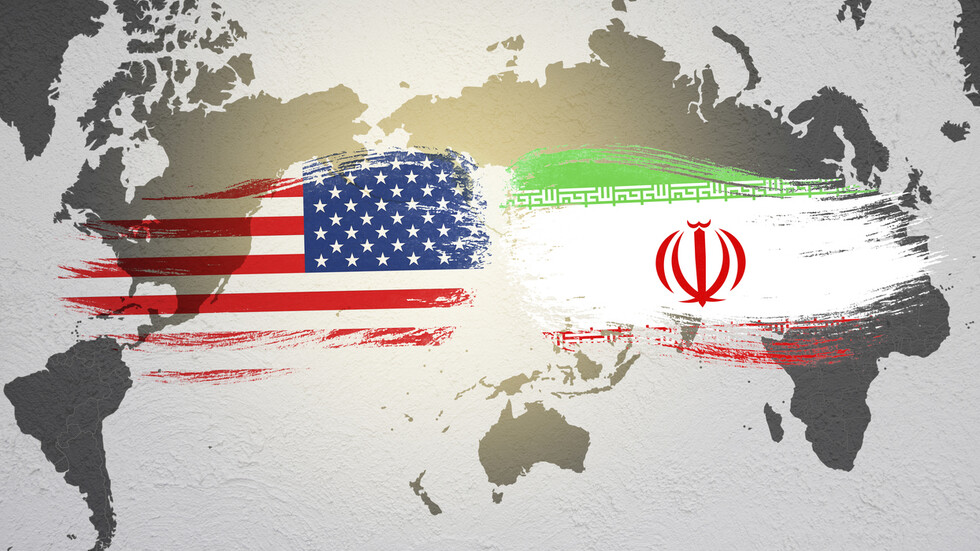
A coalition of 22 nations, including Bulgaria, has issued a formal joint statement condemning the Iranian government for conducting clandestine operations and targeting individuals across Europe, North America, and Australia. The declaration, coordinated by the United States and supported by a broad range of international partners, highlights increasing concerns regarding the activities of Iranian security services beyond their borders, which signatories characterize as transnational repression and threats to national sovereignty.
The joint position, released following coordinated intelligence sharing among the participating states, underscores a unified diplomatic effort to hold Tehran accountable for what the coalition describes as “malign activities” aimed at dissidents, journalists, and activists living in exile. According to the U.S. Department of State, these operations include surveillance, harassment, and documented attempts to orchestrate violence against individuals who have fled the Islamic Republic.
The Scope of International Concern
The coalition of 22 countries represents a significant cross-regional consensus, spanning NATO members and other key international partners. By including Bulgaria, the group signals that the security concerns are not limited to major global powers but extend to nations that have historically managed complex diplomatic relationships with the Middle East. The statement serves as a public warning that such extraterritorial actions are viewed as clear violations of international law and human rights norms.
The list of participants underscores the global nature of the threat. Beyond the United States and Bulgaria, the coalition includes the United Kingdom, Canada, Australia, and several European Union member states. The European Union’s external action services have previously noted that such activities undermine the security of citizens and residents within their jurisdictions. These governments emphasize that the targeting of political opponents abroad constitutes an unacceptable infringement on domestic security and the freedom of expression of their respective residents.
Documented Patterns of Transnational Repression
The joint statement is rooted in years of investigations by law enforcement agencies in multiple countries. These investigations have revealed a pattern of behavior that goes beyond simple espionage. In recent years, authorities in the United States and Europe have intercepted plots that included the recruitment of criminal networks to carry out surveillance or physical attacks against targeted individuals.
According to the U.S. Department of Justice, federal indictments have previously identified Iranian intelligence officers working to coordinate murder-for-hire schemes against high-profile critics of the regime. These legal actions often serve as the basis for the broader diplomatic condemnation seen in the latest joint declaration. The coalition members argue that these activities are not isolated incidents but reflect a systemic policy directed by Iranian security institutions to silence dissent globally.
Diplomatic and Security Implications
For Bulgaria and other participating nations, the decision to sign the declaration reflects a shift toward a more assertive stance on transnational security. By formally aligning with the United States on this issue, these countries are increasing the diplomatic pressure on Tehran, suggesting that future trade or diplomatic normalization may be contingent upon the cessation of these activities. The move is also intended to deter future operations by signaling that the international community is actively tracking and sharing intelligence on Iranian personnel involved in these plots.
The impact of this declaration extends to the protection of vulnerable populations, including Iranian diaspora communities. For many who have sought asylum or permanent residency in Europe or North America, the threat of harassment by foreign intelligence services is a persistent concern. The public nature of the condemnation is designed to reassure these individuals that their host governments are prioritizing their protection and are willing to take collective action against state-sponsored intimidation.
What Happens Next
The joint statement functions primarily as a diplomatic instrument, but it serves as a precursor to potential future sanctions or legal measures. While the declaration itself does not impose immediate new economic penalties, it provides a unified front that facilitates future multilateral sanctions. The next major checkpoint for this initiative will likely be the upcoming sessions of the UN Human Rights Council, where the issue of transnational repression is expected to be a recurring point of discussion.
Governments involved in the declaration have indicated they will continue to monitor activities within their borders and work with international partners to prosecute those involved in these operations. Citizens and interested observers can monitor official updates through the websites of national foreign ministries and the U.S. Department of State’s press office, where further evidence and policy updates regarding these security threats are periodically published.
This situation remains fluid as intelligence agencies continue to investigate ongoing threats. We invite our readers to share their perspectives on the balance between national security and diplomatic engagement in the comments section below.