Beyond Physical Exhaustion: Understanding the Rare Condition Causing Severe Post-Orgasmic Pain
For many, the aftermath of sexual activity is a period of relaxation and physical calm. However, for a 25-year-old man, a recent medical case has highlighted a much more harrowing reality: an experience of debilitating, full-body pain so intense that it left him unable to stand for an entire week following ejaculation. This case, which has drawn attention to the intersection of sexual health and rare systemic illnesses, underscores a medical phenomenon that many sufferers are often too embarrassed to discuss with healthcare providers.
The symptoms described—extreme physical collapse, intense muscular pain, and a prolonged period of incapacitation—point toward a complex and relatively rare medical condition known as Post-Orgasmic Illness Syndrome (POIS). While the symptoms may appear sudden and inexplicable, they represent a documented, albeit poorly understood, physiological response that can profoundly impact a person’s quality of life, mental health, and intimate relationships.
As medical awareness grows, experts are working to move these symptoms out of the realm of “shameful secrets” and into the light of clinical investigation. Understanding the mechanics of such rare conditions is essential for ensuring that those affected can receive proper diagnosis and management rather than suffering in silence.
What is Post-Orgasmic Illness Syndrome (POIS)?
Post-Orgasmic Illness Syndrome (POIS) is a rare condition characterized by a range of systemic symptoms that occur shortly after ejaculation. Unlike the standard physiological “refractory period”—the temporary recovery phase most men experience—the symptoms of POIS are pathological and debilitating. They are often described as feeling like a sudden, severe bout of the flu.
The onset of symptoms typically occurs within minutes or hours after orgasm, but the duration can vary significantly. For some, the symptoms may subside within a day, while for others, as seen in recent clinical observations, the period of incapacitation can last for several days or even a week. The physical toll can include:
- Severe Fatigue and Lethargy: An overwhelming sense of exhaustion that makes basic movements tough.
- Flu-like Symptoms: Including low-grade fever, chills, and sweating.
- Muscular and Joint Pain: Intense aches that can mimic systemic inflammation or viral infections.
- Neurological and Cognitive Issues: Often referred to as “brain fog,” this includes difficulty concentrating, memory lapses, and mental confusion.
- Mood Disturbances: Irritability, anxiety, or sudden bouts of depression following the episode.
Because these symptoms are so varied and can mimic many other common illnesses, the path to a correct diagnosis is often long and frustrating for patients.
The Hidden Burden: Why Diagnosis Remains Elusive
One of the primary hurdles in managing POIS is the significant social and psychological stigma surrounding male sexual health. Many men experiencing these symptoms may hesitate to report them to a general practitioner due to feelings of embarrassment or the fear that their symptoms will be dismissed as psychological rather than physical. This delay in seeking help can lead to prolonged suffering and unnecessary psychological distress.

the medical community has historically lacked extensive research into POIS, meaning many primary care physicians may not immediately recognize the pattern of symptoms. When a patient presents with “flu-like symptoms,” the standard clinical focus is often on common viruses or bacterial infections. Without a direct link established between the symptoms and the act of ejaculation, the underlying cause remains hidden.
To achieve an accurate diagnosis, medical professionals typically must rule out other potential causes, such as:
- Prostatitis: Inflammation or infection of the prostate gland.
- Hormonal Imbalances: Disruptions in testosterone or other endocrine functions.
- Chronic Fatigue Syndrome (ME/CFS): Which can present with similar levels of exhaustion.
- Autoimmune Disorders: Where the body’s immune system attacks its own tissues.
Investigating the Causes: Scientific Theories
While the exact etiology of Post-Orgasmic Illness Syndrome has not been definitively established, several scientific theories are currently being explored by researchers. The complexity of the syndrome suggests that it may involve multiple biological systems, including the immune, neurological, and endocrine systems.
The Autoimmune Hypothesis
One leading theory suggests that POIS may be an autoimmune response. In this scenario, the body may perceive certain proteins in seminal fluid as foreign invaders, triggering an inflammatory response throughout the system. This would explain why the symptoms are so systemic and mimic a viral infection.
The Histamine/Allergic Response Theory
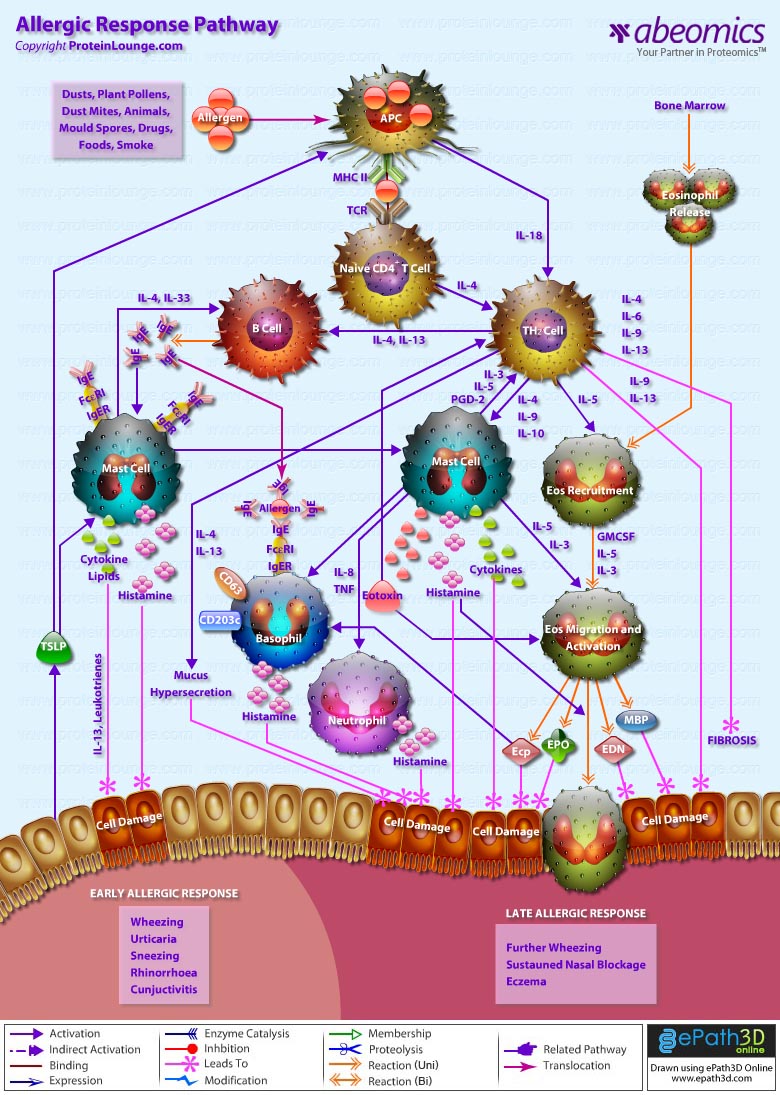
Another possibility is that the condition is a form of localized or systemic allergy. Some researchers suggest that an abnormal release of histamine following ejaculation could trigger the rapid onset of flu-like symptoms, including headaches, congestion, and fatigue.
Neurochemical and Hormonal Dysregulation
The intense neurochemical surge that accompanies orgasm—involving dopamine, oxytocin, and prolactin—could potentially trigger a maladaptive response in certain individuals. If the brain’s ability to regulate these “reward” chemicals is disrupted, it could lead to the profound cognitive “crash” and physical exhaustion reported by sufferers.
Further research into these biological pathways is essential to move from symptomatic management to targeted, curative treatments.
Navigating the Path to Treatment and Support
Because POIS is a complex condition, there is no single “silver bullet” cure. Treatment plans are highly individualized and typically focus on managing the severity of the symptoms and improving the patient’s quality of life. Patients are strongly encouraged to maintain a detailed symptom diary to help clinicians identify patterns in timing, duration, and triggers.
Current approaches to management often include:
- Pharmacological Interventions: Depending on the suspected cause, doctors may trial antihistamines, certain antidepressants (to manage neurochemical regulation), or hormone replacement therapies.
- Lifestyle Adjustments: Managing stress and ensuring adequate rest during the recovery period can mitigate the impact of the symptoms.
- Psychological Support: Given the impact on intimacy and mental health, counseling can be a vital component of a holistic treatment plan.
It is crucial for anyone experiencing unusual or debilitating symptoms following sexual activity to consult a medical professional, such as a urologist or an endocrinologist, to undergo a thorough clinical evaluation.
Frequently Asked Questions
Is POIS a permanent condition?
The progression of POIS varies greatly between individuals. For some, it may be episodic, while for others, it may become a chronic, ongoing issue. Clinical outcomes depend heavily on the underlying cause and the effectiveness of the chosen treatment.
Can sexual activity be “cured” by abstinence?
While abstinence may prevent the immediate onset of symptoms, it does not address the underlying biological cause. Most patients seek ways to manage the condition so they can maintain a healthy and active intimate life.
How can I talk to my doctor about this?
Approaching the topic as a physiological symptom—similar to how one would report a migraine or a sudden allergy—can help remove the emotional weight. Focus on the clinical details: when the pain starts, how long it lasts, and the specific physical sensations experienced.
As medical science continues to advance, the goal remains clear: to transform these rare and isolating experiences into manageable, well-understood medical conditions. The journey toward better diagnosis and treatment begins with open communication and continued clinical research.
For more updates on global health developments and medical research, please follow World Today Journal. If you found this information helpful, consider sharing it with your network to help raise awareness.
Related reading