
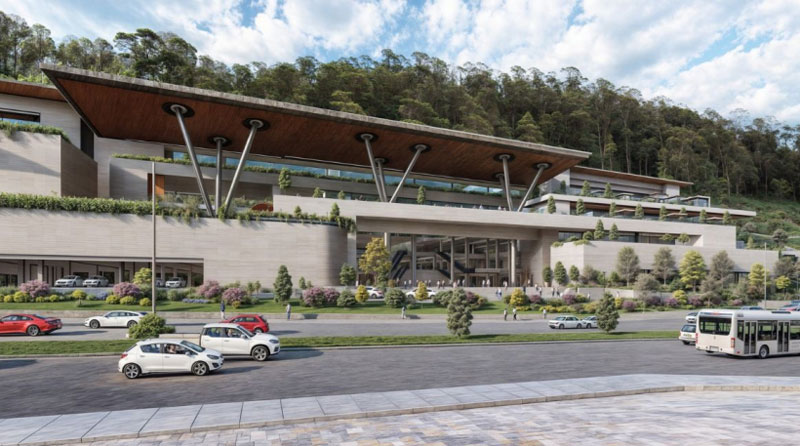
The commercial landscape of Cuenca, Ecuador, is poised for a transformative shift as a new wave of international retail giants prepares to enter the city’s market. The upcoming inauguration of the Mall del Alto is set to act as the primary catalyst for this expansion, bringing several global household names to the southern highlands for the first time.
For years, the retail sector in Cuenca has been dominated by local enterprises and established regional players. However, the arrival of high-profile franchises—including Starbucks, H&M, Victoria’s Secret, and Old Navy—signals a significant maturation of the local consumer market. This influx of global capital and brand recognition suggests that Cuenca is increasingly viewed by multinational corporations as a viable hub for mid-to-high-tier retail consumption within the Andean region.
This development is not merely a matter of new storefronts; it represents a strategic pivot in Ecuador’s retail geography. As international brands look beyond the primary economic centers like Quito and Guayaquil, the expansion into Cuenca highlights the city’s growing purchasing power and its evolving role as a sophisticated urban center. The scale of the Mall del Alto project, which is expected to host a vast array of international and domestic brands, underscores the ambitious nature of this commercial revitalization.
A New Era for Retail in the Southern Highlands
The introduction of international franchises into Cuenca marks a milestone in the city’s economic history. The Mall del Alto is designed to be more than a traditional shopping center; it is being positioned as a comprehensive lifestyle destination. By integrating diverse sectors—ranging from fashion and beauty to specialized food and beverage services—the development aims to capture a wide demographic of consumers.
The brand list associated with this expansion is notable for its breadth. Consumers in Cuenca will soon have direct access to global fashion leaders such as H&M and Old Navy, as well as specialized retail icons like Victoria’s Secret. This level of variety is expected to alter local shopping habits, potentially reducing the necessity for residents to travel to larger metropolitan areas to access specific global brands.
The food and beverage sector is also seeing a significant upgrade. The debut of Starbucks and Krispy Kreme in the city introduces a specific type of “experience-based” dining that has become a staple of modern urban retail. These brands often serve as “anchor tenants,” driving foot traffic that benefits smaller, local vendors within the same ecosystem.
Driving Force: The Brand Influx and Market Maturity
The decision by global entities to enter the Cuenca market is a strong indicator of economic confidence. Retailers typically conduct extensive market research before committing to such large-scale expansions. The presence of brands like Taco Bell and various international fashion retailers suggests that the consumer profile in Cuenca is increasingly aligned with global middle-class trends, characterized by a demand for standardized, recognizable brand experiences.
This expansion also highlights the role of franchise operators in the Ecuadorian market. Many of these global brands enter the country through established partnerships with local or regional distributors who possess the logistical expertise to navigate the Ecuadorian regulatory and economic environment. This collaborative model allows international brands to scale rapidly while leveraging local market intelligence.
From a macroeconomic perspective, the arrival of these brands contributes to the formalization of the retail economy. The presence of multinational corporations necessitates adherence to standardized labor practices, international supply chain logistics, and rigorous tax compliance, all of which contribute to the broader economic stability and sophistication of the region.
Economic and Urban Implications
The opening of a major commercial hub like Mall del Alto carries profound implications for the local economy. Beyond the immediate retail activity, the project is expected to generate significant employment opportunities, ranging from direct roles in retail and management to indirect roles in logistics, maintenance, and security.
the concentration of such a high volume of brands and consumers will likely spark a “clustering effect.” Nearby businesses may see increased visibility, and the surrounding real estate market could experience upward pressure as the area becomes a primary commercial destination. This urban development can lead to improved infrastructure and increased public and private investment in the surrounding districts.
However, such rapid commercial growth also necessitates careful urban planning. The influx of a large number of consumers to a single concentrated area requires proactive management of local resources and services to ensure that the benefits of growth are not offset by urban congestion or service strain.
Logistics and Infrastructure Management
With the scale of the Mall del Alto, local authorities and developers are increasingly focused on the logistical realities of such a massive commercial undertaking. A primary concern for any large-scale retail destination is mobility. The anticipated increase in vehicular and pedestrian traffic requires a comprehensive mobility plan to prevent congestion and ensure seamless access for both residents and visitors from neighboring provinces.
Effective traffic management and the integration of the mall into the existing public transportation network will be critical to its long-term success. Urban planners are tasked with ensuring that the infrastructure can support the heightened demand for parking, road usage, and public transit connectivity that follows the opening of a major shopping hub.
the operational success of the mall depends on robust supply chain management. The ability of international brands to maintain consistent inventory levels in the southern highlands requires efficient logistics corridors connecting Cuenca to major ports and distribution centers. The success of this retail expansion will, in many ways, be a test of Ecuador’s internal logistical capabilities.
Key Takeaways
- Major Brand Debut: Cuenca will welcome several global giants, including Starbucks, H&M, Victoria’s Secret, and Old Navy, marking a significant retail milestone.
- Economic Catalyst: The Mall del Alto is expected to drive job creation and stimulate the local service and real estate sectors.
- Market Maturity: The expansion signals growing consumer purchasing power and a shift toward international brand preferences in the region.
- Urban Challenges: The project necessitates advanced mobility and infrastructure planning to manage increased traffic and logistical demands.
As the inauguration of the Mall del Alto approaches, the business community and local residents alike will be watching closely to see how this influx of international retail reshapes the economic fabric of Cuenca. The successful integration of these global brands will serve as a bellwether for further retail expansion throughout Ecuador.
Next Steps: Stakeholders are awaiting the finalization of the official opening schedule and the release of detailed mobility guidelines from local municipal authorities. We will continue to monitor official announcements regarding the mall’s operational commencement.
What do you think about the arrival of these international brands in Cuenca? Will this change the way you shop? Share your thoughts in the comments below and share this article with your network.
Related reading