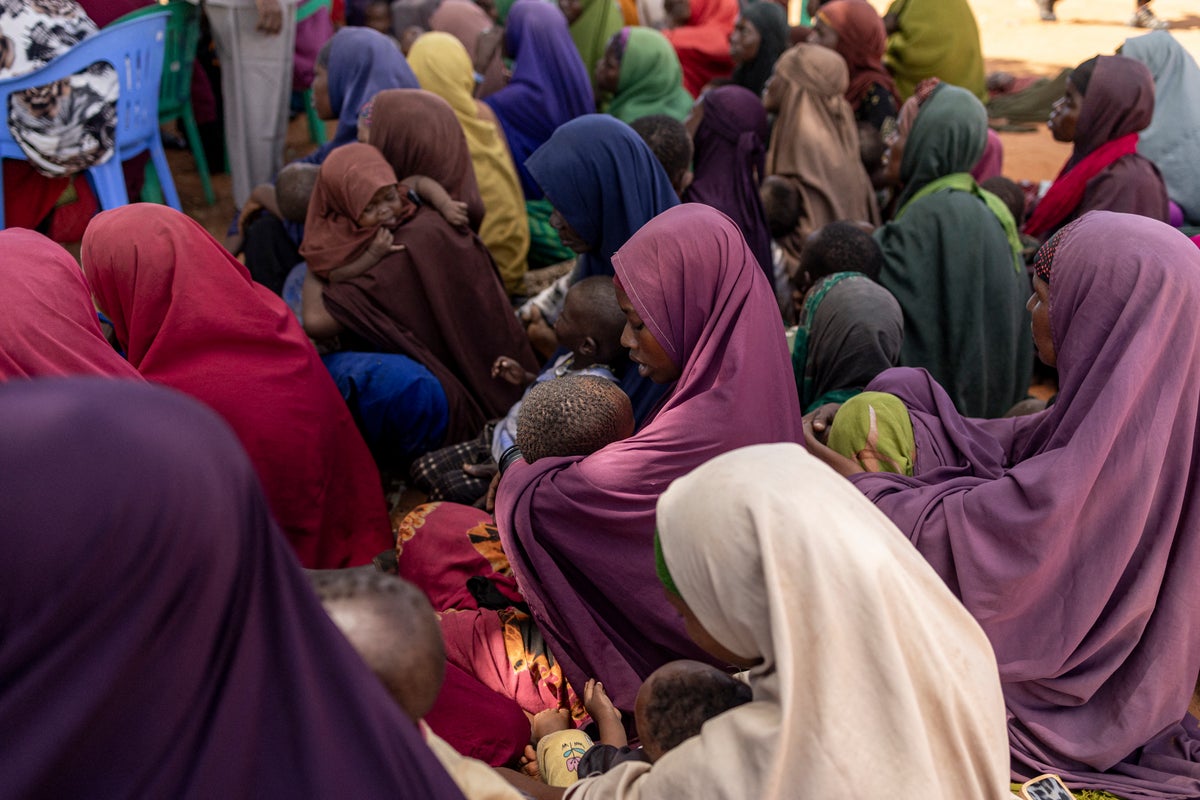
People in food crisis around the globe have doubled over the past decade, with foreign aid plummeting to its lowest level in ten years, according to the latest Global Report on Food Crises released on April 24, 2026. The report, issued by the Global Network Against Food Crises, reveals that acute hunger has reached alarming levels, with two famines declared in 2025 for the first time in the report’s history. This marks a sharp escalation in the most extreme forms of hunger and malnutrition, driven primarily by conflict and restricted humanitarian access, and exacerbated by forced displacement.
The findings come as the World Food Programme warns that food insecurity is expected to remain at alarming levels throughout 2026, with hidden hunger—micronutrient deficiencies affecting billions—further weakening health systems and stunting economic growth. Ongoing conflicts, climate variability, and global economic uncertainty are sustaining or worsening conditions in many countries, particularly where access to aid is limited. Ten countries—Afghanistan, Bangladesh, the Democratic Republic of the Congo, Myanmar, Nigeria, Pakistan, South Sudan, Sudan, the Syrian Arab Republic, and Yemen—accounted for two-thirds of all people facing high levels of acute hunger in the latest assessment.
Afghanistan, South Sudan, Sudan, and Yemen experienced the largest food crises both in terms of share and absolute number of people facing high levels of acute food insecurity. At the most extreme end, famine was identified in Gaza Governorate and parts of Sudan in 2025 by the Integrated Food Security Phase Classification (IPC) system. Here’s the first time since the GRFC began reporting that famine has been confirmed in two separate contexts in the same year, signaling a dangerous intensification of humanitarian emergencies worldwide.
Climate and Conflict Drive Surge in Food Insecurity
Climate change is increasingly disrupting global food production, logistics, and commodity markets, contributing to crop failures, river transport bottlenecks, and extreme price volatility. Extreme weather caused $50 billion in economic losses during 2025, with tropical cyclones identified as the most serious disruptor to global crop supplies. Drying rivers severely disrupt food logistics, causing delays and capacity cuts, while floods and droughts turn previously fertile land into no-grow zones, threatening staples from wheat and rice to coffee and cocoa.
These climate-driven disruptions are compounded by ongoing conflicts that restrict humanitarian access and displace populations, making it harder for aid organizations to reach those in necessitate. The combination of war, environmental stress, and economic instability has created a perfect storm for food insecurity, particularly in regions already vulnerable due to poverty and weak infrastructure. Real-time monitoring and early data insights are becoming essential tools for building resilience across food and beverage supply chains.
Aid Funding Falls to 2016 Levels Amid Growing Needs
Despite the rising scale of need, international funding for food crisis response has retreated to levels last seen in 2016, creating a widening gap between demand and available resources. The World Food Programme emphasizes that sustained donor support in 2026 is critical to delivering life-saving assistance and building long-term solutions to improve food security and nutrition. Without increased investment, efforts to prevent famine and address hidden hunger will fall short, perpetuating cycles of poverty and instability.
The WFP’s 2026 Global Outlook calls for proven solutions that maximize the impact of every dollar donated through effective and efficient programs. It urges the international community to act now to stop the spread of hunger and get back on track toward a world with zero hunger. Key priorities include strengthening early warning systems, improving access to nutritious foods, and supporting climate-resilient agriculture in the most affected regions.
What This Means for Global Stability
Food insecurity is not just a humanitarian issue—it is a threat to global stability. Malnutrition weakens immune systems, stunts child development, and reduces economic productivity, deepening poverty and increasing the risk of social unrest. When families cannot access enough nutritious food, they are more likely to migrate, leading to increased pressure on host communities and potential cross-border tensions.

Addressing the root causes of food crises requires coordinated action among governments, international organizations, and local communities. Investments in conflict prevention, climate adaptation, and sustainable food systems are essential to breaking the cycle of hunger. The data shows that without urgent intervention, the number of people facing acute food insecurity will continue to rise, undermining progress toward the United Nations Sustainable Development Goals.
The next major update on global food security trends is expected in mid-2026 with the release of the WFP’s Global Outlook mid-year report. Until then, humanitarian agencies will continue monitoring hotspots and advocating for increased support to prevent further deterioration.
Stay informed about global food security developments and share this article to help raise awareness about one of the most pressing challenges facing our world today.
Keep reading