
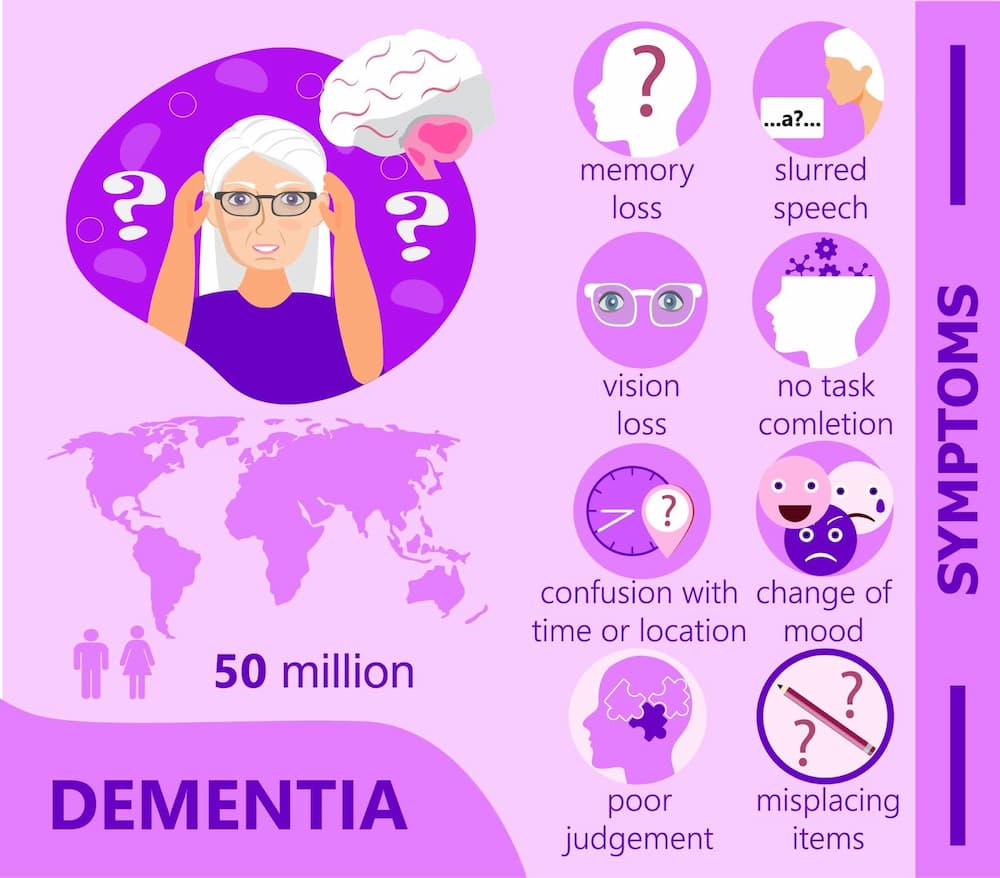
For decades, the prevailing medical narrative suggested that dementia was an inevitable consequence of aging—a genetic lottery that one simply had to accept. However, emerging evidence is shifting the focus from inevitable decline to proactive prevention. New clinical insights highlight that the road to dementia is often paved with manageable health conditions that surface years, and sometimes decades, before cognitive impairment begins.
The most significant recent advancement in this field comes from the 2024 report of the Lancet standing Commission on Dementia Prevention, Intervention, and Care. The report emphasizes that a substantial portion of dementia cases could be delayed or prevented entirely by addressing specific modifiable risk factors across a person’s lifespan. By identifying these early warning signs and treating them aggressively, individuals can grab a direct role in preserving their cognitive longevity.
As a physician and health journalist, I have seen how the intersection of metabolic health and neurology often goes overlooked in primary care. The critical takeaway from current research is that the brain does not exist in isolation; it is deeply influenced by the health of the heart, the eyes, and the endocrine system. When we manage a condition like hypertension or vision loss, we are not just treating a symptom—we are potentially shielding the brain from future degeneration.
The 14 Modifiable Risk Factors for Dementia
The 2024 Lancet Commission has identified 14 modifiable risk factors that contribute to the development of dementia. These factors are categorized by the stage of life in which they have the most significant impact. While some are lifelong habits, others are clinical conditions that require medical intervention.
According to the commission, addressing these 14 factors could potentially reduce the number of dementia cases by nearly half. Two critical additions to the previous 2020 list include high cholesterol
and vision loss
, reflecting a growing body of evidence linking vascular health and sensory input to brain resilience. Neurology Today reports that these additions underscore the importance of comprehensive geriatric care that looks beyond memory loss.
The risk factors are generally grouped into three life stages:
Early Life
- Education: Lower levels of education in early life are linked to a higher risk, as cognitive reserve—the brain’s ability to improvise and uncover alternate ways of getting a job done—is built through lifelong learning.
Mid-Life
- Hearing Loss: One of the most significant modifiable risks; untreated hearing loss can lead to social isolation and reduced cognitive stimulation.
- Hypertension: High blood pressure, particularly in mid-life, damages the small blood vessels in the brain.
- Obesity: Excess weight is linked to systemic inflammation and metabolic dysfunction.
- Smoking: Tobacco use increases the risk of vascular dementia and Alzheimer’s.
- Alcohol Consumption: Excessive drinking can lead to direct neurotoxicity and brain atrophy.
- Diabetes: Poorly managed blood glucose levels can damage neurons and blood vessels.
- Physical Inactivity: A sedentary lifestyle reduces blood flow to the brain and impairs neuroplasticity.
- Social Isolation: A lack of meaningful social connection is a potent driver of cognitive decline.
Later Life
- Depression: While often seen as a symptom of dementia, depression can also be a risk factor that precedes it.
- Physical Inactivity: Maintaining mobility in old age is crucial for brain health.
- Vision Loss: The recent addition to the Lancet list; loss of visual input reduces the brain’s overall stimulation.
- High Cholesterol: Elevated LDL levels can contribute to the buildup of plaques in the brain’s arteries.
- Untreated Hearing Loss: Continuing to address sensory deficits into late adulthood is vital.
Why These Conditions Act as “Early Warnings”
Many of these 14 factors are not “diseases” in the traditional sense but are markers of systemic health. For example, high cholesterol and hypertension are not just cardiovascular issues; they are markers of vascular health. Because the brain is one of the most blood-hungry organs in the body, any condition that compromises the integrity of the blood vessels—such as atherosclerosis or chronic hypertension—inevitably affects cognitive function.
Similarly, sensory deficits like hearing and vision loss act as “silent” triggers. When a person can no longer hear a conversation or witness their surroundings clearly, they often subconsciously withdraw from social interactions. This leads to a cascade of social isolation and decreased mental stimulation, which accelerates the atrophy of the prefrontal cortex and other critical brain regions.
The “29 conditions” often referenced in public health discussions (including the factors listed by the Lancet Commission and associated comorbidities like sleep apnea or chronic kidney disease) serve as a clinical roadmap. They are the “canaries in the coal mine.” If a patient presents with mid-life obesity and untreated hypertension, the clinical focus should not only be on the heart but on the long-term preservation of the mind.
Practical Steps for Risk Reduction
The most empowering aspect of the 2024 Lancet findings is the assertion that the majority of these risks are actionable
. Prevention is not about a single “superfood” or a specific supplement, but about the cumulative effect of systemic health management.
Vascular and Metabolic Management
Regular screening for blood pressure and cholesterol is paramount. Maintaining a blood pressure reading within the recommended guidelines and managing LDL cholesterol through diet or medication (such as statins, under medical supervision) can significantly reduce the risk of vascular dementia.
Sensory Preservation
There is a profound link between hearing aids and cognitive preservation. Addressing hearing loss early—rather than waiting until it severely impacts daily life—helps maintain the neural connections required for language processing and social engagement. Similarly, regular eye exams and the correction of vision impairment are now recognized as essential components of brain health.
Lifestyle Interventions
The evidence for physical activity is overwhelming. Regular aerobic exercise increases the production of brain-derived neurotrophic factor (BDNF), a protein that supports the survival of existing neurons and encourages the growth of new ones. Combined with a diet rich in omega-3 fatty acids, antioxidants, and low processed sugars, this forms the bedrock of neuroprotection.

Key Takeaways for Cognitive Longevity
- Monitor the “Silent” Risks: Hypertension and high cholesterol often have no symptoms but are primary drivers of cognitive decline.
- Prioritize Senses: Correct hearing and vision loss immediately to prevent social withdrawal and brain under-stimulation.
- Lifelong Learning: Education doesn’t end at school; reading, learning new skills, and staying curious build “cognitive reserve.”
- Move Regularly: Physical activity is as much for the brain as it is for the body.
- Stay Connected: Combat social isolation through community engagement and strong interpersonal relationships.
The Path Forward: From Treatment to Prevention
The shift in dementia care is moving toward a “life-course” approach. Rather than treating dementia as a condition that begins at age 65, we must view it as a process that begins in mid-life. The 2024 Lancet report provides the evidence needed to move healthcare systems toward preventative screenings that include cognitive risk assessments alongside standard blood work.
For the individual, this means shifting the perspective from fear to agency. While genetics (such as the APOE-ε4 allele) play a role, they are not destiny. By managing the 14 modifiable risk factors, individuals can effectively “buffer” their brains against the genetic or age-related risks they may carry.
The next critical checkpoint in this global effort will be the integration of these 14 risk factors into standard primary care guidelines. As health organizations move to implement these findings, we can expect to see more integrated “brain health” clinics that combine cardiology, audiology, and neurology into a single preventative strategy.
Do you have a strategy for maintaining your cognitive health, or have you noticed how managing other health conditions has improved your mental clarity? Share your thoughts and experiences in the comments below.