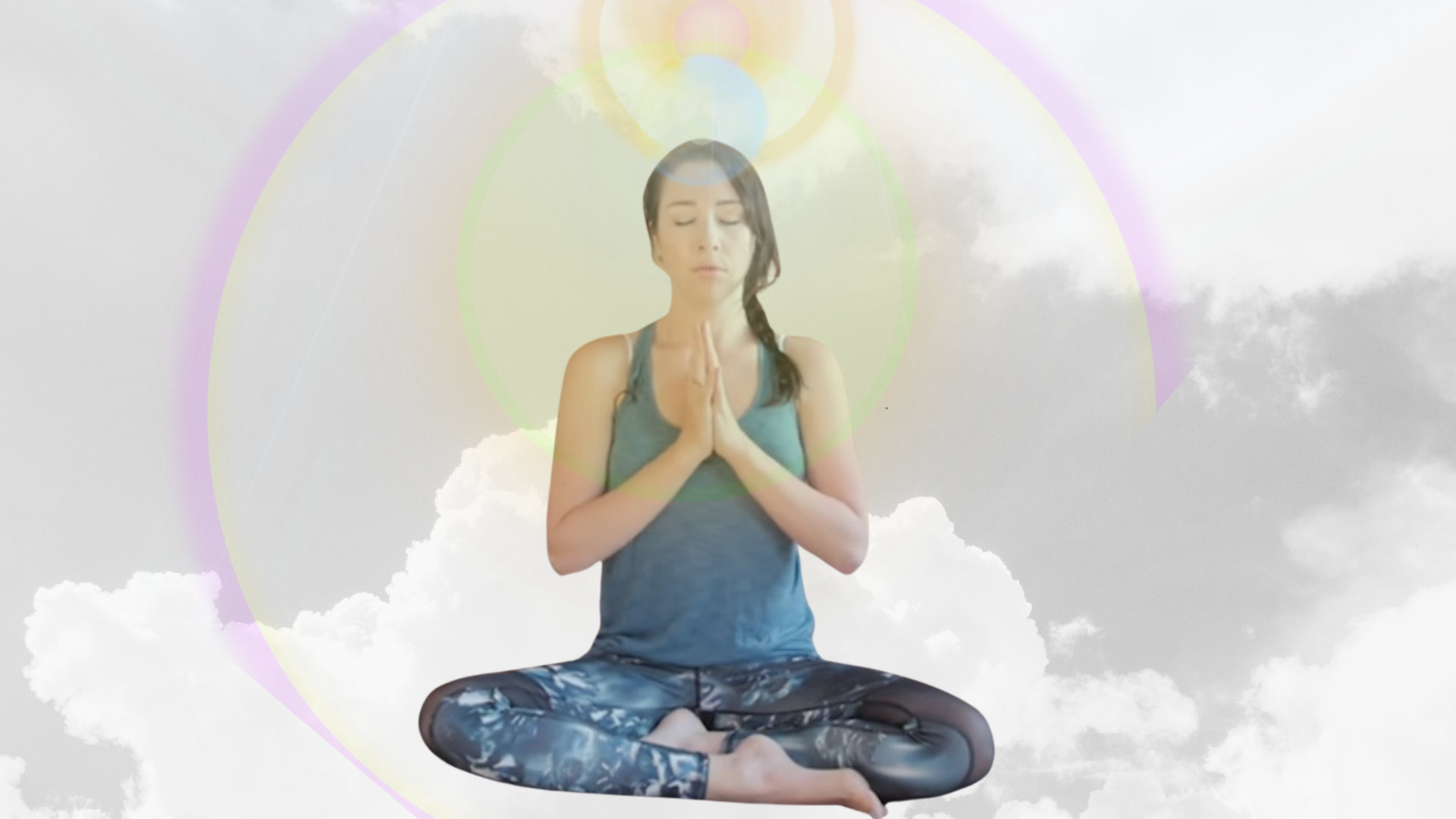
Yin yoga for the third-eye chakra focuses on slow, passive postures and mindful stillness to target the connective tissues and stimulate the Ajna chakra, located between the eyebrows. By holding poses for several minutes, practitioners aim to reduce mental chatter and access intuitive clarity, according to traditional yoga philosophy and contemporary mindfulness practices.
This 30-minute practice combines specific physical alignments with focused breathwork to encourage a state of deep relaxation. Unlike active yoga styles, Yin yoga emphasizes the “cooling” aspect of the practice, prioritizing the release of tension in the fascia and joints to facilitate a calmer nervous system response.
The third-eye chakra, or Ajna, is associated in Vedic tradition with intuition, self-realization, and the ability to see beyond the physical world. While Western medicine does not recognize chakras as anatomical structures, the physiological effects of the associated poses—such as gentle inversions and prolonged stillness—can lower cortisol levels and promote a parasympathetic nervous system response, as documented in various studies on mindfulness-based stress reduction.
The Mechanics of Yin Yoga and the Ajna Chakra
Yin yoga differs from Yang styles, like Vinyasa or Hatha, by focusing on the “yin” tissues: the ligaments, joints, and fascia. According to the Yoga Alliance, the practice involves holding poses for longer durations—typically three to five minutes—to allow these deeper tissues to stretch and release. This slow pace is designed to create a meditative state, which is essential for focusing on the third-eye chakra.
The third-eye chakra is believed to govern the pituitary gland, the “master gland” of the endocrine system. By incorporating poses that gently compress or stimulate the forehead and brow area, practitioners seek to balance this energetic center. From a clinical perspective, the focus on the brow often coincides with a shift in attention away from external stimuli, which can help quiet the prefrontal cortex and reduce anxiety.
To maximize the benefits of a 30-minute session, the practice typically follows a sequence of grounding, opening, and centering. This progression ensures the body is physically prepared for the mental stillness required to engage with intuitive processes.
30-Minute Sequence for Intuitive Clarity
A standard 30-minute Yin sequence for the third-eye chakra emphasizes poses that encourage a sense of internal gaze and stability. Each pose should be held with a “relaxed edge,” meaning the practitioner feels a mild stretch but avoids any sharp pain.
Child’s Pose (Balasana) – 5 Minutes
Starting in Child’s Pose allows the practitioner to turn inward. By resting the forehead firmly on the mat, there is a direct physical connection to the area of the third-eye chakra. This pose helps shut out visual distractions and signals to the brain that it is safe to relax. Focus the breath into the lower back, allowing the shoulders to melt toward the floor.
Sphinx Pose – 5 Minutes
Lying on the stomach and propping the torso up on the forearms creates a gentle compression in the lower back and a slight lift in the chest. This pose opens the heart while keeping the gaze soft and forward. To connect with the third eye, practitioners are encouraged to keep the eyes closed or maintain a “soft focus” on a single point on the floor, preventing the mind from wandering.
Butterfly Pose (Baddha Konasana) – 5 Minutes
Sitting with the soles of the feet together and allowing the knees to drop open targets the hips, where many people store emotional tension. As the torso folds forward, the head hangs heavy, allowing gravity to create a gentle traction in the cervical spine. This inversion of the head helps shift blood flow toward the brain, which is often associated with a feeling of mental clarity.
Supported Bridge Pose – 5 Minutes
Using a block or firm pillow under the sacrum elevates the hips. This gentle inversion allows the heart to sit above the head, subtly altering the circulatory flow. In this position, practitioners are encouraged to place their awareness on the space between their eyebrows, imagining a point of light or a sense of openness.
Savasana with Eye Pillow – 10 Minutes
The final resting pose is the most critical for chakra work. Using a weighted eye pillow provides a gentle pressure on the third-eye area, which can stimulate the vagus nerve and deepen the relaxation response. This period of total stillness is where the “integration” of the practice occurs, allowing the intuitive insights gained during the session to surface.
Physiological and Psychological Impact
The practice of Yin yoga for the third-eye chakra is more than a spiritual exercise; it has measurable effects on the human body. Prolonged stretching of the fascia triggers the release of myofascial tension, which is often linked to chronic stress. According to the National Center for Complementary and Integrative Health (NCCIH), mindfulness and yoga can be effective tools for managing stress and improving overall well-being.
When a practitioner focuses on the third-eye chakra, they are engaging in a form of focused-attention meditation. This process can increase the thickness of the prefrontal cortex and decrease the activity of the amygdala, the part of the brain responsible for the “fight or flight” response. By calming this area, the individual becomes more receptive to “gut feelings” or intuitive hits that are often drowned out by stress hormones like cortisol.
The use of props—such as bolsters, blocks, and blankets—is essential in Yin yoga to ensure the body is fully supported. When the muscles are completely relaxed, the nervous system can shift from sympathetic (stress) to parasympathetic (rest and digest) mode. This shift is what allows the practitioner to move from a state of doing to a state of being, which is the core objective of Ajna chakra work.
Practical Safety Guidelines for Practitioners
While Yin yoga is generally accessible, the long hold times require caution. Practitioners should be aware of their physical limits to avoid overstretching ligaments. If a pose causes a sharp or stabbing sensation, the practitioner should back out immediately.
- Joint Support: Use folded blankets under the knees or ankles if the floor feels too hard, preventing joint bruising.
- Breath Awareness: Avoid holding the breath. Deep, diaphragmatic breathing is necessary to oxygenate the blood and signal safety to the brain.
- Medical Precautions: Individuals with high blood pressure or glaucoma should avoid full inversions or deep head-down poses without consulting a physician, as these can increase intraocular and cranial pressure.
- Mental State: If a pose triggers an intense emotional release—a common occurrence in Yin yoga due to the release of fascia—practitioners should gently return to a neutral position and focus on a grounding object in the room.
For those new to the practice, starting with shorter hold times (two minutes instead of five) is recommended to allow the connective tissues to adapt gradually. Consistency is more valuable than intensity in Yin yoga; a regular 30-minute practice is more effective for intuitive awakening than an occasional long session.
The next step for those looking to deepen their practice is the integration of “Bija Mantras” or seed sounds, which are specific vibrations used in traditional yoga to resonate with different chakras. Further guidance on these techniques can be found through certified yoga instructors or recognized mindfulness institutions.
Share your experience with this 30-minute sequence in the comments below or share this guide with someone seeking a moment of mental stillness.
Related reading