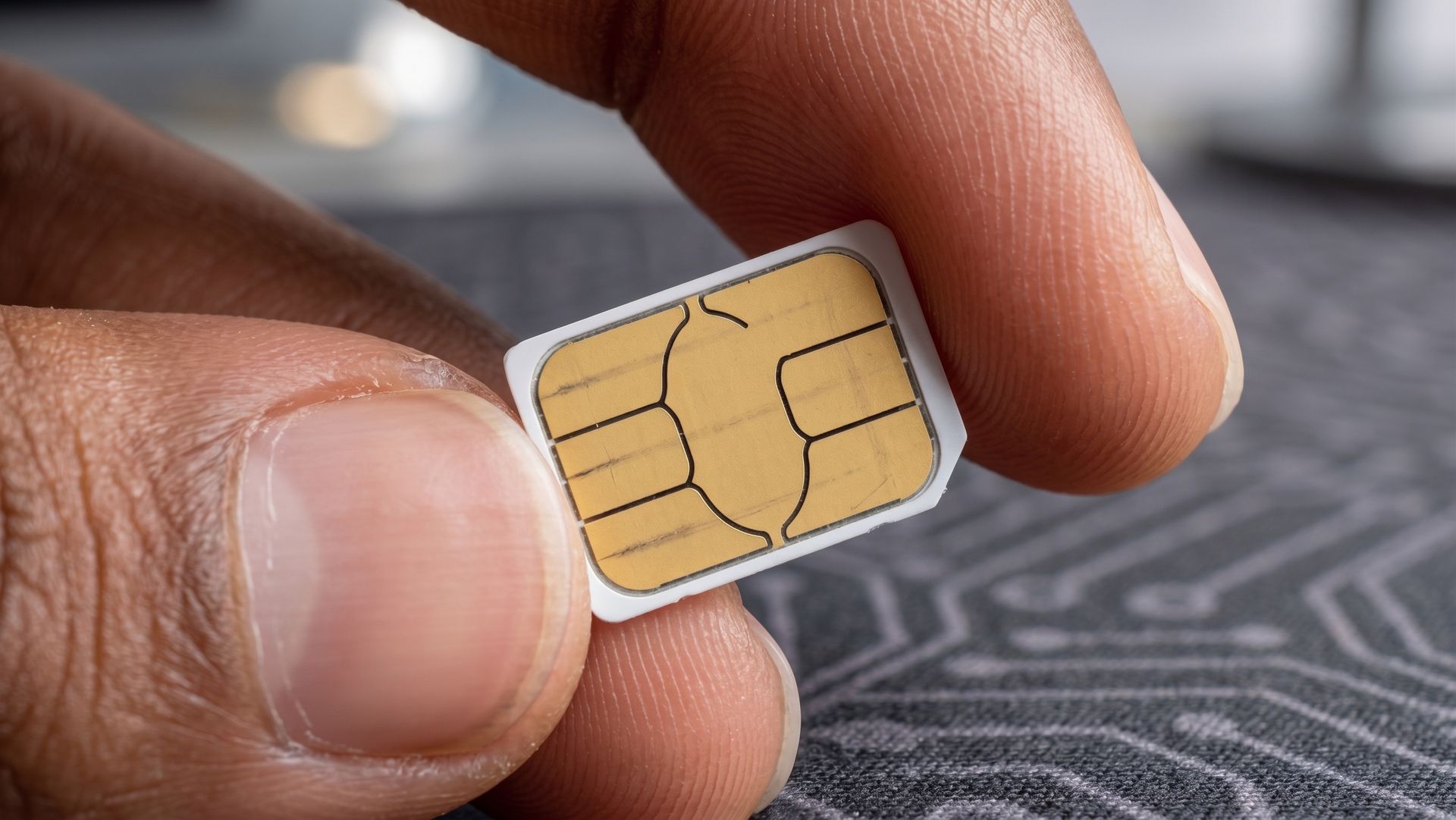
In the third quarter of 2024, approximately 360,000 Polish mobile subscribers exercised their right to switch network operators while retaining their existing phone numbers. This data, released by the Office of Electronic Communications (UKE) in its latest quarterly report, highlights ongoing shifts in consumer loyalty across the nation’s telecommunications landscape. The report serves as the official record for mobile number portability (MNP) activity during the specified period, reflecting competitive pressures within the domestic market.
The regulatory framework for these transfers is governed by the Telecommunications Law, which mandates that operators facilitate number porting within a specific timeframe to ensure consumer choice and market competition. According to the Office of Electronic Communications (UKE), the process is designed to be seamless for the end-user, requiring minimal intervention from the subscriber once the request is submitted to the recipient network. These figures represent a snapshot of churn rates, which remain a primary metric for evaluating the health of the Polish mobile sector.
Market Dynamics and Operator Performance
The latest UKE figures indicate distinct trends in how subscribers are redistributing their loyalty among the major infrastructure providers. While the overall volume of 360,000 transfers reflects significant movement, the net balance of these migrations varies considerably by operator. Orange Polska has consistently appeared as a primary beneficiary in recent quarters, recording a positive net balance in the number of acquired subscribers compared to those who have departed its network.
Conversely, other major market players have faced higher rates of attrition. Analysts monitoring the sector point to aggressive promotional campaigns, bundled service offerings—such as fiber-optic internet paired with mobile contracts—and improvements in 5G infrastructure coverage as the primary drivers behind these shifts. The UKE’s comprehensive market reports provide the necessary context for these fluctuations, identifying that price sensitivity and service quality are the two most cited reasons for consumers opting to switch providers.
Understanding Mobile Number Portability
For the average consumer, the ability to move a number is a standard feature of the market, yet the process involves complex backend coordination between operators. The Telecommunications Law establishes the legal obligations for service providers to maintain the central database that tracks these movements. When a customer initiates a switch, the recipient operator coordinates with the donor operator to ensure that the service transition occurs without prolonged downtime.
The data suggests that the “stickiness” of a customer is increasingly tied to the ecosystem of services an operator can provide. Households that utilize a single provider for television, home internet, and multiple mobile lines are statistically less likely to initiate a transfer. This trend has pushed operators to prioritize multi-play packages to mitigate the churn observed in the quarterly MNP reports.
Next Steps for Consumers and Market Observers
The next major update regarding market shifts will be included in the upcoming periodic report from the Office of Electronic Communications. These reports are typically published on a quarterly basis, providing a consistent timeline for stakeholders to evaluate competitive trends. Consumers looking to review their own rights or verify the status of a porting request can find official guidance on the UKE Consumer Information Center website.
As the Polish telecommunications market continues to evolve, particularly with the further rollout of standalone 5G networks, industry observers expect the competition for subscribers to remain intense. Keeping an eye on these quarterly metrics remains one of the most effective ways to understand which operators are successfully aligning their service offerings with current consumer demands. We invite readers to share their experiences with network switching or to discuss how these market trends have influenced their own choice of provider in the comments below.