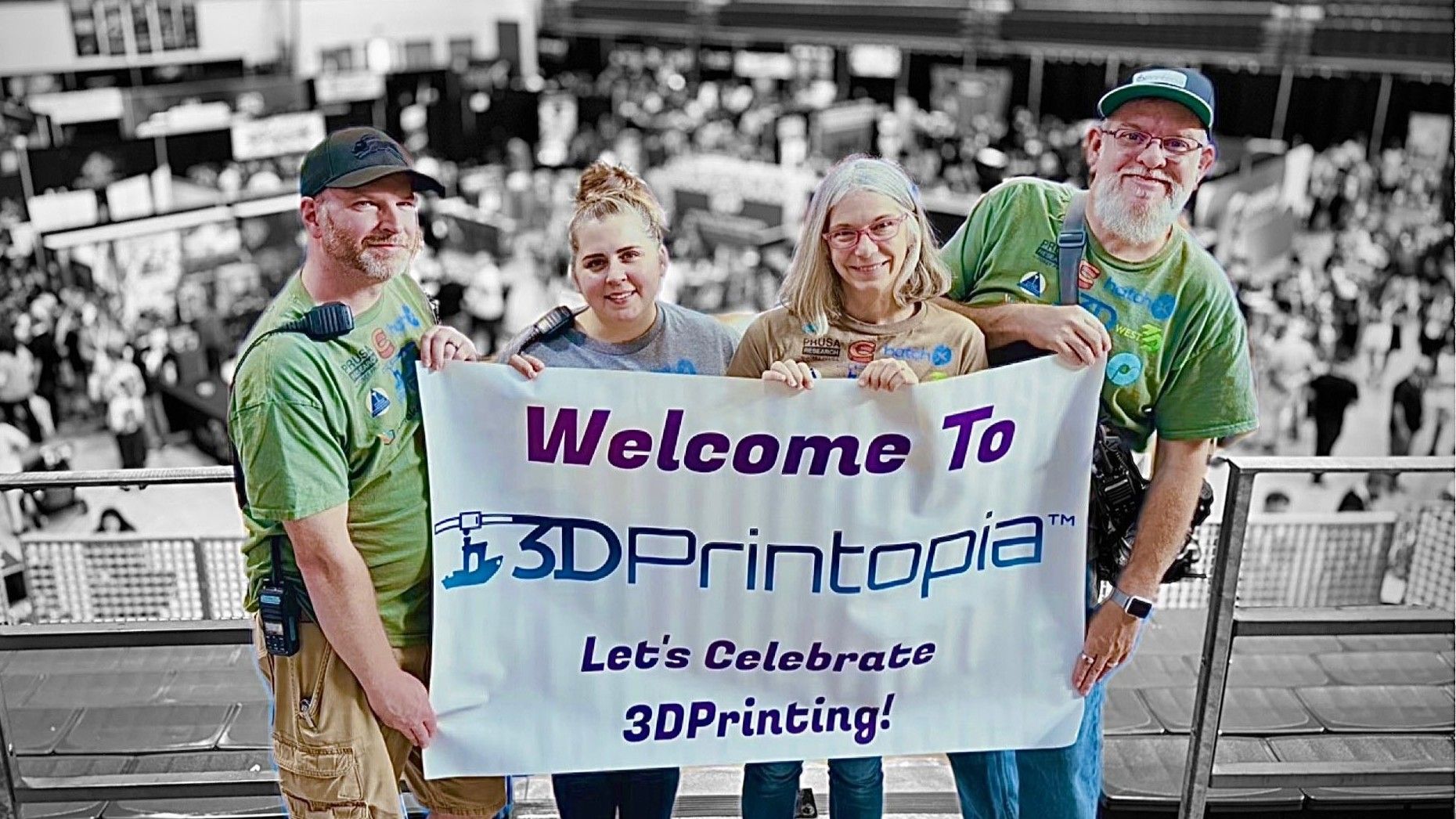
The future of 3D Printing: A Glimpse into 3DPrintopia 2025
The world of additive manufacturing is rapidly evolving, and a recent preview of 3DPrintopia 2025 offered a interesting look at what’s on the horizon. I’ve been closely following advancements in this field for years, and the innovations showcased were truly remarkable.Here’s a breakdown of the key takeaways and what they mean for you, whether you’re a seasoned professional or just starting to explore the possibilities of 3D printing.
The Rise of Portable 3D Printing
One of the most exciting developments is the emergence of truly portable 3D printers. the Positron Team demonstrated a battery-powered prototype, dubbed “Proton,” that could revolutionize on-site manufacturing. Imagine being able to create custom parts and tools wherever you are – from remote field locations to disaster relief zones.
This isn’t just about convenience; it’s about unlocking entirely new applications. Here’s what makes this technology so compelling:
* Rapid Prototyping: Quickly iterate on designs without needing a dedicated workshop.
* On-Demand Manufacturing: Produce parts exactly when and where you need them, reducing lead times and inventory costs.
* Remote Accessibility: Bring manufacturing capabilities to areas with limited infrastructure.
Beyond Plastics: New Materials Take Center Stage
For a long time, 3D printing was largely limited to plastics. However, 3DPrintopia 2025 highlighted a notable shift towards a wider range of materials. You can now expect to see more printers capable of working with:
* Metals: Creating strong, durable parts for aerospace, automotive, and medical applications.
* ceramics: producing high-temperature resistant components for specialized industries.
* Composites: Combining materials for enhanced strength, weight reduction, and unique properties.
This material diversity opens up a world of possibilities, allowing you to tailor your creations to specific performance requirements.
AI-Powered Design and Optimization
Artificial intelligence is playing an increasingly significant role in 3D printing. At the show, several companies showcased AI-powered tools that can:
* Generate Designs: Automatically create optimized designs based on your specifications.
* Predict Print Success: Identify potential issues before printing, reducing waste and improving reliability.
* Optimize Print parameters: Fine-tune settings for optimal speed, strength, and surface finish.
I’ve found that thes AI tools can substantially accelerate the design process and help you achieve better results, even if you’re not an expert in 3D printing.
The Importance of Software integration
Seamless software integration is crucial for a smooth 3D printing workflow. 3DPrintopia 2025 emphasized the growing trend of connecting design software, slicing tools, and printer controls into unified platforms.
This integration offers several benefits:
* Streamlined Workflow: Reduce manual steps and eliminate compatibility issues.
* Real-Time Monitoring: Track print progress and identify potential problems remotely.
* Data Analytics: Gain insights into print performance and optimize your processes.
What Does This Mean for You?
The innovations showcased at 3DPrintopia 2025 signal a bright future for 3D printing. Here’s what you can expect in the coming years:
* Increased Accessibility: 3D printing will become more affordable and user-amiable, making it accessible to a wider audience.
* Greater Customization: You’ll have more control over the materials, designs, and functionalities of your creations.
* faster Innovation: The combination of AI, new materials, and improved software will accelerate the
Related reading