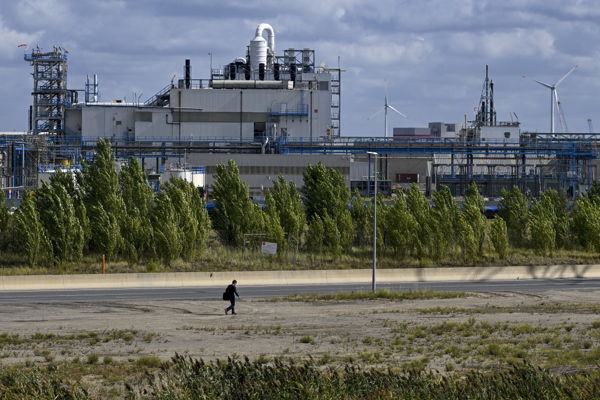
Zwijndrecht, Belgium – A landmark civil case involving approximately 1,400 residents commenced on Tuesday, seeking compensation from chemical company 3M Belgium over widespread PFAS contamination in the area surrounding the company’s Zwijndrecht facility. The plaintiffs are each seeking a preliminary payment of €20,000, citing concerns about potential health impacts stemming from the persistent “forever chemicals” found in the local environment. This legal action underscores growing global anxieties surrounding PFAS, or per- and polyfluoroalkyl substances, and their potential long-term effects on human health, and ecosystems.
The contamination came to light during excavation work for the Oosterweel connection, a major project forming part of the Antwerp ring road. These construction activities revealed significant PFAS levels in the soil around the 3M plant. PFAS are a group of man-made chemicals known for their resistance to heat, water, and oil, leading to their widespread apply in various industrial and consumer products. However, this very stability also means they don’t break down easily in the environment, earning them the moniker “forever chemicals.” Exposure to PFAS has been linked to a range of health problems, including immune deficiencies, certain cancers, and developmental issues. The case highlights the complex challenges of addressing legacy pollution and protecting public health in industrialized areas.
One family, residing approximately one kilometer from the 3M plant with two children, initiated the legal proceedings in 2023 after discovering elevated PFAS levels in their blood and within their vegetable garden. They argued that 3M’s operations constituted an “excessive nuisance” under Belgian civil law, entitling them to compensation. The initial ruling by the peace court in Zwijndrecht sided with the family, awarding a preliminary compensation of €2,000 – or €500 per family member – acknowledging the excessive nuisance caused by the factory. This initial amount is considered provisional, recognizing that the full extent of the damage may not be known for years. The proceedings have now been resumed to determine the final compensation amount.
The Scope of the PFAS Contamination and 3M’s Response
The situation in Zwijndrecht is not an isolated incident. PFAS contamination has turn into a global concern, with communities worldwide grappling with the consequences of decades of industrial use and disposal. 3M, a multinational conglomerate, has been a major manufacturer of PFAS for many years. The company announced in 2000 that it would proactively phase out the production of perfluorooctanoic acid (PFOA) and perfluorooctanesulfonic acid (PFOS), two of the most widely studied and problematic PFAS compounds. 3M Belgium is currently undertaking a soil remediation project, approved by the Flemish environmental agency OVAM, to address the historical PFAS contamination around its Zwijndrecht site.
However, concerns persist regarding the broader range of PFAS compounds and their continued presence in the environment. In September 2023, environmental regulators in Belgium detected “illegal” PFAS emissions from the Zwijndrecht facility, prompting 3M to pause all PFAS manufacturing processes at the plant. Manufacturing Dive reported that this pause could disrupt supply chains for businesses reliant on the Zwijndrecht plant for PFAS-based materials. 3M has stated it is evaluating whether to temporarily or permanently cease PFAS production at the site, as it plans a complete phase-out of PFAS manufacturing globally by the end of 2025. According to 3M, PFAS-related production activities at the Zwijndrecht site were already terminated by the end of 2024.
Health Concerns and the Science of PFAS
The health risks associated with PFAS exposure are a major driver of the legal action in Zwijndrecht and similar cases around the world. PFAS do not readily accumulate in the body, but they can persist for extended periods. Exposure pathways include contaminated drinking water, food, air, and consumer products. The U.S. Environmental Protection Agency (EPA) has established health advisory levels for several PFAS compounds, and is currently working on establishing legally enforceable national drinking water standards. The EPA’s actions reflect a growing understanding of the potential health effects, even at low levels of exposure.
Research has linked PFAS exposure to a variety of adverse health outcomes. These include increased cholesterol levels, immune system suppression, thyroid hormone disruption, liver enzyme changes, and certain types of cancer, including kidney and testicular cancer. Pregnant women and young children are considered particularly vulnerable to the effects of PFAS, as these chemicals can interfere with normal development. The long-term health consequences of PFAS exposure are still being studied, and the full extent of the risks remains uncertain. The European Food Safety Authority (EFSA) has also been actively assessing the risks of PFAS in the food chain, and has identified several PFAS as posing a health concern.
Legal and Regulatory Landscape
The case in Zwijndrecht is part of a broader trend of legal challenges against companies responsible for PFAS contamination. Similar lawsuits have been filed in the United States, where thousands of individuals are seeking compensation for health damages linked to PFAS exposure. These legal battles are forcing companies to confront the costs of legacy pollution and to accept greater responsibility for the environmental and health impacts of their products. The legal concept of “excessive nuisance,” as invoked in the Zwijndrecht case, is a common basis for these claims, arguing that the company’s activities unreasonably interfere with the rights of nearby residents to enjoy their property and health.
Regulatory efforts to address PFAS contamination are also intensifying. In addition to the EPA’s actions in the United States, the European Union is developing stricter regulations on PFAS, including potential restrictions on their use and requirements for remediation of contaminated sites. The EU’s proposed regulations aim to phase out non-essential uses of PFAS and to ensure that any remaining uses are subject to strict controls. The Flemish government in Belgium is also actively involved in monitoring and remediating PFAS contamination, working with 3M and other stakeholders to address the issue. 3M Belgium states it is committed to working with stakeholders to advance remediation efforts in Zwijndrecht and surrounding areas.
Ongoing Monitoring and Future Steps
The legal proceedings in Zwijndrecht are expected to continue for some time, as the court assesses the extent of the damages and determines the appropriate level of compensation for the plaintiffs. Ongoing monitoring of PFAS levels in the environment will be crucial to track the effectiveness of remediation efforts and to identify any new sources of contamination. Further research is also needed to better understand the long-term health effects of PFAS exposure and to develop effective strategies for preventing future contamination. The case serves as a stark reminder of the enduring challenges posed by persistent environmental pollutants and the importance of proactive measures to protect public health.
The next key step in the legal process is a hearing scheduled for [date to be determined by the court], where experts will present evidence regarding the health impacts of PFAS and the extent of the contamination in Zwijndrecht. Residents and concerned citizens can stay informed about the case and related developments through updates from local news sources and the Flemish environmental agency, OVAM. The outcome of this case could have significant implications for other communities facing PFAS contamination and for the future regulation of these chemicals.
What are your thoughts on the 3M PFAS lawsuit? Share your comments below, and please share this article with your network to raise awareness about the dangers of PFAS contamination.
Worth a look