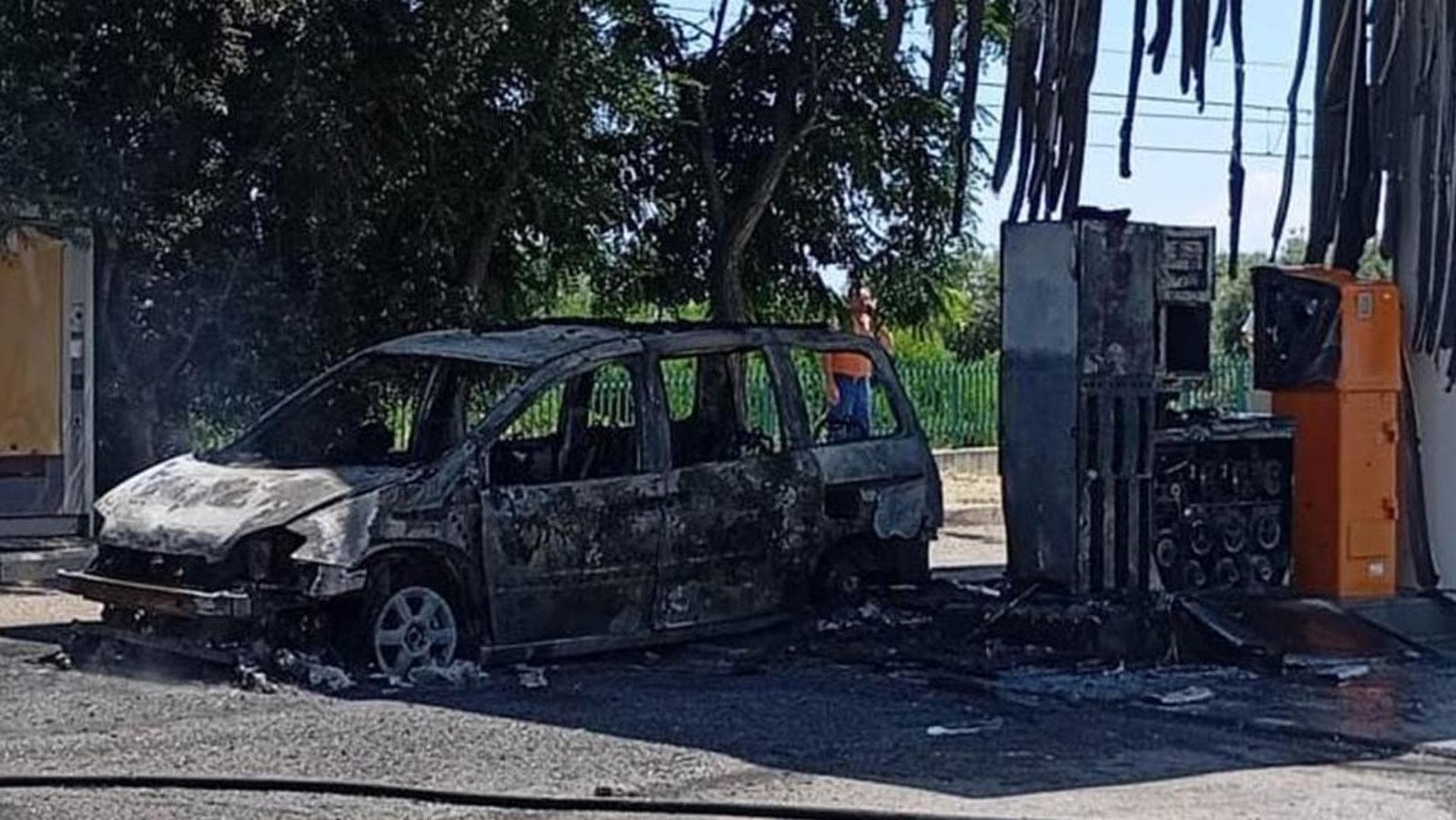
London, June 1, 2026 — Italian authorities in Calabria are investigating the discovery of four charred bodies found inside a vehicle near the coastal town of Amendolara, with prosecutors formally opening a probe into possible homicide. The case, which has drawn national attention, underscores ongoing challenges related to migrant smuggling and organized crime in southern Italy, where such incidents remain a persistent concern.
The remains were discovered in the early hours of May 31, 2026, along a stretch of the SS 106 Jonica highway, a key route connecting Calabria to Sicily and the mainland. While initial reports suggested the individuals may have been migrants, local officials have not yet confirmed their identities or nationalities. The vehicle, partially burned, was found abandoned near a rural area outside Amendolara, a municipality in the province of Cosenza. Fire investigators are examining whether the blaze was accidental or deliberately set.
Prosecutors from the Direzione Investigativa Antimafia (DIA), Italy’s anti-mafia agency, are coordinating with local law enforcement, including the Carabinieri and regional police, to determine whether criminal networks—including those linked to organized crime—played a role in the incident. The DIA has previously investigated cases involving migrant trafficking and violence in Calabria, where smuggling routes remain active despite heightened border controls.
Note: Authorities have not released images of the scene or the vehicle pending the conclusion of forensic examinations.
Ongoing Investigation and Regional Context
As of June 1, prosecutors have not specified a motive for the incident, though preliminary findings suggest the vehicle may have been involved in illegal activities prior to the fire. The Cosenza Public Prosecutor’s Office confirmed to local media that the case is being treated as suspicious, with a focus on ruling out foul play. Forensic teams are analyzing the remains to determine cause of death, while digital evidence—such as phone records or vehicle tracking data—is being examined for clues.
Calabria, Italy’s “toe” jutting into the Mediterranean, has long been a flashpoint for migrant smuggling and related violence. In 2023 alone, the region saw a 30% increase in incidents linked to human trafficking, according to internal law enforcement reports. The area’s remote coastal villages, such as Amendolara, are often used as staging grounds for smugglers transporting migrants from North Africa to northern Europe. While most cases involve disappearances or abandoned vessels, the deliberate burning of a vehicle with occupants raises questions about whether the individuals were targeted or whether the fire was intended to obscure evidence.
Local residents and advocacy groups have expressed concern over the lack of transparency in such cases. “These tragedies happen in silence, far from the eyes of the media,” said Maria Rossi, a volunteer with SOS Méditerranée, an organization that rescues migrants at sea. “Families are left without answers and the cycle of impunity continues.” Rossi’s comments reflect broader frustrations over Italy’s handling of migrant-related crimes, where prosecutions often stall due to witness intimidation or lack of evidence.
Legal and Operational Challenges
The investigation faces significant hurdles, including the difficulty of identifying the victims—many of whom may lack official documentation—and the potential involvement of organized crime syndicates. Calabria’s ‘Ndrangheta, one of Europe’s most powerful mafia groups, has historically controlled smuggling routes and is known to eliminate witnesses or rivals through targeted violence. While no direct links to the ‘Ndrangheta have been established in this case, prosecutors are scrutinizing financial transactions and known smuggling networks in the region.
Italian law enforcement has increased patrols along the SS 106 corridor in recent months, but critics argue that resources remain insufficient to combat the scale of illegal activity. The Italian Police (Polizia di Stato) reported a 15% rise in migrant-related arrests in Calabria between January and April 2026, though smuggler networks continue to adapt, using encrypted communications and corrupt local officials to evade detection.
International and Humanitarian Dimensions
The case also highlights the broader humanitarian crisis in the Mediterranean, where thousands of migrants risk their lives attempting to reach Europe each year. The International Organization for Migration (IOM) reported that over 1,200 migrants died or went missing in the Mediterranean in 2025, with Calabria serving as a critical transit point. Human rights organizations have condemned Italy’s pushback policies, which often result in migrants being returned to dangerous conditions in Libya or Tunisia.
“This tragedy is not an isolated event but part of a systemic failure to protect vulnerable lives,” said Filippo Grandi, the UN High Commissioner for Refugees, in a statement last month. “States must prioritize search and rescue operations and ensure accountability for those responsible for such atrocities.” While Italy has faced criticism for its border policies, the current investigation does not appear to target state actors but rather focuses on criminal networks exploiting migrant routes.
Next Steps and Public Updates
Prosecutors have not set a timeline for releasing further details, but a press conference is expected within the next 48 hours to address public concerns and outline investigative priorities. In the meantime, the Italian media is monitoring the case closely, with live updates from local outlets in Cosenza. Families of the victims, if identified, will be notified through consular channels or migrant support organizations.
For those seeking official updates, the following resources are available:
- Cosenza Public Prosecutor’s Office (press releases and statements)
- Carabinieri Command (operational updates)
- Calabria Police Headquarters (safety advisories)
- SOS Méditerranée (humanitarian support)
Key Takeaways
- Ongoing Probe: Authorities are investigating whether the fire was accidental or deliberate, with homicide as a primary suspect.
- Organized Crime Links: The DIA and Carabinieri are examining possible ties to smuggling networks, including the ‘Ndrangheta.
- Humanitarian Context: Calabria remains a critical route for migrants, with high risks of exploitation and violence.
- Legal Challenges: Identifying victims and securing evidence in remote areas complicates prosecutions.
- Public Concern: Advocacy groups are calling for greater transparency and accountability in migrant-related deaths.
As the investigation unfolds, questions remain about the broader failures that allow such tragedies to occur. While authorities work to uncover the truth, families and communities in Calabria are left grappling with loss—and the unanswered question of why justice often eludes them.
This article will be updated as new information becomes available. For further inquiries, contact the World Today Journal news desk at [email protected].
Keep reading