Post-Workout Inflammation: Why Doctors Now Warn Against NSAIDs—and What to Take Instead
For decades, athletes and fitness enthusiasts have turned to nonsteroidal anti-inflammatory drugs (NSAIDs) like ibuprofen or aspirin after intense workouts, believing they could reduce muscle soreness and speed recovery. But a growing body of research—and now official medical guidelines—suggests this common practice may do more harm than good. Leading sports medicine organizations, including those advising elite basketball players, are now recommending against NSAIDs post-exercise, citing evidence that they can impair muscle adaptation, delay healing, and even increase injury risk over time.
The shift reflects a deeper understanding of how inflammation works in the body. Far from being an enemy to suppress, acute post-exercise inflammation is now recognized as a critical part of the recovery process, helping repair muscle tissue and build strength. “We used to think inflammation was the problem,” says Dr. Robert Sallis, a family physician and sports medicine expert, in recent interviews. “Now we know it’s part of the solution—when managed properly.”
This article explores the science behind the new recommendations, the risks of over-reliance on NSAIDs, and evidence-based alternatives that support recovery without stifling the body’s natural healing mechanisms. As the 2026 NBA playoffs highlight the physical toll of professional basketball, we’ll also examine how top athletes are adapting their recovery strategies—and what everyday exercisers can learn from them.
The 2026 NBA playoffs are underway, with teams pushing through grueling schedules. But new research suggests that post-game NSAID use—still common among players—may undermine long-term performance gains. Follow the series here.
Why the Warning Against NSAIDs?
NSAIDs work by blocking cyclooxygenase (COX) enzymes, which reduce prostaglandins—the chemicals that trigger inflammation, pain, and fever. While effective for acute conditions like sprains or arthritis, their role in post-exercise recovery is increasingly questioned. Key concerns include:
- Impaired muscle repair: Inflammation after exercise signals the body to initiate protein synthesis and satellite cell activation—critical for muscle growth. NSAIDs may blunt this response, according to a 2020 study in the Journal of the International Society of Sports Nutrition, potentially reducing long-term strength gains by up to 20%.
- Delayed tendon and ligament healing: Research published in Scientific Reports (2018) found that NSAIDs can slow collagen remodeling in tendons, increasing the risk of chronic injuries like Achilles tendinopathy.
- Cardiovascular risks: Regular NSAID use is linked to higher blood pressure and kidney strain, particularly in athletes who combine high-intensity training with supplements like creatine. The American Journal of Cardiology warns that even short-term use post-workout may elevate these risks.
Perhaps most critically, NSAIDs mask symptoms rather than addressing the underlying cause of soreness. “Pain is your body’s way of saying, ‘I need to adapt,’” explains Dr. Jordan Metzl, a sports medicine physician at Hospital for Special Surgery. “By numbing it, you’re missing the opportunity to strengthen those tissues.”
What Doctors Recommend Instead
The alternative approach focuses on active recovery—strategies that support the body’s natural inflammatory response while minimizing damage. Leading guidelines now emphasize:
1. Movement and Mobility
Gentle activity like walking, swimming, or yoga increases blood flow to sore muscles, delivering nutrients and oxygen that aid repair. A 2015 meta-analysis in Sports Medicine found that light exercise post-workout reduced soreness by 30% compared to rest alone.
2. Cold Therapy (With Caution)
Ice baths or contrast therapy (alternating hot and cold) can reduce acute swelling, but evidence suggests they should be used selectively. The Cochrane Review (2019) notes that cold therapy may help with joint inflammation but offers limited benefit for muscle recovery. Overuse can also numb nerve endings, delaying sensory feedback that helps prevent overuse injuries.
3. Anti-Inflammatory Nutrition
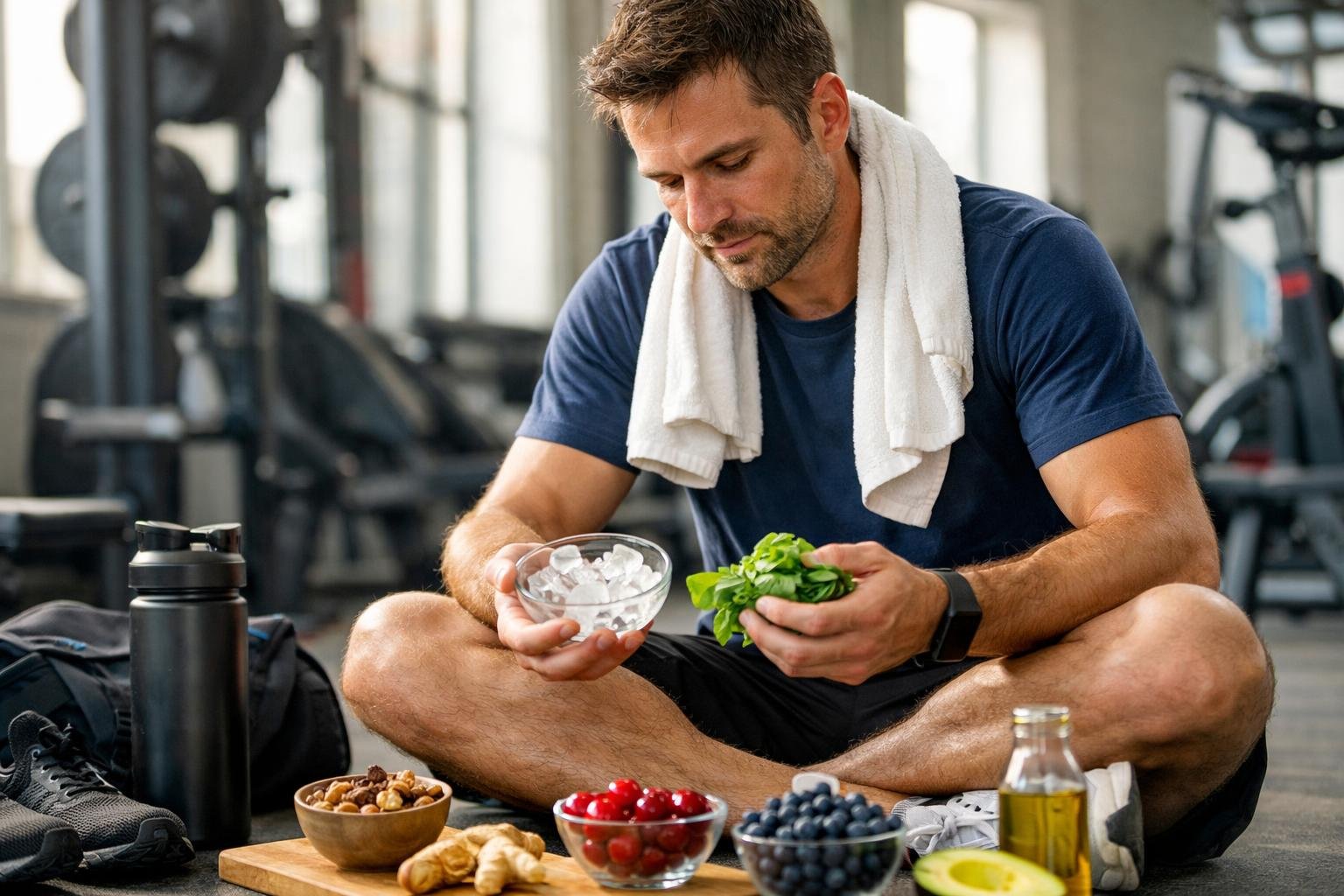
Foods rich in omega-3 fatty acids (salmon, walnuts, flaxseeds), antioxidants (berries, leafy greens), and turmeric have been shown to modulate inflammation without the side effects of NSAIDs. A 2017 study in Nutrients demonstrated that athletes consuming omega-3 supplements experienced 25% less muscle soreness after resistance training.
4. Targeted Supplementation
Certain supplements may support recovery without interfering with inflammation:
- Curcumin: The active compound in turmeric, shown in clinical trials to reduce exercise-induced inflammation by up to 40%.
- Quercetin: A flavonoid found in apples and onions that may reduce oxidative stress post-exercise (2017 study).
- Collagen peptides: May improve tendon and ligament resilience (2019 review).
5. Strategic Rest and Sleep
Muscle repair primarily occurs during sleep, when growth hormone levels peak. Studies consistently show that athletes who prioritize 7–9 hours of sleep recover faster and perform better. The National Sleep Foundation emphasizes that even a single night of poor sleep can reduce muscle protein synthesis by 30%.
How Elite Athletes Are Adapting
Top-tier athletes, including NBA players, are increasingly adopting these evidence-based recovery protocols. Teams like the Golden State Warriors and Milwaukee Bucks have integrated sports science into their training programs, with physiologists monitoring inflammation biomarkers like CRP (C-reactive protein) and IL-6 (interleukin-6) to guide recovery strategies.
During the 2026 NBA playoffs, for example, players are reported to be using a combination of:
- Post-game mobility sessions led by physical therapists.
- Cold-water immersion for acute joint inflammation (e.g., after landing hard).
- Personalized nutrition plans with anti-inflammatory focus.
- Sleep optimization, including blackout curtains and white-noise machines in locker rooms.
While NSAIDs are still used in some locker rooms for acute injuries (e.g., ankle sprains), their post-workout use is being phased out. “We’ve seen a cultural shift,” says Dr. Tim Hewett, director of the National Sports Medicine Institute. “Players now understand that soreness is part of getting stronger—and that popping a pill isn’t the answer.”
What This Means for Everyday Athletes
For recreational exercisers, the takeaway is clear: NSAIDs should not be a first-line recovery tool. Instead, focus on:
- Listen to your body: Mild soreness is normal; sharp pain or swelling may warrant medical attention.
- Prioritize movement: Even a 10-minute walk after a workout can enhance recovery.
- Fuel smart: Post-workout meals should include protein (e.g., chicken, tofu) and complex carbs (e.g., sweet potatoes) to replenish glycogen.
- Sleep as part of training: Treat sleep duration and quality as seriously as your workout intensity.
- Consider supplements: Consult a sports dietitian before adding curcumin, quercetin, or collagen to your regimen.
If you do take NSAIDs occasionally, limit use to no more than 3 days per week and avoid them within 48 hours of intense training. Always check with a healthcare provider if you have underlying conditions like hypertension or kidney issues.
Key Takeaways
- Inflammation is beneficial: Post-exercise inflammation triggers muscle repair and adaptation.
- NSAIDs may hinder progress: They can reduce strength gains and delay healing over time.
- Active recovery works better: Movement, nutrition, and sleep support natural healing processes.
- Elite athletes are leading the shift: NBA teams and sports science programs now emphasize evidence-based recovery.
- Individualize your approach: What works for one athlete may not suit another—experiment under professional guidance.
What’s Next in Sports Medicine?
Researchers are exploring new frontiers in recovery science, including:
- Biomarker monitoring: Wearable devices that track inflammation markers (e.g., CRP, myoglobin) to personalize recovery strategies.
- Exosome therapy: Experimental treatments using stem cell-derived exosomes to accelerate tissue repair (early-stage studies).
- Microdosing anti-inflammatories: Some researchers are investigating whether low-dose NSAIDs (e.g., 100mg ibuprofen) might offer benefits without the downsides—but this remains controversial.

The next major checkpoint in this evolving field will be the 2026 International Society of Sports Nutrition (ISSN) Conference, scheduled for October 15–18 in Berlin. Attendees can expect updates on:
- New guidelines for post-exercise supplementation.
- Advances in non-pharmacological pain management for athletes.
- Longitudinal studies on NSAID use in adolescent athletes.
In the meantime, athletes at all levels are encouraged to collaborate with sports medicine professionals to tailor recovery protocols. “The goal isn’t to eliminate discomfort entirely,” says Dr. Metzl. “It’s to harness it as part of the process of becoming stronger, faster, and more resilient.”
Your Turn: Share Your Experience
Have you tried alternative recovery methods? What works best for you? Join the conversation below or share this article with fellow fitness enthusiasts. For more on sports medicine innovations, explore our Health & Fitness section.
Related reading