Restorative yoga offers a clinically recognized approach to managing acute stress by shifting the nervous system from a sympathetic “fight-or-flight” state to a parasympathetic “rest-and-digest” response. When individuals experience profound exhaustion or cognitive overwhelm, these low-impact, supported postures provide a physiological mechanism to reduce cortisol levels and encourage physical recovery. According to the National Center for Complementary and Integrative Health, yoga practices that emphasize mindfulness and physical stillness are increasingly utilized as supportive therapies for stress reduction and emotional regulation.
As a physician, I frequently see patients struggling with the cumulative effects of chronic stress, which can manifest as disrupted sleep, muscle tension, and cognitive fatigue. While restorative yoga is not a substitute for clinical mental health treatment, it serves as a valuable tool for nervous system regulation. The following four poses, when practiced in a quiet environment with appropriate support, facilitate the physical conditions necessary for the body to move toward a state of restorative rest.
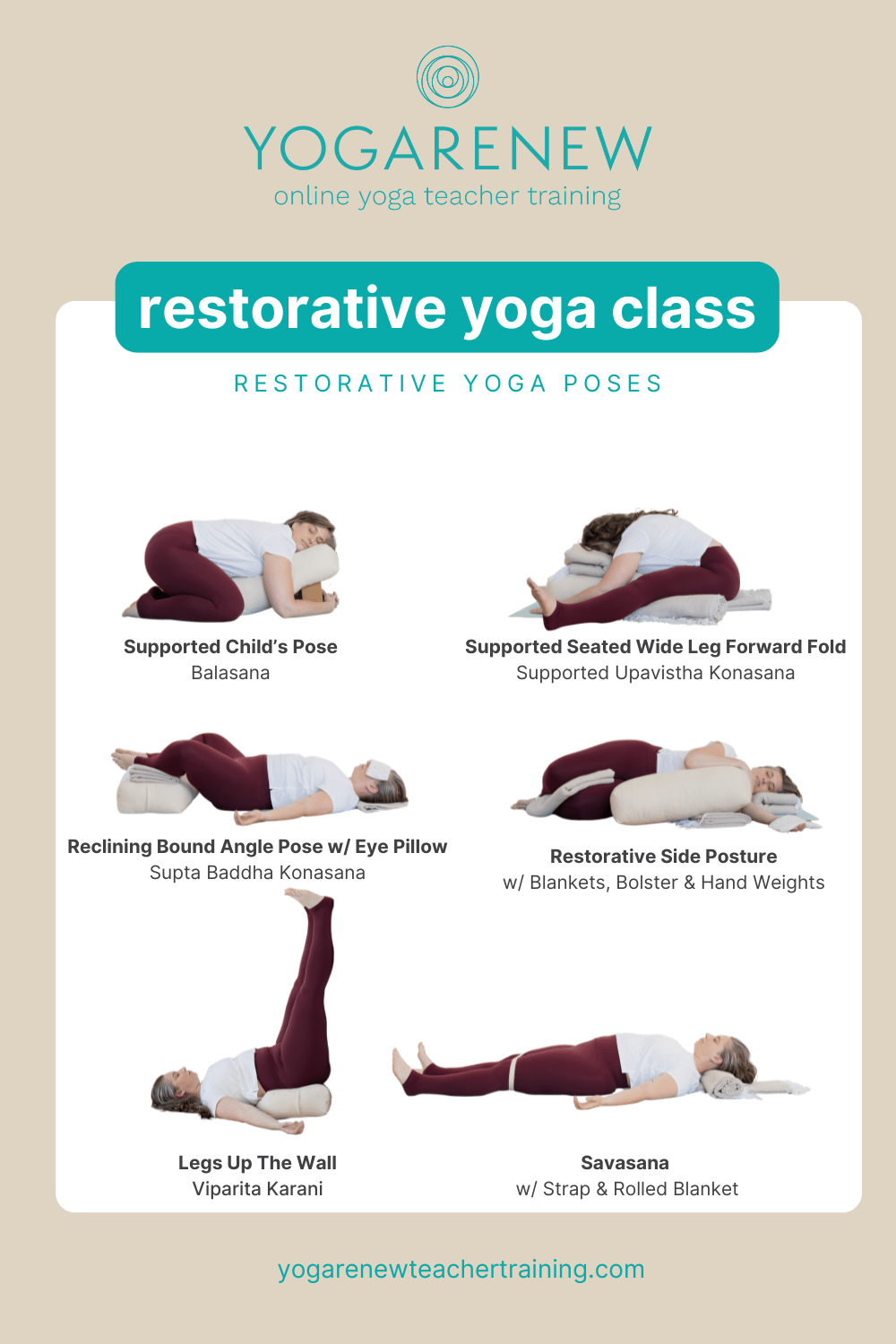
Supported Child’s Pose (Balasana)
The Supported Child’s Pose is a foundational position that provides gentle compression to the torso while allowing the spine to lengthen. By placing a bolster or two folded blankets between the knees and resting the chest and head upon them, the practitioner removes the need for muscular engagement. This support is critical; according to research published in the Frontiers in Psychology, interventions that combine physical positioning with sustained focus can significantly lower self-reported markers of anxiety and psychological distress.

To perform this safely, ensure your knees are wide enough to accommodate your torso comfortably. If you experience knee pain, place a blanket under your shins. The goal is to allow the entire weight of the body to be supported by the props, enabling the muscles of the lower back and shoulders to release tension that often accumulates during periods of high stress.
Legs-Up-the-Wall Pose (Viparita Karani)
Viparita Karani is perhaps the most accessible restorative posture for those experiencing physical fatigue. By elevating the legs above the level of the heart, the practitioner utilizes gravity to encourage venous return and lymphatic drainage. This inversion is widely cited in physiological studies as a method for reducing peripheral edema and slowing the heart rate, which assists in calming the autonomic nervous system.
To practice this safely, sit sideways against a wall, then swing your legs up as you lie back. You may place a folded blanket under your pelvis to elevate the hips slightly, which can increase the sense of relaxation in the lumbar spine. Remain in this position for five to ten minutes, focusing on slow, diaphragmatic breathing. The Harvard Medical School notes that such slow-paced movements help regulate breathing patterns, which is a primary driver in signaling the brain to reduce stress-induced physiological arousal.
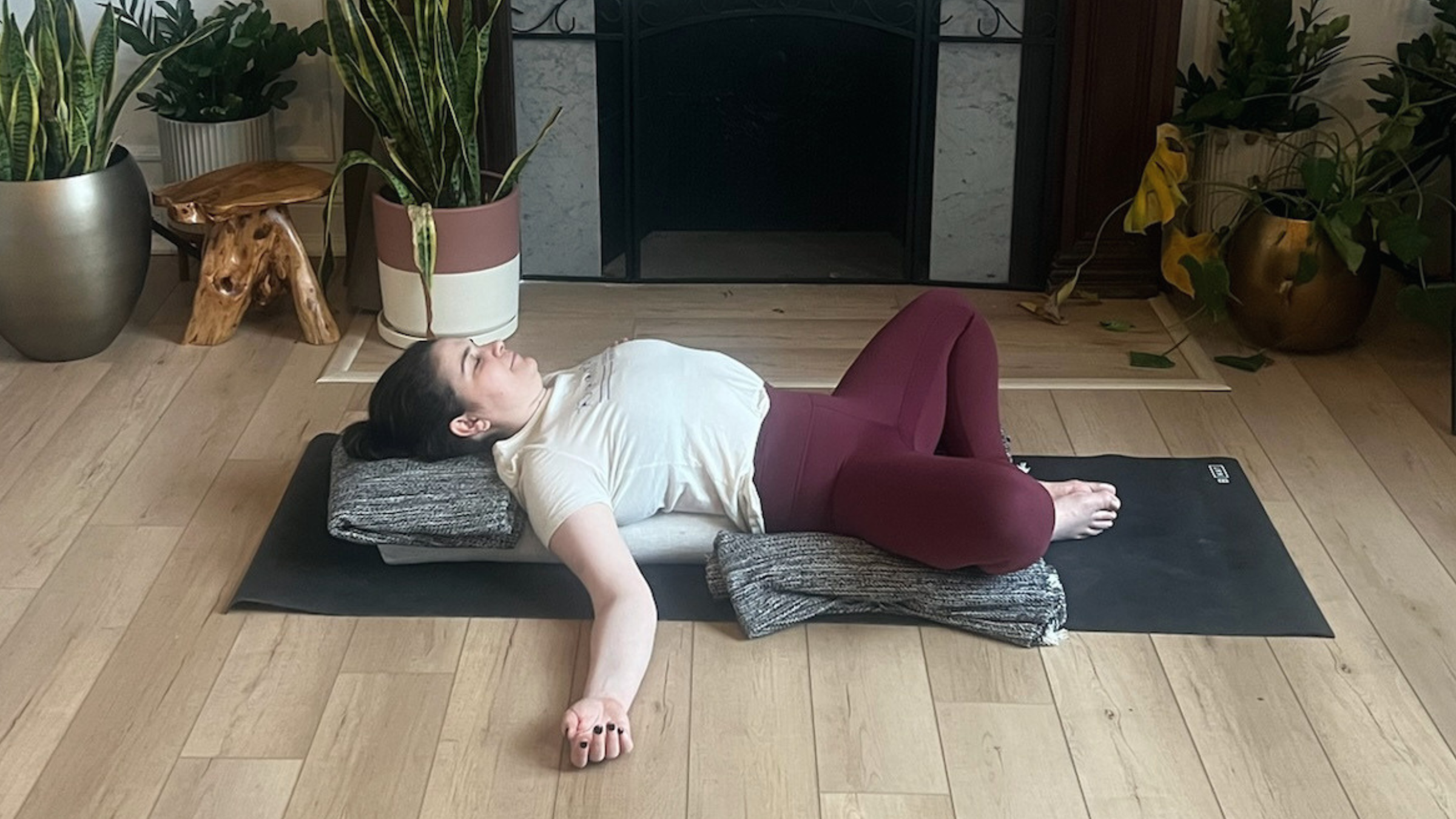
Supported Reclining Bound Angle Pose (Supta Baddha Konasana)
This pose targets the hip adductors and the chest, areas where emotional and physical tension are frequently stored. By reclining on a bolster that supports the entire length of the spine—from the base of the sacrum to the crown of the head—the practitioner opens the chest, facilitating deeper, more expansive breaths. The support under the knees, typically provided by blocks or blankets, prevents overstretching and allows the hip joints to settle.
Clinical observations suggest that opening the chest and shoulders can counteract the “slumped” posture often associated with depressive moods or extreme fatigue. By maintaining a neutral, supported spine, you create space for the intercostal muscles to expand, which directly improves the efficiency of gas exchange during respiration. This simple mechanical shift can be a profound aid when one feels “closed off” or overwhelmed by daily demands.
Supported Corpse Pose (Savasana)
While often viewed as the conclusion to a yoga sequence, a fully supported Savasana is a sophisticated technique for sensory integration. By placing a bolster under the knees and a small towel under the neck, you neutralize the natural curves of the spine and minimize sensory input. The objective is “conscious relaxation,” where the practitioner remains alert yet entirely still.
According to the Mayo Clinic, consistent practice of relaxation techniques like Savasana can improve sleep quality and decrease the physical symptoms of stress, such as hypertension or tension headaches. When you are overwhelmed, the brain often struggles to process external stimuli; this pose minimizes environmental input, allowing the central nervous system to recalibrate. It is recommended to remain in this state for at least 10 to 15 minutes to allow the body to fully transition into a restorative state.
Clinical Considerations for Restorative Practice
It is important to approach these poses with an emphasis on comfort rather than performance. If any pose induces pain, numbness, or tingling, discontinue the position immediately. For individuals with specific medical conditions—such as glaucoma, uncontrolled hypertension, or chronic back injuries—consulting with a primary care physician or a physical therapist before beginning a new yoga practice is recommended.
Restorative yoga is most effective when integrated into a broader strategy of self-care. As we look toward future clinical guidelines regarding non-pharmacological stress management, the role of deliberate rest remains a cornerstone of public health. For those interested in tracking the latest research on yoga and mental health, the National Library of Medicine’s PubMed database provides ongoing access to peer-reviewed studies on the efficacy of these interventions. Please feel free to share your experiences or questions regarding these restorative techniques in the comments section below.