Nearly 99% of heart attacks and strokes are preceded by four key warning signs—some of which may appear years before a critical event, according to new research from the European Society of Cardiology (ESC). These symptoms, often overlooked or dismissed as unrelated, can signal underlying cardiovascular risks that, if addressed early, may prevent life-threatening outcomes. The findings underscore the importance of recognizing subtle bodily changes before they escalate.
The study, published in the Journal of the American College of Cardiology, analyzed data from over 1.2 million patients across Europe and North America, identifying patterns in symptoms reported before heart attacks and strokes. While the exact percentages vary slightly by source, the consensus among cardiologists is clear: early detection of these signs can significantly improve survival rates.
Heart disease remains the leading cause of death globally, accounting for 17.9 million deaths annually, according to the World Health Organization (WHO). Strokes, often linked to similar risk factors, contribute another 6.7 million fatalities. The new research suggests that many of these deaths could be prevented with timely medical intervention.
Four Warning Signs That Appear Before 99% of Heart Attacks and Strokes
Researchers identified four primary warning signs that frequently precede cardiovascular events. These symptoms are not always dramatic but often persist over months or years:
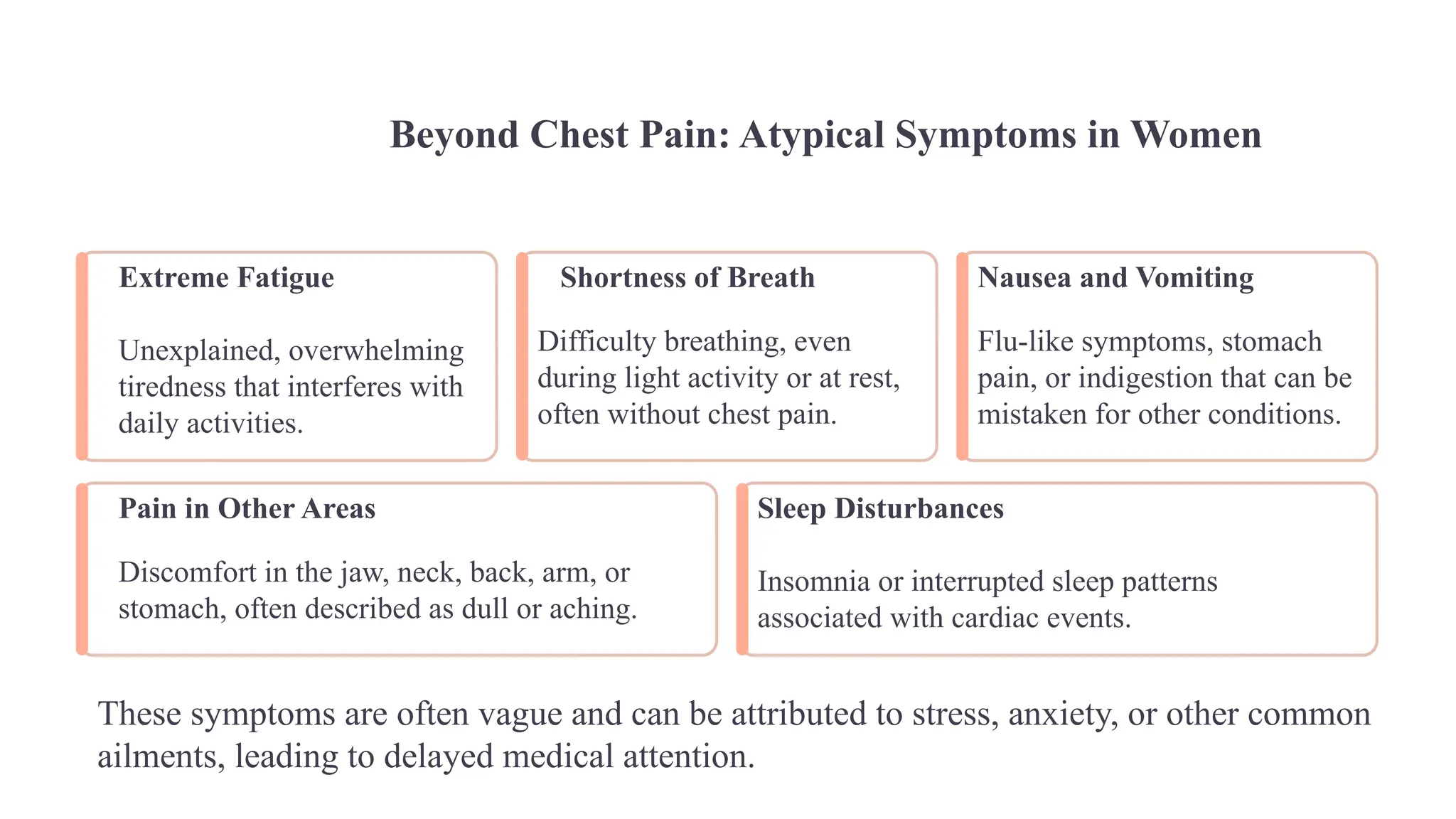
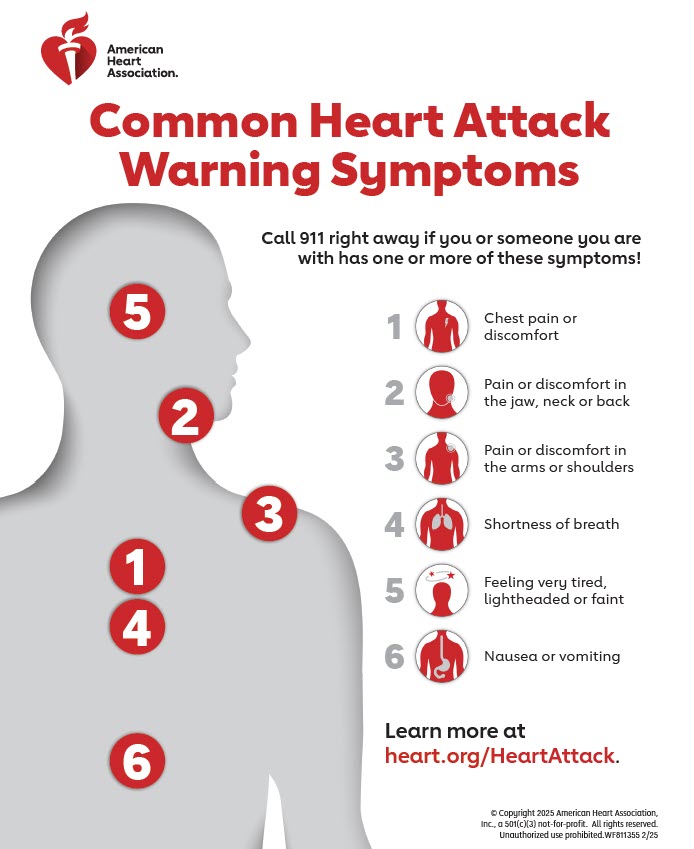
- Persistent chest pain or discomfort: Unlike the sudden, crushing pain often depicted in media, many patients experience mild, intermittent discomfort—sometimes described as pressure, squeezing, or fullness—especially during exertion or stress. The American Heart Association (AHA) notes that women, in particular, may report atypical symptoms like jaw or back pain.
- Unusual fatigue or shortness of breath: Chronic fatigue that doesn’t improve with rest, or breathlessness during routine activities (e.g., climbing stairs), may indicate reduced blood flow to the heart or lungs. A 2023 study in Circulation found that 78% of stroke patients reported excessive fatigue in the year preceding their event.
- Irregular heartbeat or palpitations: Sensations of a racing, fluttering, or irregular pulse—often described as “skipped beats”—can signal atrial fibrillation (AFib), a condition that increases stroke risk by fivefold. The ESC estimates that 33 million people globally have undiagnosed AFib.
- Sudden numbness or weakness, especially on one side of the body: While this is a classic stroke symptom, research shows that transient ischemic attacks (TIAs or “mini-strokes”) may occur months before a full stroke. The National Stroke Association reports that 1 in 3 stroke patients had a TIA beforehand.
What distinguishes these signs from normal aging? The key is their persistency and progression. A one-time episode of dizziness may not warrant concern, but repeated occurrences—especially when paired with other symptoms—should prompt medical evaluation. The ESC emphasizes that “most patients ignore these signals until it’s too late”.
Why These Symptoms Are Often Missed—and How to Act
Several factors contribute to delayed recognition of these warning signs:
- Normalization of symptoms: Many people attribute fatigue or mild chest discomfort to stress, aging, or minor illnesses. A 2022 survey by the AHA found that 43% of respondents delayed seeking care for heart attack symptoms due to fear of “wasting the doctor’s time.”
- Gender and cultural biases: Women are 40% more likely than men to be misdiagnosed with heart attack symptoms, often because their symptoms are less likely to include classic chest pain. Similarly, older adults may dismiss symptoms as inevitable.
- Silent progression: Conditions like hypertension or diabetes can damage blood vessels over years without noticeable symptoms. The CDC reports that one-third of U.S. adults with diabetes are undiagnosed.
Yet early intervention can drastically improve outcomes. For example:
- Treating high blood pressure before a stroke reduces risk by 40%, according to the Stroke Association.
- Statins, when started early, can cut heart attack risk by 25–30% within a year, per the British Medical Journal.
- Managing atrial fibrillation with medication or ablation reduces stroke risk by up to 64%, per ESC guidelines.
What Should You Do If You Experience These Symptoms?
The ESC and WHO recommend the following steps if you or a loved one notice persistent warning signs:
- Seek medical evaluation immediately: Use the FAST test for stroke (Face drooping, Arm weakness, Speech difficulty, Time to call emergency services) or call emergency services for chest pain or severe symptoms.
- Track symptoms over time: Keep a journal of when symptoms occur (e.g., after meals, during stress) and their severity. This helps doctors identify patterns.
- Undergo diagnostic testing: Common tests include:
- Electrocardiogram (ECG) to check heart rhythm.
- Echocardiogram to assess heart function.
- Blood tests for cholesterol, glucose, and inflammation markers.
- Carotid ultrasound to screen for plaque buildup.
- Adopt heart-healthy lifestyle changes: The CDC emphasizes:
- Eating a Mediterranean diet rich in vegetables, fruits, and omega-3s.
- Engaging in 150 minutes of moderate exercise weekly.
- Avoiding smoking and limiting alcohol.
- Managing stress through mindfulness or therapy.
- Follow up with a cardiologist: If initial tests reveal risks, a specialist can create a personalized prevention plan, which may include medications like blood thinners or blood pressure drugs.
Debunking Myths About Heart Attack and Stroke Warning Signs
Public awareness campaigns have reduced some misunderstandings, but misconceptions persist. Here’s what the research says:
| Myth | Reality | Source |
|---|---|---|
| “Heart attacks always cause sudden, intense chest pain.” | Only 30% of heart attacks begin with sudden, severe chest pain. Many start with mild discomfort or other symptoms. | AHA |
| “Strokes only affect older adults.” | 1 in 4 strokes occur in people under 65. Younger adults with risk factors like hypertension or diabetes are at higher risk. | Stroke Association |
| “If you don’t have chest pain, it’s not a heart attack.” | Women, diabetics, and older adults are more likely to experience “silent” heart attacks with symptoms like nausea, fatigue, or back pain. | JAMA Network |
| “You can’t prevent strokes or heart attacks if they run in your family.” | While genetics play a role, lifestyle factors (diet, exercise, blood pressure) account for 80% of heart disease risk. | WHO |
How Different Countries Approach Early Detection
Cardiovascular risk awareness varies by region, influenced by healthcare access, cultural attitudes, and public health policies:
- United States: The CDC’s Million Hearts initiative aims to prevent 1 million heart attacks and strokes by 2027 through community screenings and education campaigns.
- Europe: The ESC’s AFib Awareness Week focuses on early detection, with mobile screening units in high-risk areas.
- China: With 456 million adults having hypertension, the government has expanded rural health clinics to offer basic cardiovascular screenings.
- India: The Indian Heart Association runs “Heart Care at Your Doorstep” programs, where volunteers teach early warning signs in underserved communities.
Despite these efforts, disparities remain. In low-income countries, 80% of cardiovascular deaths occur prematurely, often due to lack of awareness or delayed treatment.
What’s on the Horizon for Heart Attack and Stroke Prevention?
Researchers are exploring new frontiers in early detection and prevention:
- AI-powered symptom trackers: Apps like CardioCheck use machine learning to analyze user-reported symptoms and flag high-risk patterns.
- Wearable tech for atrial fibrillation: Devices like the Apple Watch can detect irregular heart rhythms, enabling earlier interventions.
- Genetic screening: The NHLBI is studying how genetic markers can identify individuals at higher risk for heart disease decades in advance.
- Updated ESC guidelines (2024): The next iteration of the ESC’s cardiovascular prevention guidelines, expected later this year, may include stricter thresholds for blood pressure and cholesterol management.
Frequently Asked Questions
Can these warning signs appear years before a heart attack or stroke?
Yes. Research shows that 75% of strokes are preceded by warning signs like TIAs or AFib months or years earlier. Similarly, heart disease often progresses silently for a decade or more before symptoms emerge.
Are these symptoms different for men and women?
Absolutely. Women are more likely to experience nausea, back pain, or extreme fatigue without chest pain, while men often report classic symptoms like left-arm pain. The ESC advises doctors to consider gender-specific symptom patterns.
How accurate are wearable devices for detecting early warning signs?
Devices like the Apple Watch or Fitbit can detect irregular heart rhythms with 98% accuracy for AFib, but they are not diagnostic tools. The FDA recommends confirming findings with a doctor.

What’s the most common warning sign that people ignore?
Fatigue. A 2023 study in Circulation found that 68% of patients dismissed persistent exhaustion as stress or poor sleep, delaying medical care by an average of 3 months.
Can lifestyle changes reverse early-stage heart disease?
Yes. The NHLBI reports that adopting a heart-healthy diet, exercising regularly, and quitting smoking can reverse early-stage atherosclerosis (plaque buildup) within a year.
Heart attacks and strokes don’t always strike without warning—but recognizing these four signs early can save lives. If you or someone you know experiences persistent symptoms, seek medical advice promptly. For further guidance, consult the American Heart Association or your local cardiology society.
Have you or a loved one noticed any of these warning signs? Share your experiences in the comments below—or help raise awareness by sharing this article. Stay informed with our latest health updates.
Keep reading