
Ukrainian drone strikes have dealt a “significant blow” to Russia’s war economy in recent weeks, according to Western military analysts, as Kyiv shifts focus from frontline battles to crippling Moscow’s ability to sustain its military campaign. The attacks, which include precision strikes on logistics hubs, arms depots, and energy infrastructure, mark a strategic pivot aimed at undermining Russia’s ability to replenish frontline forces and maintain domestic morale. While Russian officials have downplayed the impact, independent assessments suggest the campaign is forcing Moscow to divert resources from active combat zones.
In a coordinated series of strikes over the past month, Ukrainian forces—backed by Western intelligence and drone technology—have targeted at least three major logistics nodes in southern Russia, including facilities near Rostov-on-Don and Krasnodar. The strikes have disrupted the movement of troops, ammunition, and fuel—critical components of Russia’s war machine—as Ukraine seeks to exploit Moscow’s overstretched supply chains. Meanwhile, energy infrastructure in occupied Ukrainian regions has also come under fire, raising concerns about Russia’s ability to maintain control over captured territories.
Russian President Vladimir Putin has dismissed the strikes as “isolated incidents,” but Western intelligence reports suggest they are part of a broader, methodically planned campaign. The Institute for the Study of War (ISW) noted in its May 20 assessment that Ukraine’s drone warfare has “increased the cost of Russia’s occupation” by forcing Moscow to allocate additional resources to defense and countermeasures. “This is not just about destroying equipment—it’s about creating uncertainty in Russia’s rear areas,” said a NATO official, speaking on condition of anonymity.
Why Ukraine’s Drone Campaign Targets Russia’s War Economy
Ukraine’s strategy hinges on three key vulnerabilities in Russia’s war economy:
- Logistics Overload: Russia’s military relies on a network of rail hubs and road corridors to transport troops and supplies to the front. Ukrainian strikes on these nodes—such as the May 15 attack on a rail depot in Belgorod—force Moscow to reroute convoys, slowing deployments and increasing exposure to further strikes.
- Energy Dependence: Strikes on power grids in occupied Ukrainian regions, such as Kherson and Zaporizhzhia, aim to destabilize Russia’s control by cutting off civilian infrastructure. The Financial Times reports that these attacks have disrupted Russian efforts to integrate occupied territories into its domestic energy grid.
- Morale and Domestic Pressure: By targeting high-profile military sites—such as the Krymsk airbase in Krasnodar—Ukraine seeks to erode public confidence in Russia’s ability to protect its own territory. The Reuters analysis suggests these strikes are designed to “provoke a domestic backlash against the war,” a tactic that has gained traction as Russia faces economic sanctions and labor shortages.
Ukrainian President Volodymyr Zelenskyy reiterated this week that the campaign is part of a “long-term strategy” to weaken Russia’s war effort. “We are not just fighting on the battlefield—we are targeting the very foundations of Russia’s ability to wage war,” he stated in a speech to the Ukrainian people on May 20. While Kyiv has not disclosed the full extent of its drone capabilities, ISW reports indicate the use of Western-supplied Bayraktar TB3 drones and indigenous designs, such as the Lancet loitering munitions.
Russia’s Response: Defenses Under Strain
Moscow has accelerated efforts to counter Ukraine’s drone campaign, but analysts warn these measures are reactive rather than preventive. Russian air defense systems, already stretched thin by Ukraine’s artillery and missile strikes, are being redeployed to protect logistics hubs. However, the FT reports that these defenses are “notoriously inconsistent,” with some drones slipping through due to electronic warfare tactics employed by Ukrainian forces.
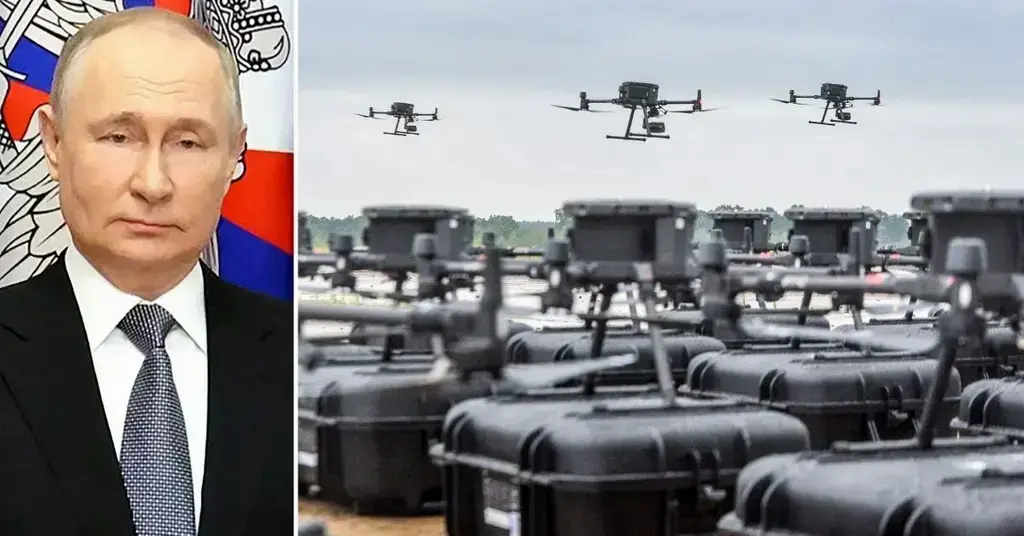
Russia has also mobilized additional air defense units in southern regions, but the ISW assesses that these deployments are “insufficient to fully mitigate the threat.” The Kremlin has avoided acknowledging direct losses, but satellite imagery analyzed by Bellingcat shows damage consistent with drone strikes at multiple locations.
Domestically, Russian state media has amplified narratives of Ukrainian “terrorism”, framing the strikes as evidence of Kyiv’s “desperation.” However, independent polling suggests these claims are failing to resonate with a population increasingly frustrated by prolonged mobilization and economic hardship.
What Happens Next: Ukraine’s Strategy and Russia’s Options
Ukrainian officials have signaled that the drone campaign will continue, with a focus on disrupting Russia’s 2024 military buildup. The ISW predicts that Kyiv will prioritize:
- Strikes on train depots and rail junctions to further disrupt troop movements.
- Targeting energy infrastructure in occupied territories to undermine Russia’s administrative control.
- Expanding attacks on Russian military research facilities, particularly those linked to drone countermeasures.
For Russia, the immediate challenge is balancing frontline demands with rear-area defense. The Kremlin’s options include:
- Accelerating domestic drone production, though quality and reliability remain concerns.
- Expanding electronic warfare capabilities to detect and neutralize incoming drones.
- Shifting resources from offensive operations in Ukraine to fortify rear areas, potentially slowing momentum on the battlefield.
Western military observers suggest that this strategic shift could prolong the war by forcing Russia to divert manpower and equipment from active combat zones. “Ukraine is not just fighting for territory—it’s fighting for time,” said a NATO intelligence official. “Every strike on Russia’s war economy is a step toward weakening its ability to sustain the conflict.”
Key Takeaways: The Broader Implications
This campaign underscores three critical dynamics in the Ukraine war:

- Asymmetric Warfare: Ukraine’s reliance on drones and precision strikes demonstrates how asymmetric tactics can counter conventional military advantages. Russia’s superior firepower is less effective against distributed, low-signature threats.
- Economic Leverage: By targeting logistics and energy, Ukraine is exploiting Russia’s economic vulnerabilities, particularly its dependence on centralized supply chains.
- Geopolitical Ripple Effects: The campaign may influence Western military aid discussions, as successes could justify further support for Ukraine’s drone programs.
The next critical checkpoint will be the June 14 NATO summit in Washington, where allies are expected to discuss long-term military assistance packages for Kyiv. Meanwhile, Ukraine’s drone campaign will likely intensify ahead of Russia’s planned summer offensive, with analysts warning that Moscow’s ability to execute large-scale operations may be increasingly constrained.
For readers seeking updates, the Ukrainian News Agency and Interfax provide real-time coverage of military developments. The Institute for the Study of War offers daily assessments of the conflict’s strategic dynamics.
We welcome your insights and questions on how this campaign may reshape the war’s trajectory. Share your thoughts in the comments below or on our contact page.
Worth a look